
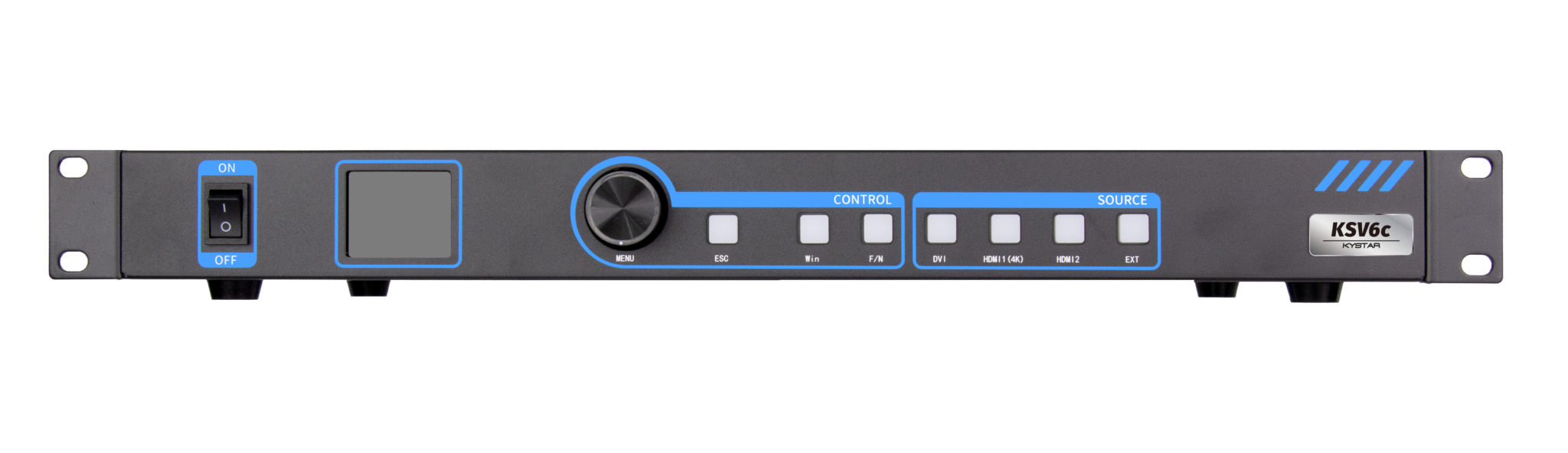
Opening comparison: why the receiving card decides the show
The stage belongs to the display—yet the receiving card often writes the script. When you stack two LED walls side by side, the difference between a seamless image and a distracting seam comes down to choices in receiving card architecture, synchronization, and how that board handles frame buffering. For broadcast-quality playback or dynamic signage, a robust LED video controller that supports stable refresh and accurate color mapping changes everything. This comparison-driven piece looks beyond specs on paper to the behaviors that matter in the field: latency, color consistency, and fault tolerance.
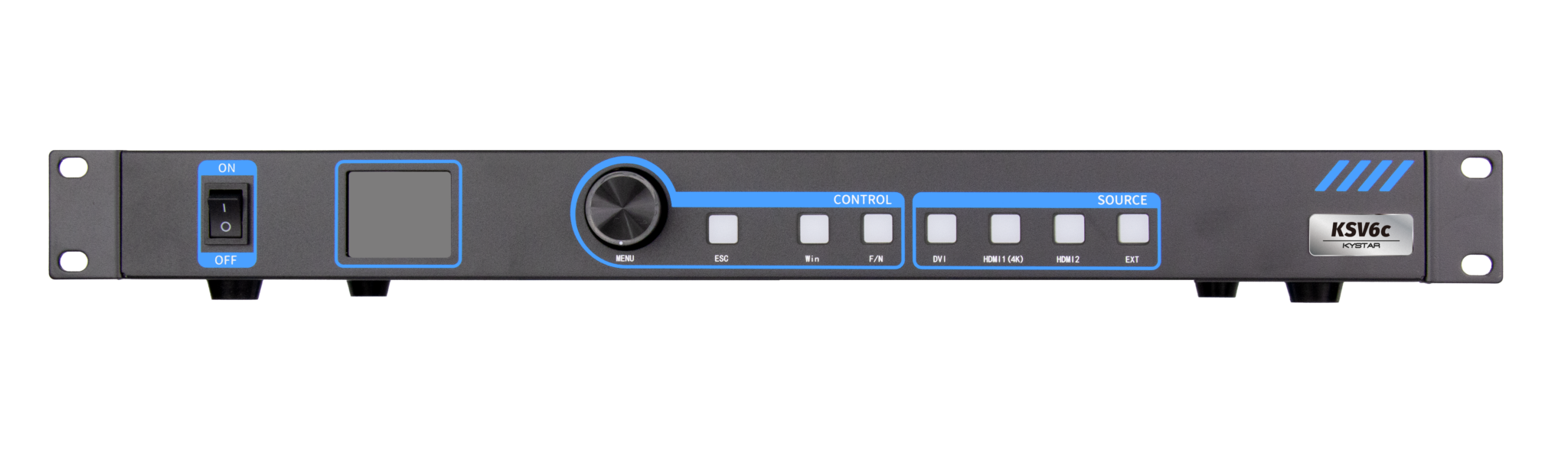
Where the main architectures diverge
Not all receiving card solutions are built the same. Broadly, you’ll see three approaches:
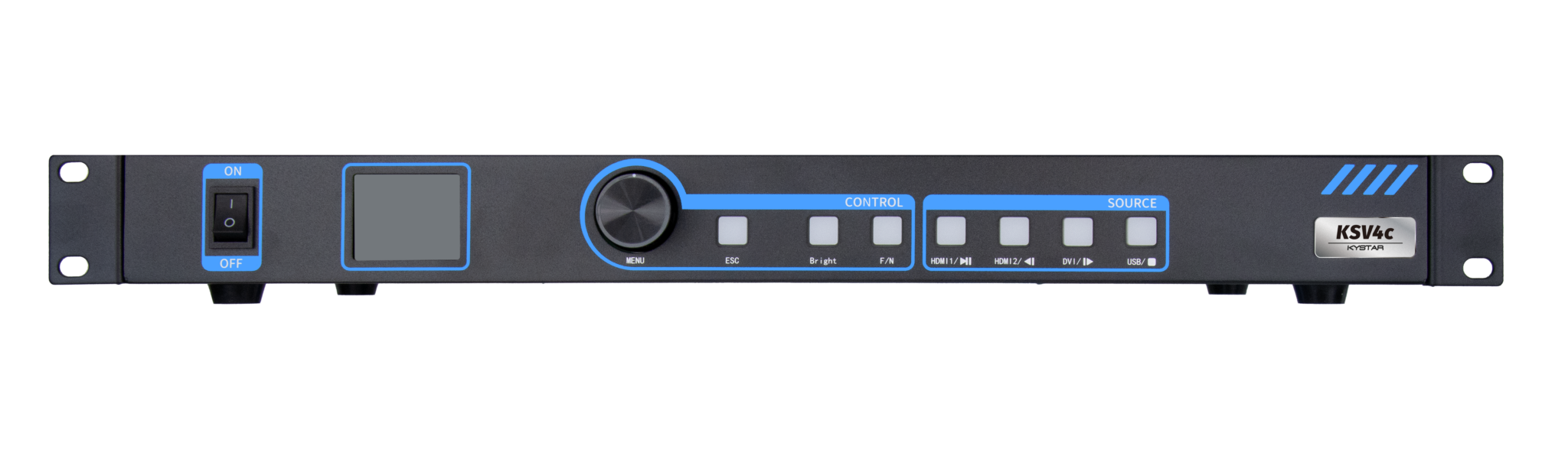
– Centralized video processor with high-density receiving cards: excellent for tight synchronization across large canvases, lower per-panel overhead.
– Distributed receiving cards with local buffering: better for modular installs and fault isolation, slightly more complex calibration.
– Hybrid systems that offload some processing to the source device: cost-efficient for small to medium walls but riskier at scale.
Each path has trade-offs. Centralized systems deliver consistent frame rate control; distributed setups win when downtime must be contained. The choice affects pixel pitch decisions, cabinet-level redundancy, and long-term maintenance budgets.
Performance factors that decide day-to-day outcomes
Focus on these operational metrics: refresh rate, frame rate stability, synchronization latency, and color calibration capability. A receiving card that can’t maintain a steady refresh rate will show micro-tearing at motion edges. Pixel pitch dictates visual clarity, but without precise synchronization the image still fractures. Also watch for input formats supported by the controller and whether the board can handle HDR color ranges—practical details, not marketing bluster. —Minor mismatch here can cost hours on site.
Common mistakes installers make — and a real-world anchor
Install teams often assume “more ports equals simpler setup.” That belief fails in places like Times Square, where dozens of panels and varying viewing angles demand exact color mapping and tight synchronization. Similarly, major live events—think large-scale halftime stages—expose flaws in latency management and cable topology. The lesson from these high-stakes examples: specify a receiving card and LED display controller that matches the installation’s scale and the operator’s tolerance for on-site tuning. Mistakes to avoid include mixing incompatible firmware versions, underestimating the need for backup routes, and skipping pre-install calibration tests.
How to evaluate options for your project
Make practical tests part of procurement. Run a short pilot: stress the display with 60–120 second test loops that push color gradients, fast pans, and high-contrast scenes. Check frame-accurate synchronization across seams and measure end-to-end latency with a simple camera test. Choose systems that expose diagnostics—link status, temperature logs, and frame counters—so troubleshooting isn’t guesswork. Prioritize modular firmware updates and an established developer community for faster fixes.
Three golden rules for selecting the right solution
1) Prioritize consistent refresh and synchronization above raw pixel throughput. Reliable refresh rate beats peak bandwidth when viewers watch motion-heavy content.
2) Insist on long-term firmware support and clear diagnostics. You want predictable behavior after the first firmware update—no surprises.
3) Match redundancy to risk: choose distributed receiving cards if you need localized fault tolerance; choose centralized architectures when absolute visual coherence is paramount.
Trust decisions grounded in these metrics, and the installation behaves more like an instrument than a gamble. —Test early, test often; the field will tell you the truth.
Final note
These comparative insights steer you toward measurable outcomes: fewer on-site fixes, consistent motion rendering, and cleaner color across seams. For many projects, that pragmatic reliability points naturally to suppliers who combine solid receiving card design with field-proven support—companies like Kystar. A clear spec sheet matters. Real-world behavior matters more. —
