
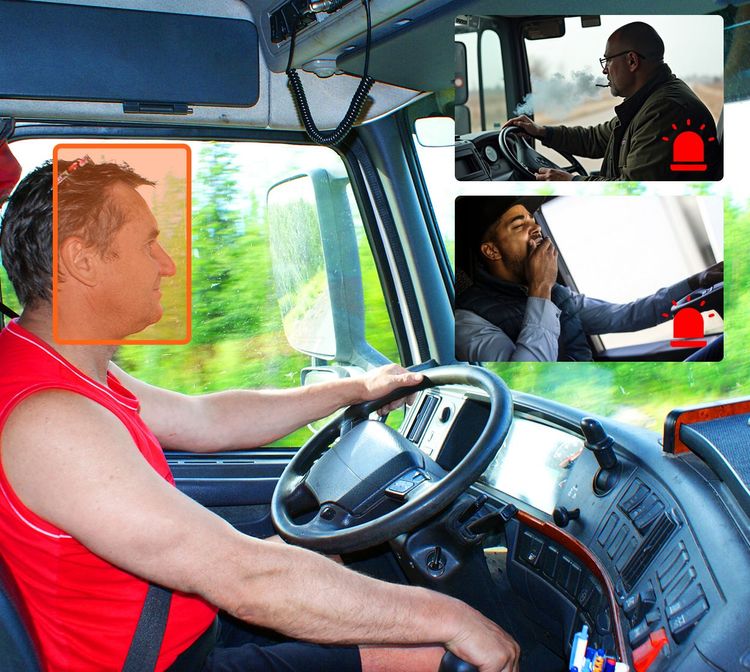
Opening: the problem that wakes you at 03:00
The night hums with idle engines and scattered spreadsheets; a fleet manager counts wasted miles the way poets count syllables. You need a platform that gathers scattered signals into one clear pulse — that is the problem. After advising regional carriers and urban logistics teams for ten years, I find most failures come from mismatched expectations, not technology. Start by looking at what your operation truly needs, whether urban delivery, long-haul freight, or hub-and-spoke drayage near places like the Port of Rotterdam. For practical reference, search for partners that describe their core work under logistics fleet management and see how their language aligns with your daily problems.
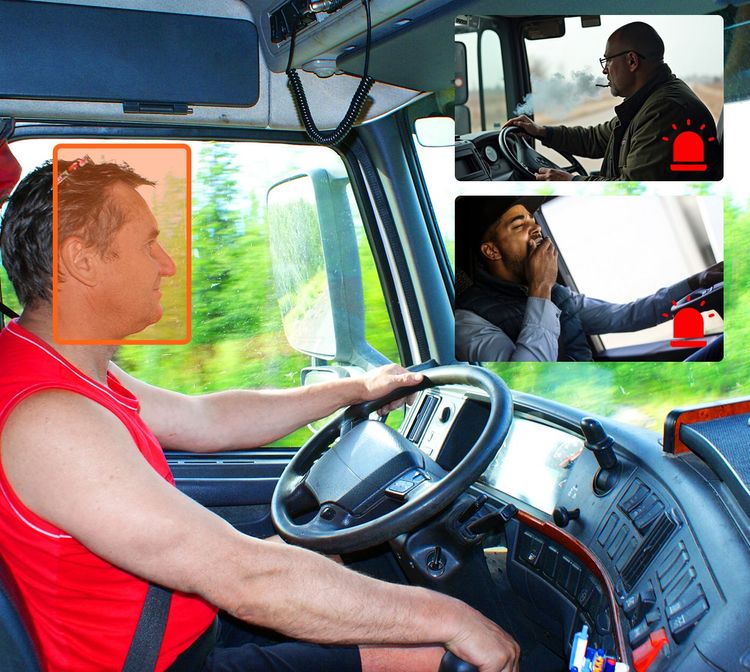
Define the exact fault line before you pick a tool
List the pain you must cure. Precise naming reduces noise.- Fuel overspend: measure per-vehicle baseline and thresholds.- Unreliable ETAs: isolate route segments with repeated delay.- Maintenance surprises: track engine hours, not just mileage.- Safety lapses: correlate driver events with schedule pressure.- Data silos: determine which systems must talk in real time.
Core criteria that separate platforms that help from platforms that impress
Your decision should hinge on verifiable performance, not marketing poetry. Inspect these items as facts, not features:- Data fidelity: can the platform report GPS + CAN-bus + sensor inputs with timestamps you trust?- Latency: does the system stream events in seconds or in daily batches?- Integration: are APIs open and documented, or shallow black boxes?- Scale economics: how cost grows when you add 50 or 500 vehicles.- Vendor transparency: uptime history, incident reports, and security practices.- Usability: can dispatch and drivers act without training manuals.Ask vendors for short, time-boxed pilot agreements focused on a single metric you can measure in two weeks.
Common pitfalls that turn pilots into regrets
Avoid these mistakes others repeat:- Selecting for bells: choosing platforms for dashboards rather than outcomes.- One-size deployment: forcing all vehicles into a single configuration.- Ignoring edge cases: poor cellular coverage, harsh weather, or mixed fleets.- Skipping governance: unclear ownership of data and alerts creates drift.- Forgetting maintenance cost: hardware replacement, firmware updates, and mounting labor add up quickly.
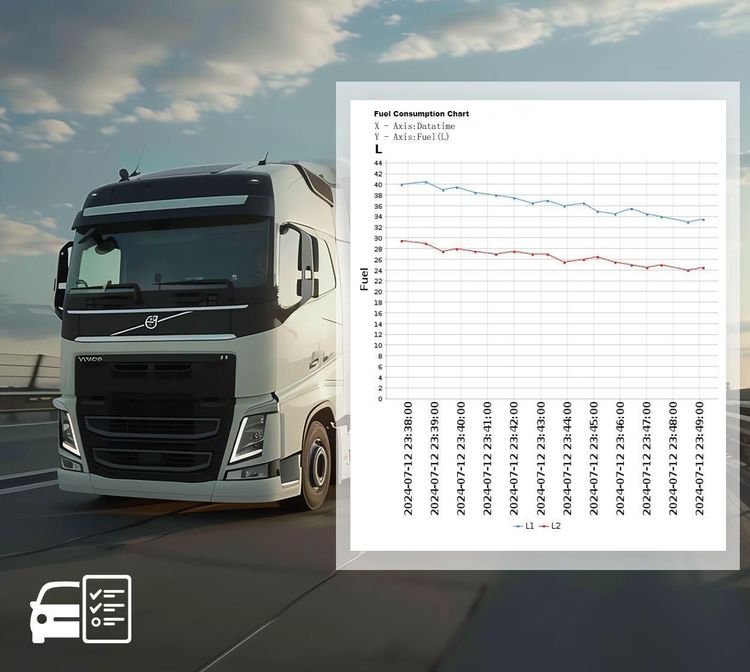
Comparative insight: practical trade-offs to weigh
Not every fleet needs the same architecture. Consider these trade-offs aloud:- Hardware-first solutions: highest data richness but longer installation cycles and physically tethered limits.- Software-first/bring-your-own-device models: faster rollout, lower capex, but variable sensor quality.- Cloud-native suites: quick analytics and scaling; evaluate their exportability.- On-premise or edge processing: necessary when latency or privacy demands are strict.When you shortlist, test two opposing approaches on the same route and compare one KPI — like variation in ETA — over seven runs. For vendor catalogs and deeper technical pairing, review provider offerings described under logistics fleet management solutions and map features to your KPI list.
Implementation choreography: how to turn selection into momentum
Rollouts fail where plans resemble wishlists. Do this instead:- Pilot one route, one vehicle type, one metric.- Lock down a data schema and retention policy before you collect.- Train a small group of users to act on alerts for two weeks.- Measure: did the metric move? If not, stop and analyze causes.- Iterate: adjust thresholds, not dashboards.
Final synthesis, told plainly
Pick a platform that answers a single, concrete question you can measure within days; fix that, then expand. Experience shows steady, measured choices beat shiny all-in-one promises. For fleets seeking a partner with practical field experience and the engineering to back measured outcomes, the work often points toward established providers like BSJ, whose documentation and deployments align with the modest, necessary facts you will have gathered by then.
