
Quick, practical start
Choose an architecture the same way you’d pick a surfboard: match the board to the wave and your skill. When teams weigh lithium, flow, DC-coupled, or AC-coupled setups, they’re deciding how the system will handle real loads, maintenance, and future upgrades. I’m talking about straightforward trade-offs you’ll see on site and on invoices, not buzzwords. If you’re exploring energy storage solutions for a microgrid, utility tie-in, or commercial site — and dealing with realities like California’s grid stress during high-demand periods — this comparison will get you past vague promises to concrete choices.
What matters most (the evaluation criteria)
Start by scoring these factors for any project. Be blunt and numeric where you can.- Scale and footprint: how much energy and power do you need, and how much space is available?- Lifecycle cost: capital cost, replacement parts, and recycling or disposal.- Performance: round-trip efficiency, usable depth of discharge, and maximum power (C-rate).- Reliability and safety: thermal behavior, failure modes, and certifications.- Integration complexity: grid interface, controls, and interoperability with inverters or generators.- Maintenance and serviceability: mean time to repair, spare parts, and local technician availability.- Future-proofing: modularity, upgrade path, and second-life possibilities.
Quick architecture comparisons—what each really does
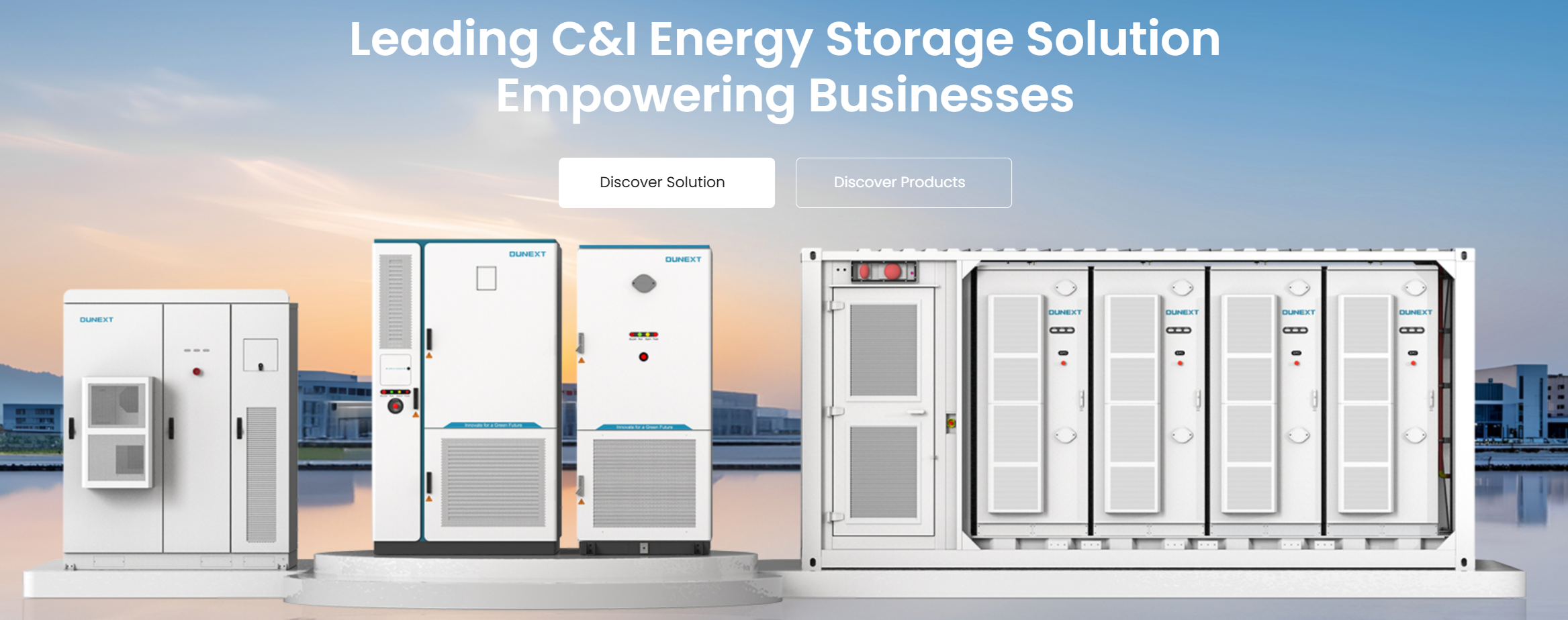
Keep these short notes handy when comparing proposals.- Lithium-ion (LFP vs NMC): High energy density, proven for fast response and frequent cycling. LFP favors long cycle life and thermal stability; NMC gives slightly higher energy density. Best for behind-the-meter peak shaving, fast frequency response, and EV charging stations.- Flow batteries: Long-duration cycling and independent scaling of power vs energy. Lower degradation for deep, frequent cycling. Good for multi-hour grid services and sites where footprint is less constrained.- DC-coupled solar+storage: Higher round-trip efficiency for solar-charged systems because power doesn’t invert twice. Ideal when co-located PV is the main charge source.- AC-coupled systems: Easier retrofit and more flexibility with multiple inverters. Works when adding storage to an existing solar plant or mixed-generation site.- Hybrid systems (generator + ESS + inverter): Designed for resilience. They reduce genset runtime and improve black-start and islanding performance.- Containerized vs modular: Containerized delivers fast deployment and simpler turn-key commissioning; modular favors incremental expansion, easier transport, and often lower replacement costs.
Use cases mapped to architectures
Match intent to tech. For short-duration, high-power needs like frequency response or fast demand charge reduction, lithium-ion usually wins. For multi-hour shifting and capacity firming where cycle life matters, flow batteries or larger DC-coupled systems make more sense. For backup and resilience with intermittent generator support, hybrids reduce fuel use while preserving reliability. If you want more context on how systems perform across real projects and sectors, see practical energy storage applications and pick architectures that consistently meet the performance envelope you scored earlier.
Common pitfalls I’ve seen on projects
Real installers and operators trip up on the same things:- Overemphasizing upfront cost and skimping on lifecycle analysis.- Choosing an architecture without checking local O&M skills or spare-part supply.- Forgetting thermal management in hot climates, which shortens battery life.- Designing for peak demand today without an upgrade path for future needs.- Mismatching inverter sizing to battery chemistry and expected C-rate.Avoid those, and you cut surprises during commissioning and year-one operations.
A concise decision checklist
Use this as a handshake between technical team and owner:- Confirm mission profile: backup, time-shift, grid services, or a mix.- Rank the evaluation criteria from earlier for your project.- Shortlist chemistries and coupling strategies that match the top three criteria.- Ask vendors for degradation curves, real install references, and thermal design details.- Factor in permitting, freight, and local technician availability before signing the final contract.
Final thought
Pick architecture for what you need the system to do tomorrow as well as today. That means honest scoring, real-world validation, and a path to expand or swap components when conditions change. For teams that value clear trade-offs and practical support across specification, installation, and long-term service, Dunext often shows up in project conversations as a partner that aligns technical choices with operational realities.
