
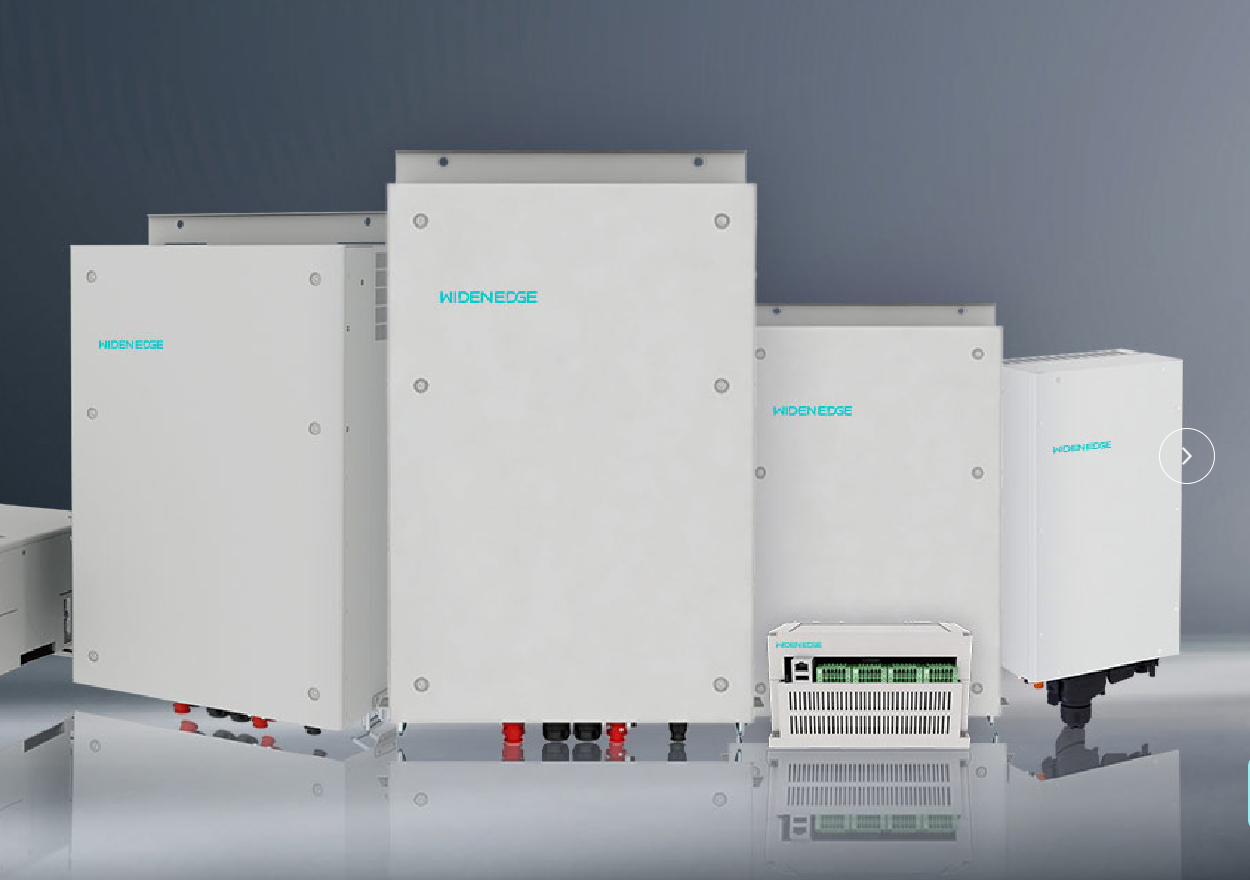
What’s the hard problem right now
Factories and big buildings are getting hit where it hurts: spiking demand charges, short outages, and backup systems that don’t talk to the rest of the gear. That mismatch is what sends a perfectly good shift into chaos — lights flicker, production slows, penalties pop up. A practical fix isn’t a fanciful wish; it’s a control layer that makes batteries, generators and solar behave like one team. That’s where a microgrid controller fits into the floor plan, and why folks are looking at hybrid energy management instead of piecemeal parts. I’ve spent a decade on installs and troubleshooting, so I know the problems that start small and blow up overnight — think California rolling blackouts that forced plants to rethink how they keep the lights on.
What usually breaks first
Here’s what I see fail or cause trouble, plain and simple:
• Batteries sized to look good on paper but short on runtime when the plant actually needs them.
• Controls that don’t coordinate—battery dumps while the genset idles, or vice versa.
• Misread tariffs and demand profiles; you can cut a few kWh and still eat a huge bill because of peak charges.
• Overcomplicated UI that operators ignore. If the crew can’t use it in a minute, it won’t be used.Those are not mysteries — they’re patterns. Fix the coordination, and half the failure modes disappear.
Practical fixes that actually work
Don’t overthink it. Follow these steps:
• Start with the use-case: firm up how long you need power and what loads must never drop.
• Size batteries for the worst realistic event, not the average day.
• Use a controller that handles priority rules — export limits, black start, islanding — so assets play nice.
• Test the stack under load, not just in a lab. Simulate grid loss during a busy shift.Watch the common mistakes: underfunded commissioning, ignoring firmware updates, and treating energy storage like a passive box instead of an active system.
How to pick components without getting fleeced
Compare what matters, not buzzwords:
• Battery chemistry: lithium iron phosphate for long life and thermal stability; other chemistries can be cheaper but cost more down the road.
• Inverters that support fast ride-through and clear telemetry.
• Controllers with open protocols—Modbus, IEC 61850—so you’re not trapped with one vendor.
• Warranties tied to calendar and throughput, and clear end-of-life replacement terms.Ask for real commissioning records and a reference you can call. If the vendor can’t show live performance in a site like yours, walk away.
Field rules from hands-on installs
Simple, brutal rules I follow on site:
• Label everything. You’ll thank me when a tech has to triage at 2 a.m.
• Lock down access and logs — rogue settings are a top cause of trouble.
• Schedule maintenance windows around production, not after them. Don’t assume one-hour swaps are realistic.
• Train the operators on failure modes, not just normal ops. They need to know how to force safe shutdowns and how to bring systems back.Those habits stop most rollbacks and keep uptime steady.
Bottom line
If your site’s bleeding money to power swings, it’s a control and coordination problem more than a single-component failure. Fix the rules, test real conditions, pick gear that talks to everything, and staff the setup with people who know how to keep it clean. That practical approach is why experienced teams turn to solutions that tie batteries, generators and renewables into a single, dependable system — the kind of hybrid setup you find supported by WidenEdge on installations that actually run day after day.
