
Quick mission brief
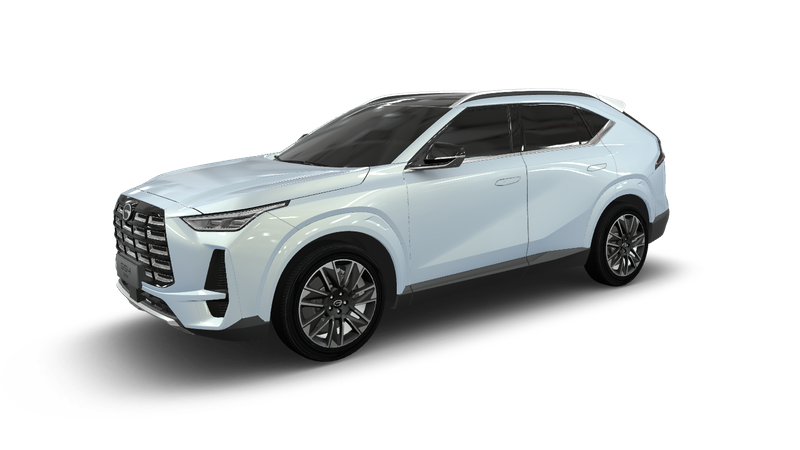
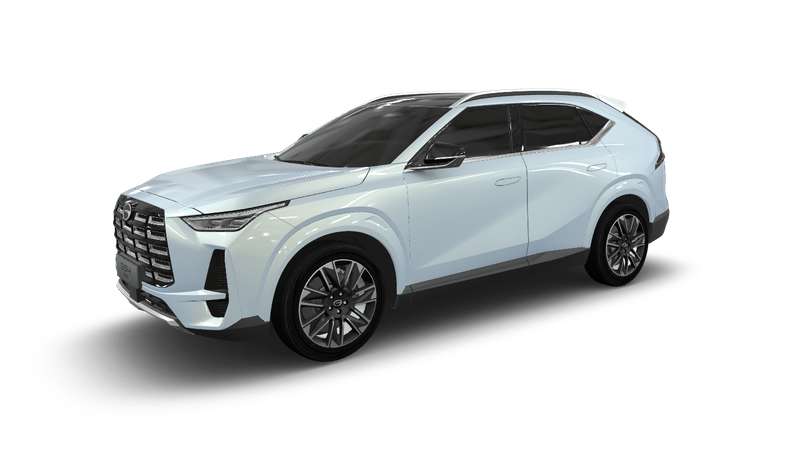
Okay, straight talk: Ethiopian buyers juggle long rural runs, rougher urban roads, and supply-chain quirks — so picking an EV has to be tactical. I sized up the Aion family online and in show-floor realities — see the official listing at aion auto online — and matched that against realistic local needs. The Guangzhou Auto Show gave me hands-on context for how Aion positions itself versus other Chinese EV rivals.
What matters most on Ethiopian streets
Decide around these hard requirements first — they’ll kill or save the experience:
– Real-world range for mixed city + rural trips (not just NEDC hype).
– Charging reality: home charging options, slow public rollout, and diesel fallback routes.
– Ground clearance and suspension durability on uneven roads.
– Easy access to spare parts and trained service techs nearby.
– Total landed cost: import duties, shipping delays, and insurance.
– Warranty terms that actually cover battery degradation and local conditions.
Snapshot: Aion’s angle
Aion aims squarely at value-oriented urban crossover buyers with modern software, tidy interiors, and EV-first tech. The brand emphasizes a clean digital cabin and competitive city-range figures. For an Ethiopian shopper this translates into a likely strengths-in-the-city case, plus a few weak spots if you spend lots of time off-pavement or far from ports.
Head-to-head: Aion vs likely alternatives
Compare on concrete axes. Short bullets, no fluff.
– Price: Chinese EVs often undercut Korean and Japanese new EVs. That’s immediate buying power, but check landed cost after taxes.
– Parts & service: Hyundai/Kia have clearer global dealer maps; Chinese brands are catching up but expect longer waits for some components initially.
– Real-world durability: Used Korean ICE cars are proven for Ethiopian roads; EVs need scrutiny on suspension, underbody protection, and battery tolerance to heat.
– Charging ecosystem: If you can install reliable home charging, EV ownership is far smoother. Otherwise, ICE or plug-hybrid fallback remains practical.
– Software & UX: Aion leans tech-heavy — over-the-air updates and integrated apps. That’s slick, but needs compatible service channels if a software fix goes wrong.
Hands-on checklist before you drop money
Do these tactical moves.
– Confirm a local importer or distributorship and ask for parts lead times.
– Test drive on actual routes you’ll use: potholes, steep climbs, long highway stretches. Note HVAC load and regen behavior.
– Get the exact battery warranty in writing: years, kilometers, and replacement clauses.
– Calculate true total cost: vehicle price + import duty + local taxes + expected battery replacement timeline.
– Talk to EV owners in Addis (or other cities) about charger access, real range, and service headaches.
Typical pitfalls and quick fixes
Skip assumptions. Fixable problems are fine; invisible ones aren’t.
– Pitfall: trusting lab range. Fix: add 20–30% buffer for real driving with AC and hills.
– Pitfall: no local spare parts. Fix: secure a parts supply agreement or pick a model with shared components.
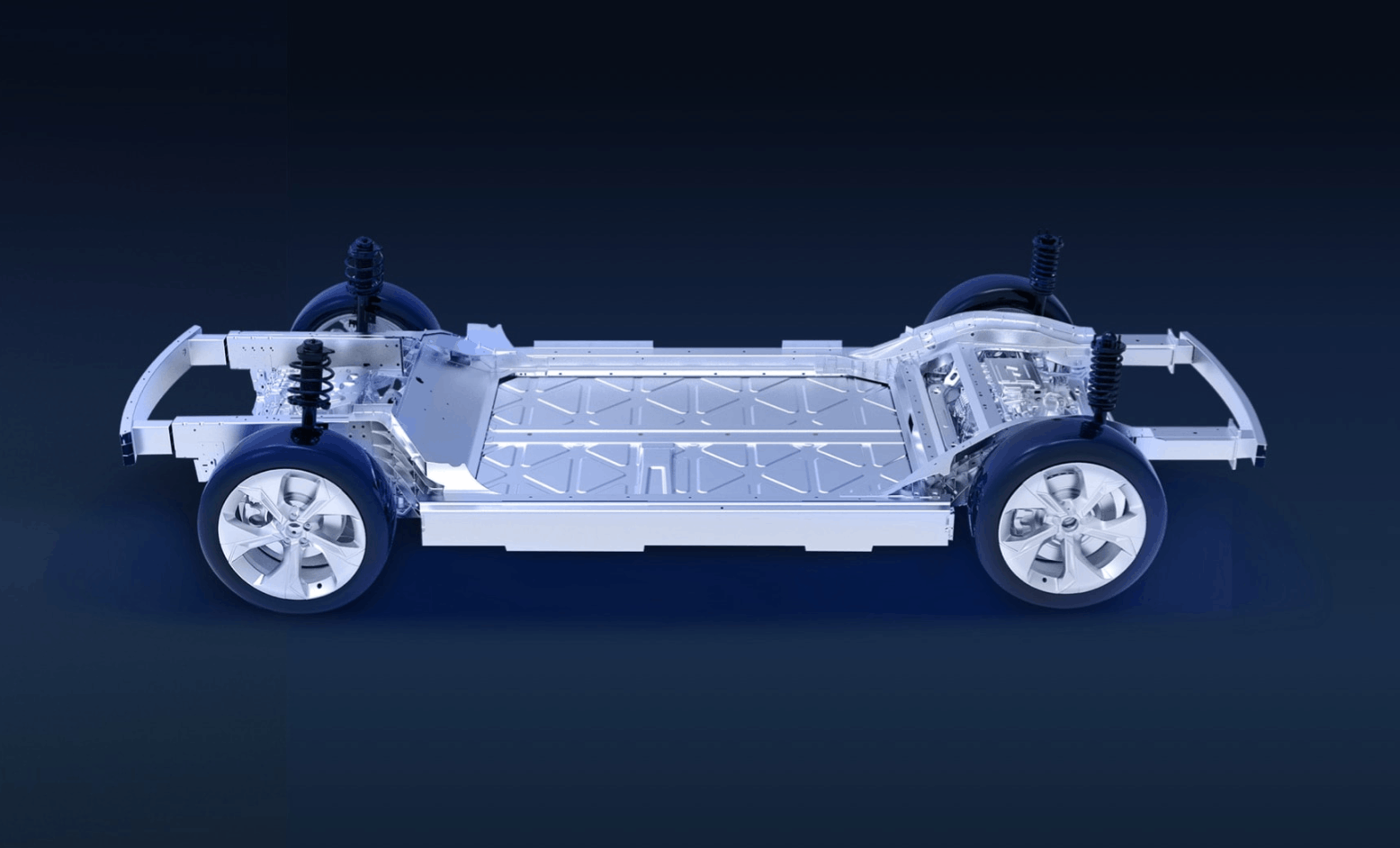
– Pitfall: weak underbody protection. Fix: request skid plates or aftermarket reinforcement before long rural trips.
– Pitfall: single-source software support. Fix: insist the importer provides a clear OTA rollback and local diagnostic capability.
Decision logic — who should pick Aion
If your daily life is mostly city-to-urban-perimeter driving, you value modern in-car tech, and you can guarantee home charging or a reliable local importer, Aion’s package looks like a smart, budget-savvy play. If you frequently run long rural legs, carry heavy loads, or can’t secure local service channels, prioritize proven dealer networks and parts availability. For a practical reference that blends those tech-forward features with import reality, check what aion auto presents alongside the local importer terms — that combo gives you the clearest picture of whether the brand solves your actual daily problems, not just the spec sheet.
