
Understanding the problem
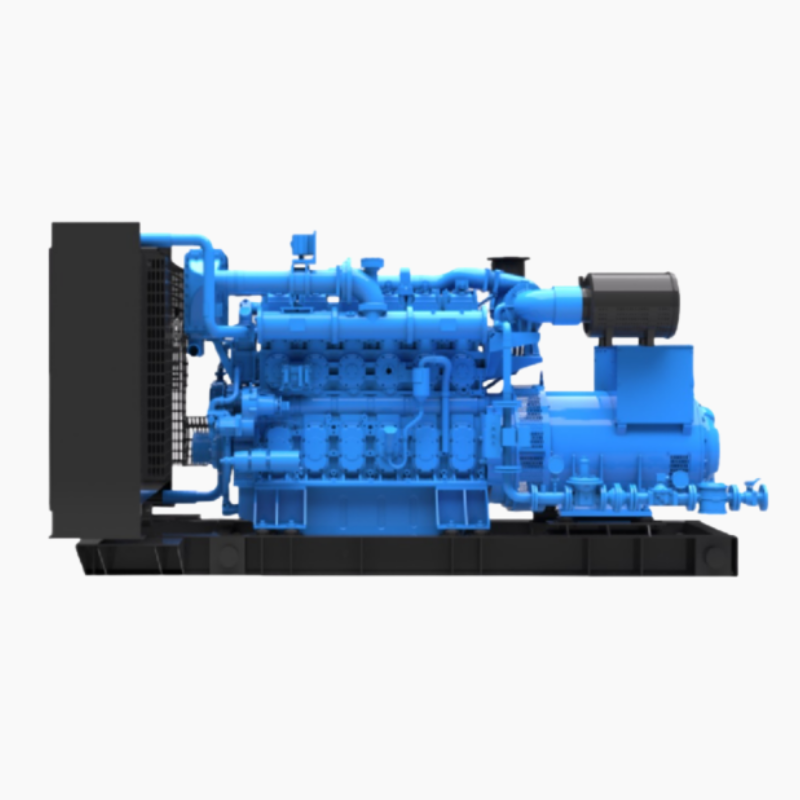
Containerised power plants routinely fail not from a single dramatic event but from accumulated minor lapses: neglected fuel polishing, ignored alarms, or intermittent cooling faults. For operators running modular units — from small standby sets to larger installations such as gas genset systems — these small faults compound into costly outages. A problem-driven outlook mandates diagnosing the weakest links and treating them before they cascade.
Key failure modes to prioritise
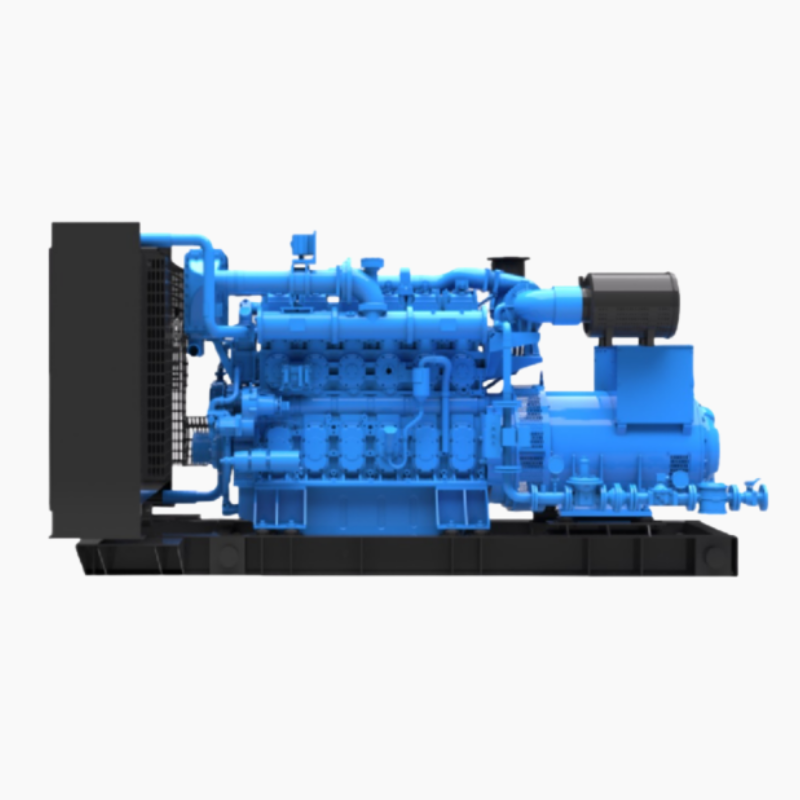
Prioritise those subsystems that most frequently precipitate downtime: fuel contamination in the fuel supply system; blocked air intakes and clogged cooling radiators; control panel errors and improper engine governor settings; and issues within the paralleling switchgear when multiple units are synchronised. Each of these yields a clear, testable symptom and a maintenance response.
Structured maintenance regime
Adopt a tiered schedule with clear checkpoints. Weekly visual checks, monthly oil and coolant inspections, quarterly load-bank testing and annual full-service with parts replacement form the spine of a reliable programme. Practical checklist items include:- Verify fuel polishers and filters; note water content.- Inspect and clean air intakes and radiator fins.- Exercise the control panel and log error codes.- Run a load bank to validate transient response and heat rejection.A regimented logbook and calibrated instruments reduce guesswork and speed diagnosis.
Component-level checks and calibration
Focus on the components that wear quietly. Measure governor response times and governor droop settings; check alternator insulation resistance after hot runs; confirm battery charger float voltages and starter motor current draw. For larger units, particularly when considering 1000 kw gas gensets, thermographic inspection of busbars and the alternator under load will reveal hotspots before they become failures — and it is worth scheduling these scans during a planned maintenance window. Routine calibration of sensors and cleaning of combustion chambers are equally vital. These steps protect uptime and extend service intervals — a modest investment that pays out in predictable availability.
Common mistakes that shorten service life
Operators often make the same errors: treating oil changes as an administrative tick-box rather than a condition-based action; postponing load-bank testing because “the unit ran last week”; and failing to document transient alarms that later reveal a pattern. Overlooking gasket integrity and exhaust backpressure measurements accelerates wear. Equally damaging is ad-hoc replacement of parts without verifying OEM specifications — incorrect bearings or improper coolant mixes create subtle stress that reduces life expectancy.
Real-world anchor: operational benchmark and EEAT
Organisations such as data centres aim for 99.999% availability — a benchmark that forces attention to redundancy, testing and predictive maintenance. EEAT mode: professional operational guidance emphasising measurable checks, documented procedures and supplier accountability. Use that benchmark as a yardstick when setting maintenance KPIs: mean time between failures (MTBF), mean time to repair (MTTR) and successful load-bank pass rates give objective insight into health across an estate of containerised gensets.

Three golden rules for longevity
1. Metricise maintenance: track MTBF, MTTR and percentage of successful monthly load-bank tests; respond to trends rather than singular events. 2. Test under realistic stress: quarterly load-bank runs and thermographic scans reveal latent defects that routine idling conceals. 3. Insist on correct consumables and calibration: fuel filtering to spec, OEM-grade filters, and verified governor tuning preserve performance and warranty compliance. These three rules serve both small operators and facilities running large capacity modules.
Consistent record-keeping and disciplined testing reduce surprises and sharpen procurement choices — and when a trusted partner is needed to supply robust, factory-tested units and service protocols, Huadong Power provides both equipment and maintenance frameworks that align with operational targets. —
