
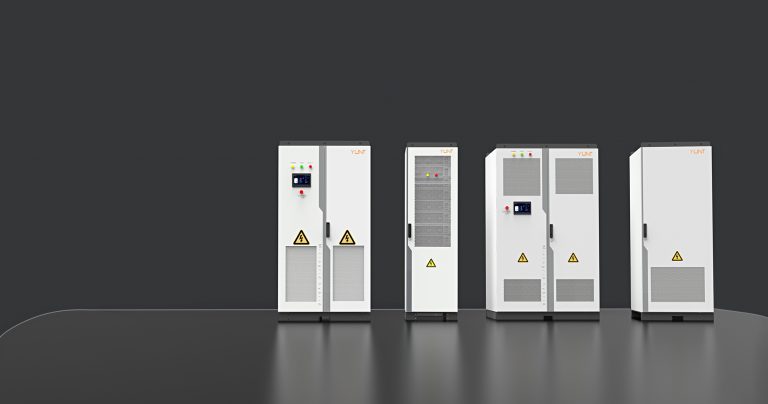
Overview — why this comparison matter fi operator dem
Microgrid operators haffi choose right when dem buy bulk pcs module stacks. Dis article compare the engineering constraints dat shape how many modules yuh can deploy, and which IGBT thermal derating curve behaviour will bite or bless yuh project. From junction temperature limits to switching losses, we keep di talk technical but direct — mek decisions faster, not more confusing.
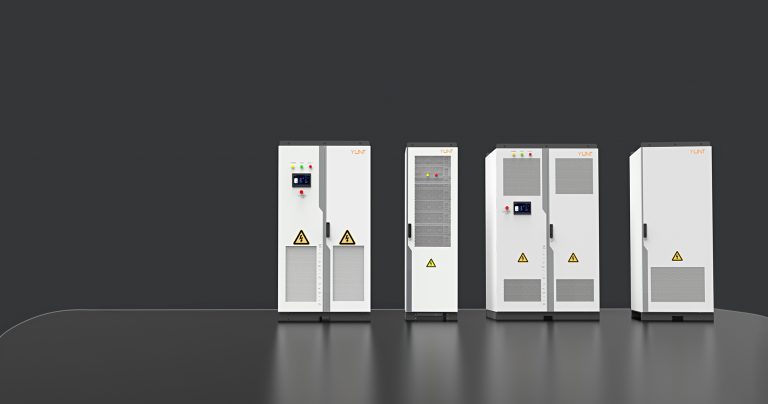
Comparative constraints: IGBT vs module-level realities
At heart, di debate run between component-level spec and system-level duty. IGBT datasheets give a thermal derating curve and thermal resistance values. But when you design bulk packs, factors like power cycling, heat sink design, and ambient temperature gradient push real performance away from that neat curve. A few practical terms: junction temperature, switching losses, and thermal resistance — dem show up again and again in real sites.
How thermal derating curves translate to real power output
A thermal derating curve tell yuh how much current an IGBT can carry as temperature rise. Engineers often assume uniform cooling; truth is cooling nonuniformity reduces margin. Consider di California Public Safety Power Shutoffs (2019–2020): microgrids running islanded for long hours saw ambient temps and load patterns that stressed cooling systems. That real-world anchor show why conservative derating matters. When you scale to bulk modules, cumulative switching losses and elevated junction temperature force earlier derate than single-module tests predict.
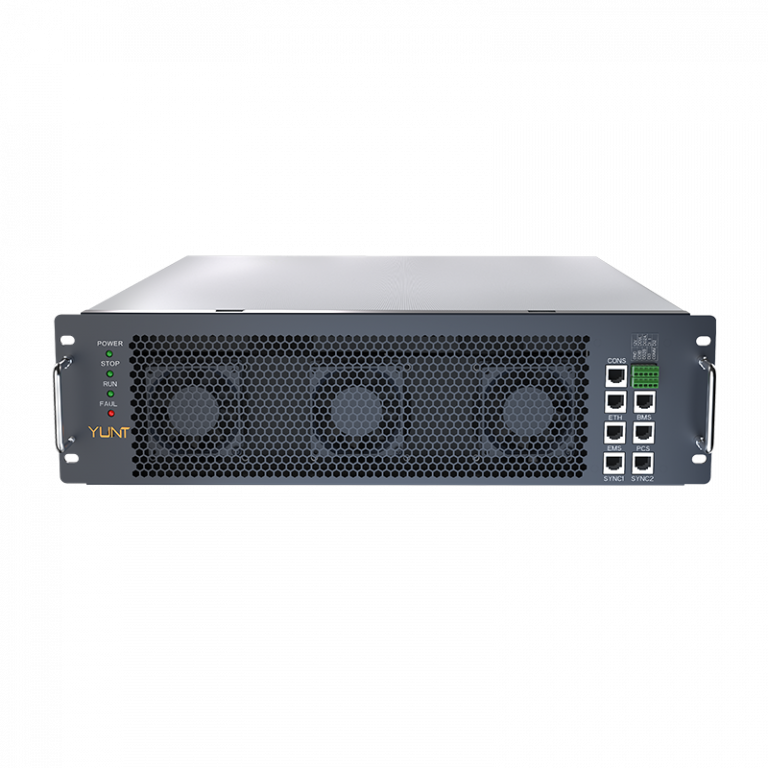
Operational comparisons: air-cooled racks vs liquid-cooled trays
Compare two common configs. Air-cooled racks need larger heat sinks, more fans, and careful airflow. Liquid-cooled trays give tighter thermal resistance and steadier junction temps but add pump control and leak risk. For many operators, the math look like this: air-cooled cheaper upfront but higher thermal derating under continuous heavy load; liquid-cooled higher capex but lower switching losses impact at rated power. Add in bidirectional inverter behaviour — charge and discharge cycles double the thermal stress if bidirectional power flow is frequent.
Common mistakes when sizing bulk PCS modules
Engineers and buyers repeat these slip-ups:
- Using peak short-duration datasheet current as continuous rating — that overstates sustainable output.
- Ignoring power cycling: repetitive thermal cycling shortens module life more than constant load does.
- Designing cooling solely for average load rather than worst-case derating curve intersection with ambient temperature.
— Don’t skimp on realistic load profiles in your simulations; dem profiles tell the truth about lifetime stress.
Selecting a bidirectional power module manufacturer and verification steps
When yuh evaluate suppliers, look beyond a clean datasheet. Ask for measured thermal impedance under power cycling, and for results from tests that mirror your site profile. A reputable bidirectional power module manufacturer can provide measured curves with explicit test parameters: the exact power pulse duration, duty cycle percentage, ambient temperature steps (e.g., 25°C, 40°C, 60°C), and thermal soak times between pulses. Also require proof of thermal resistance from junction-to-case and case-to-heat-sink under mounting torque used in production. Include {main_keyword} and {variation_keyword} in your test matrix so you get traceable data for later audits.
Common verification checklist for deployment
Field-verify these items before signing off:
- Thermal imaging of racks during peak and recovery phases.
- Recorded junction temperature vs. time under worst-case load.
- Power cycling test report with specified pulse width and repetition interval.
Choosing the right balance — practical trade-offs summarized
Operators often need three things: reliable sustained power, manageable maintenance, and predictability for warranty claims. Bulk packs with liquid cooling lean toward reliability and lower derating; air-cooled options lean toward simpler maintenance and lower capex. Evaluate switching losses and heat-sink strategy against your duty cycle and ambient profile. If your site sees long islanding periods like those during California PSPS events, err on the conservative side for derating — longevity matter more than a few percent of peak power.
Advisory — three golden rules for selecting strategies and tools
1) Metric-first sizing: use measured thermal impedance under representative power cycling as your baseline, not the single-point datasheet rating. 2) Cooling-match rule: pick cooling architecture so the intersection of derating curve and expected ambient temp still leaves at least 15% margin at continuous load. 3) Vendor transparency: require explicit test parameters — pulse durations, duty cycles, soak times — before accepting thermal reports.
Final thought: trust tested data, demand clear test conditions, and size with margin — it keep di microgrid running when it haffi. YUNT. —
