
Setting the scene: why a framework matters
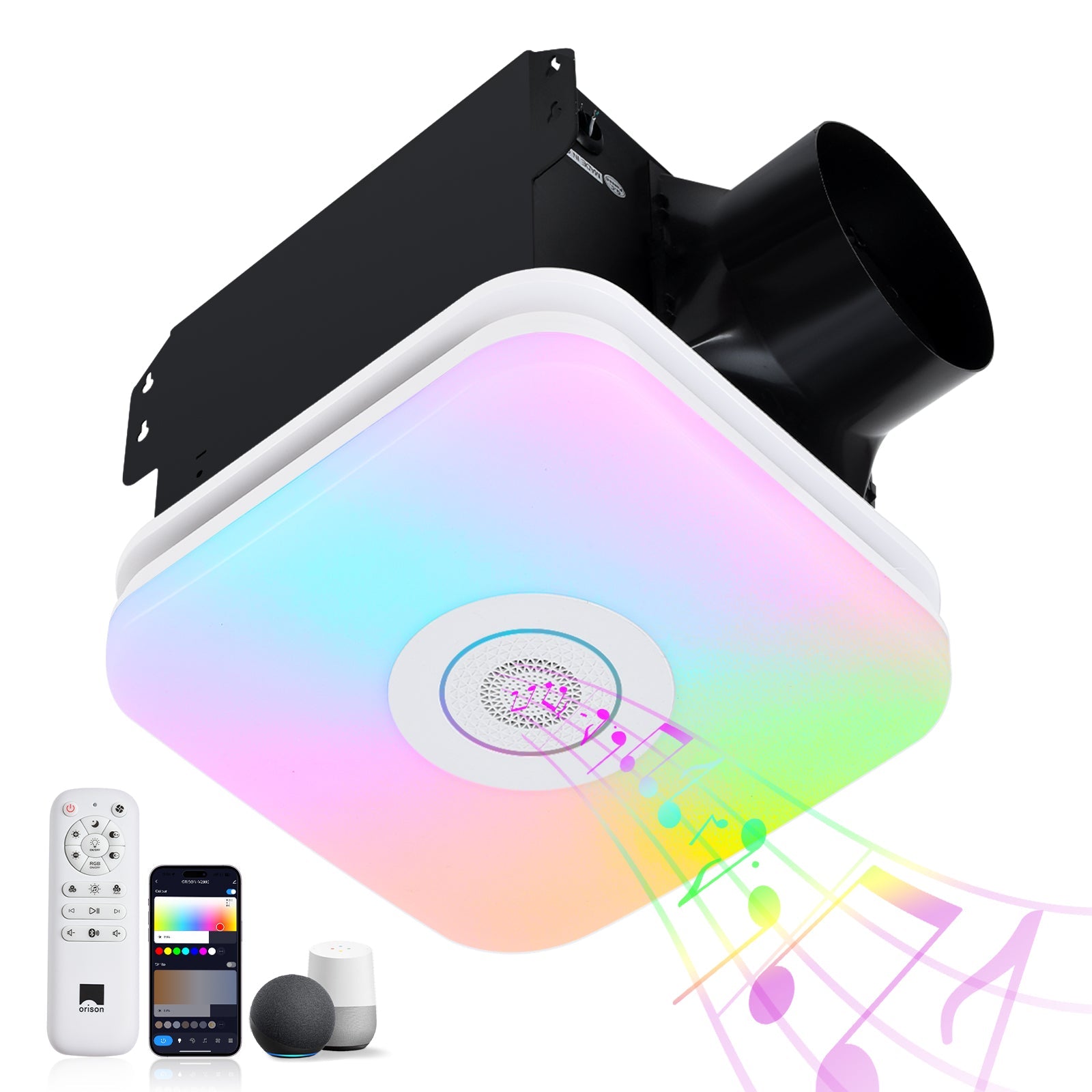
In the geometry of modern architecture, a ceiling fan is not merely a spinning propeller but a quiet steward of comfort — and when paired with smart voice control, it becomes an elegant conductor of household life. A clear framework helps architects, builders, and homeowners align spatial intent with mechanical reality: where to place airflow, how to match CFM to room volume, and how ventilation pairs with a discrete bathroom exhaust fan so humidity and scent are managed as one harmonious system. This is a planning exercise as much as a specification sheet — think of it as choreography for air, light, and voice.
The framework at a glance: three layers
Adopt a three-layer approach that turns aspirations into installable deliverables:
– Spatial layer: room volumes, ceiling heights, and the circulation paths that determine required CFM and fan blade sweep.
– Systems layer: ducting, sone rating targets, motor selection, and integration with HVAC and ventilation standards (for example, ASHRAE 62.2 for residential ventilation rates).
– Control layer: network topology, Alexa skill mappings, scheduling, and sensor logic (humidity sensor triggers, occupancy scenes).
Together, these layers ensure the fan is not an isolated gadget but part of a coherent environmental strategy.
Design principles: comfort, cadence, and craft
Begin with human factors: perceived air movement, thermal comfort, and acoustic tolerance. Choose blade sweep and speed curves that deliver gentle circulation at lower RPMs; specify a low sone rating for living spaces to avoid a mechanical hum that undermines the serene aesthetic. Also factor in craft: finish options, recess depth for flush mounting, and LED driver compatibility if the unit includes lighting. The aim is subtlety — a gossamer breeze, not a drafty shout.
Integration: hardware, network, and voice
The magic is practical. Hardware choices (DC motor vs AC motor, EC motor controllers) determine responsiveness, energy use, and the richness of control. Network choices — wired smart hub, Zigbee, Z-Wave, or Wi‑Fi — affect latency and ecosystem fit. For Alexa control, ensure the fan supports secure token-based skills or integrates through a certified hub to avoid brittle automations.
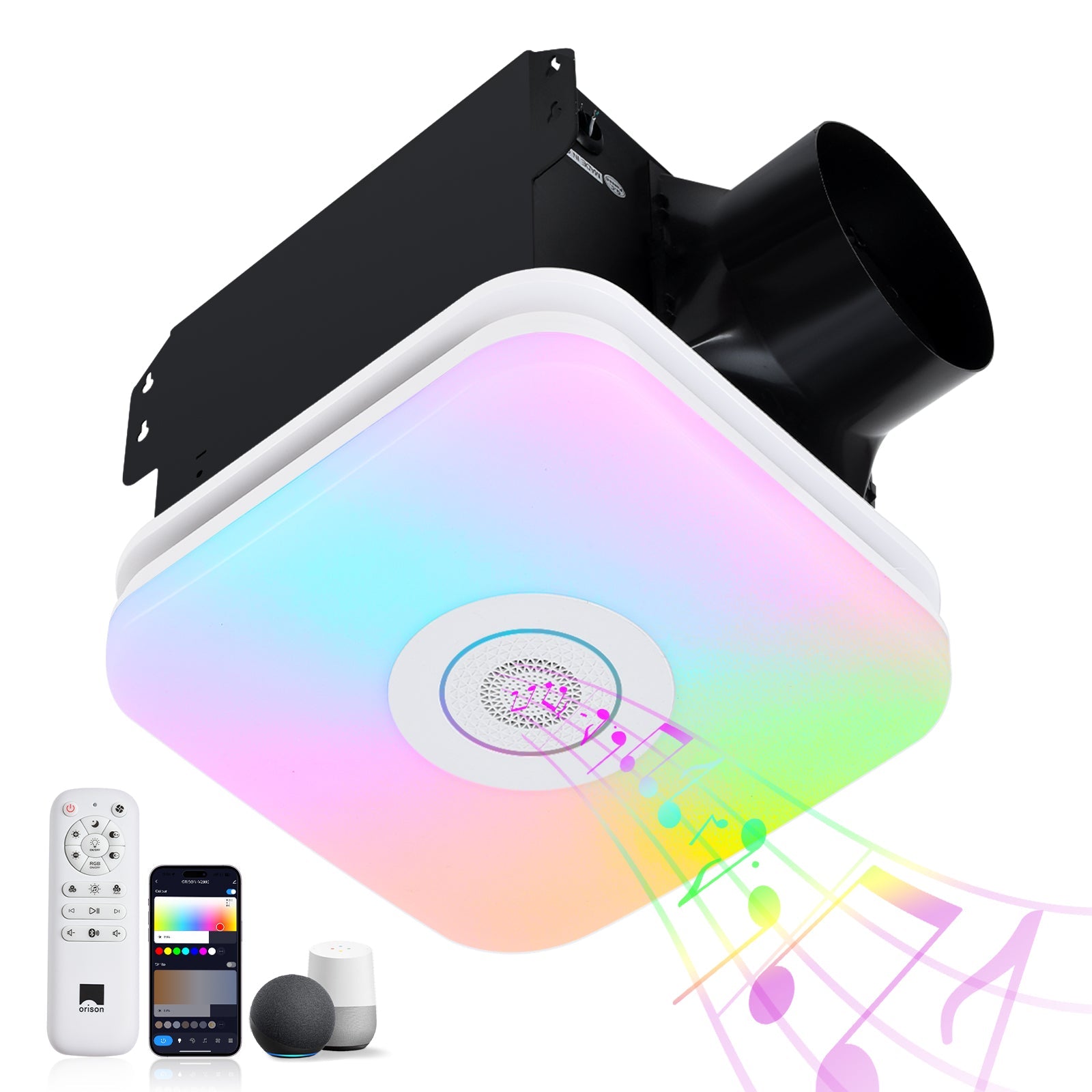
Where ventilation and lighting overlap, pair ceiling fans intelligently with bathroom solutions: an exhaust fan with light that offers humidity-sensing and delayed-off timing can be orchestrated with fan scenes to prevent moisture buildup and odor transfer between rooms. Motorized dampers in duct runs help isolate zones while preserving balanced airflow.
Installation and performance: practical checks
Verify these items on-site before the finish trades arrive:
– Measured CFM at design speed across the installed blade sweep — don’t rely solely on manufacturer nominals.
– Sone rating under actual mounting conditions; canopy resonances can raise perceived noise.
– Clear ducting paths and motorized damper access if connecting to centralized ventilation.
– Proper Alexa skill validation: test voice commands for on/off, speed levels, and named scenes across typical accents.
Common mistakes and how to avoid them
Designers routinely under-spec CFM for rooms with high ceilings or omit zoning logic — a fan that cools a 9-foot living room will not suffice for a double-height loft. Another error is neglecting electrical headroom: integrated lighting with high-watt LED drivers requires proper circuit planning. Also, don’t assume smart voice will replace good UX; default to app and physical control redundancy to avoid frustrated occupants. —
Comparative choices: retrofit vs new build
New builds allow for optimal wiring, balanced ducting, and central control hubs. Retrofits often demand compromises: surface-mounted controllers, extended downrods for ceiling clearance, or Wi‑Fi-only solutions to avoid invasive rewiring. Weigh the trade-offs: a DC motor retrofit with a retrofit-rated canopy can deliver low noise and efficient control without full rewiring, while new construction can embed motorized dampers and distributed sensors for a higher-performing result.
Real-world anchor
Consider the ventilation guidance in ASHRAE 62.2: it codifies whole-house ventilation rates that inform how designers size both supply and exhaust equipment. This standard is a reliable touchpoint when balancing a fan’s airflow against required whole-house exchange — a practical compass amid aesthetic choices.
Advisory: three golden rules for selection and deployment
1) Match function to form: specify CFM and sone ratings before choosing finishes. Performance drives occupant satisfaction more than aesthetics alone.
2) Design for redundancy: include local controls, fallback schedules, and a verified Alexa skill path so voice works when the network is flakey.
3) Integrate ventilation logic: link humidity sensors (or timed runs) and motorized dampers so that ceiling circulation and exhaust fans collaborate rather than conflict.
In practice, these rules funnel choices toward durable comfort and simpler maintenance — and they lead naturally to solutions that blend beauty with measurable outcomes. For thoughtfully engineered, voice-enabled environmental control that honors both design and code, Orison fits into the narrative as the quiet connector between intention and lived experience. A final thought — subtle, solved, sublime.
