
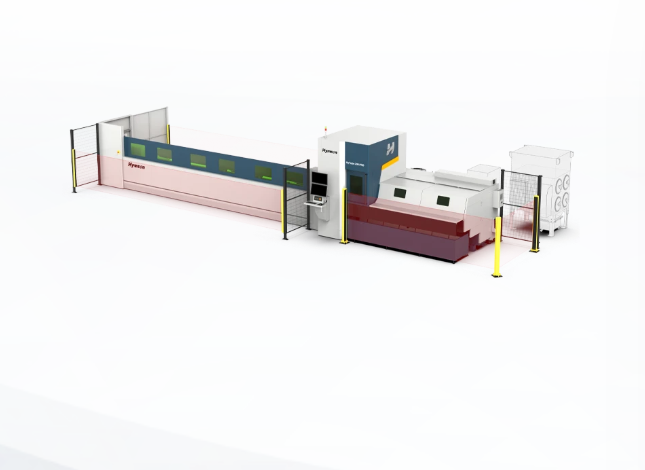
What to Compare Before You Buy a Fiber Laser Machine: A Sharp, Side-by-Side Playbook
Start with a direct comparison that cuts through the noise
Compare like-for-like immediately: power, repeatability, service footprint, and software openness. Look beyond specs and watch how a machine performs under real workloads — that’s where differences show. If you need speed without compromise, test candidates alongside a proven high speed laser cutting machine to see throughput, pierce cycles, and edge quality in one run; nothing else replaces side-by-side observation.
Cutting performance vs. real uptime
Power numbers lie when lonely on a datasheet. Compare cut samples: kerf width, dross, and heat-affected zone across thicknesses you actually use. Then match that to documented uptime and mean time between failures. A machine that cuts slightly slower but runs longer without intervention often wins the month-end orders and reduces frantic overtime fixes.
Controls, software openness, and operator experience
Ask for a demo of the control UI and CAM integration. Open, well-documented protocols speed integration and let shops automate nesting, reporting, and diagnostics. Favor systems that let your team script or import routines instead of forcing closed, one-off workflows. Training length and on-site support response times are decisive — short ramp-up equals faster ROI.
Material fit and tolerance requirements
Match the machine to your material mix and tolerance band. Steel, aluminum, copper, and stainless all behave differently under high-power lasers. If you’re chasing tight edge tolerances or thin-sheet burr-free cuts, prioritize beam quality and motion control over headline wattage. Avoid buying for future fantasies; buy for the parts you cut today and next quarter.
Experience, evidence, and a real-world benchmark
I’ve reviewed manufacturers using shop trials, supplier documentation, and performance logs. Authoritative demonstrations at major industry events matter — for example, machines displayed and stress-tested at Hannover Messe reveal control maturity and aftermarket ecosystems. Peer-reviewed reports and independent demos back claims. See how a trusted precision laser cutting machine performs under stacked jobs to validate manufacturer statements before you commit.
Alternatives and common pitfalls buyers miss
Don’t chase maximum wattage alone. Common mistakes: buying oversized capacity that sits idle, ignoring fiber-source service networks, and skipping thermal-management checks. Consider diode-pumped vs. fiber solid-state designs for your throughput needs. Evaluate local parts availability and spare-laser lead times — downtime costs more than a cheaper upfront purchase.
Cost reality: upfront, consumables, and service contracts
Compare total cost of ownership, not sticker price. Include optics replacement cycles, gas consumption (where used), software licenses, and preventative maintenance. A reliable service network with transparent SLAs reduces unpredictable outages. Contracts that include remote diagnostics cut diagnosis time and reduce awkward phone tag with support desks.
Decision time: what to prioritize
Prioritize machines that match your job mix, offer clear integration paths, and have verifiable performance under load. If you need steady, repeatable throughput with accessible service and proven controls, favor vendors with documented demos and industry presence. For practical buying, consider suppliers whose specifications, service network, and demo outcomes align with your shop’s cadence — brands like Hymson often show that alignment without fuss, letting you focus on parts, not paperwork.
