
Start with the problem you’re solving
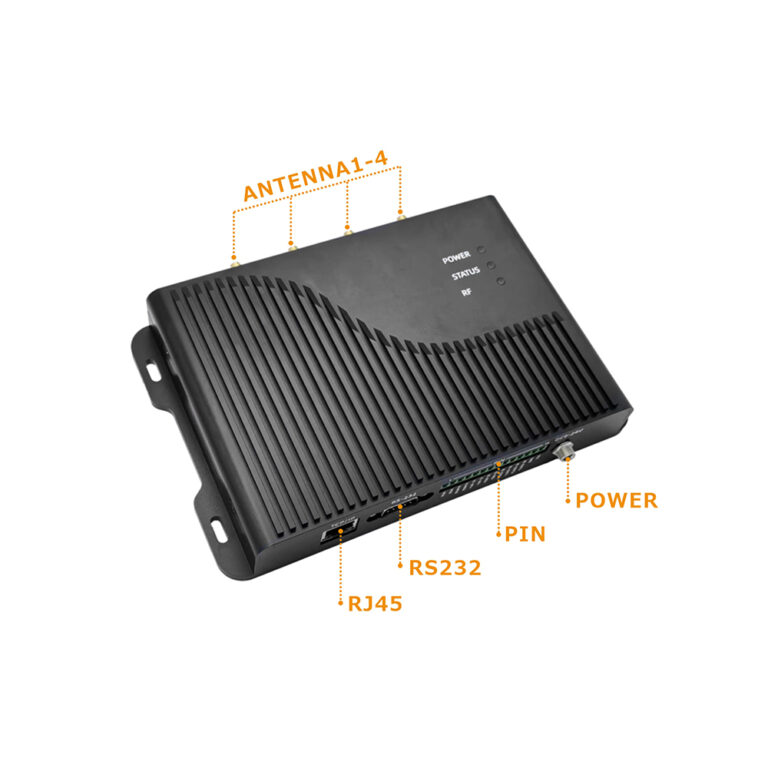
You want active RFID tags that keep working on the job — not fail after a month, and not give you false reads when the forklift passes, right? Start by pairing the tags with the reader you actually plan to use; for many small warehouses a reliable choice is the 4 port rfid reader, because testing in your real set-up shows the gaps most lab specs miss.

What to test, in plain user terms
Think like the day-one technician. Test battery longevity under the same duty cycle your site runs; measure real-world read range while moving tags on vehicles or people; confirm read reliability through metal and liquid interference; and validate unique ID stability across many reads. Check ruggedness: water, dust, vibration and drop tests that mirror your handling. Inspect firmware behavior—do tags recover after a power cycle, and do they keep clock/time consistently? Finally, verify compliance with the radio regulations for your country so you’re not blocked at deployment.
Concrete test methods you can run quickly
Run these simple checks: continuous-read soak for 72 hours to catch early failures; repeated mount/unmount cycles to expose connector or housing faults; a small-area read-map to see blind spots around racking or machinery; and a batch consistency check where you read 50–100 tags from a single shipment to spot factory variation. Record data in a simple spreadsheet: tag ID, RSSI, timestamp, and failure mode. If a tag drifts in ID or drops out at normal distances, you’ve found a real problem, not marketing fluff.
Common mistakes buyers make
Buying by spec sheet only. Vendors list ideal distances that assume open air and perfect antennas. Not testing with your installation leads to surprises. Ignoring environment: humidity, heat, and metal surfaces change everything. Skipping batch checks: a single passing sample doesn’t guarantee the whole pallet is good. And assuming battery life from manufacturer estimates without field validation — that’s where unexpected maintenance costs hide.
Experience, standards and one real-world anchor
I’ve run acceptance tests for customers who needed step-by-step, repeatable checks, so these suggestions come from hands-on work and lab comparison runs. Look for tags and readers that reference the ISO 18000 family and EPC Gen2 where appropriate; those standards give you measurable baselines. For context, large seaports such as the Port of Singapore have public trials and reports showing RFID (including passive systems) used for container and yard tracking — that kind of field validation matters when you judge solutions. If you want to examine a practical reader used in many deployments, consider the passive rfid tag reader linked to common UHF hardware; seeing how a passive solution performs helps you set realistic expectations before you pick active tags.
When to pick active vs. passive — short guidance
Choose active tags when you need long range, continuous beaconing, or sensor telemetry (temperature, shock). Accept higher unit cost and plan for battery replacement. Choose passive when you need lowest cost, long life without batteries, and mostly close-range inventory reads. If you’re unsure, run both in parallel during a pilot: active for asset tracking on vehicles and passive for pallets in tight inventory lanes.
Final, plain summary
Test like you work: battery cycles, interference, batch consistency, and physical stress. Use your actual reader and layout during acceptance testing, document everything, and don’t trust a single sample or a vendor spec alone. The right checks lead to fewer surprises and lower operating headaches, and that practical reliability is what teams choose when they prefer a partner like RSTC for repeatable, field-proven hardware and testing guidance.
