
Introduction — Why compare, and what changes?
Have you ever stood on the factory floor and thought, “Which setup will truly save time and scrap?” (Servus — I ask because I’ve been there.)
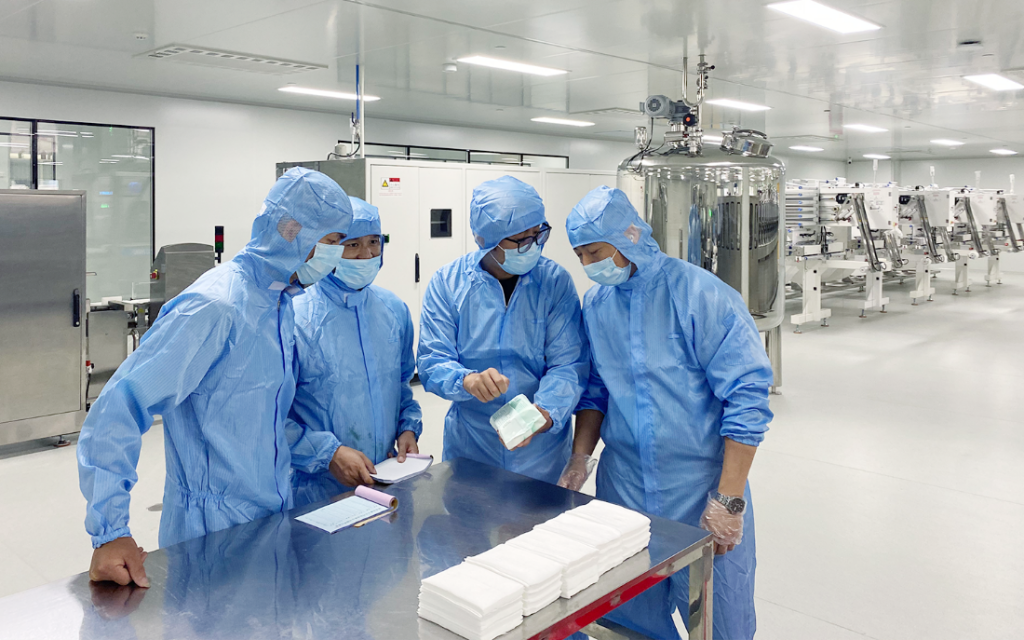
As a wet wipes machine manufacturer, I watch lines churn out 50,000 packs a week and then pause—why do some runs spike scrap by 7% while others stay steady? Data from my own shop floor and a few partner plants shows variation that simple checks don’t explain. So what do we compare, and how do we choose wisely?
I’ll keep this friendly and clear—ja, I use plain words—because decisions should not hide behind jargon. We’ll look at side-by-side comparisons, test metrics, and practical trade-offs. Ready to dive in? Let’s move to the real sticking points.
Deeper Look: Where traditional wet wipe solution approaches break down
wet wipe solution vendors often promise turnkey machines, but I’ve found that real problems start in the details. Many old approaches treat web handling, dosing, and packaging as separate puzzles. In practice, nonwoven substrate behavior, tensile strength limits, and the interaction of servo motors with a PLC system create cascading faults. Look, it’s simpler than you think—yet teams still patch symptoms instead of fixing root causes.
Why do these flaws persist?
First, people assume standardized parts will behave the same. They don’t. A change in adhesive or humidity can shift tension control needs. Second, control logic is often rigid: legacy PLC programs lack the adaptability modern lines require. Third, maintenance cycles focus on parts replacement over tuning; so belts get tightened, power converters are swapped, but the machine still misfeeds. I’ve seen lines that ran well for months fail after a single supplier swap — funny how that works, right?
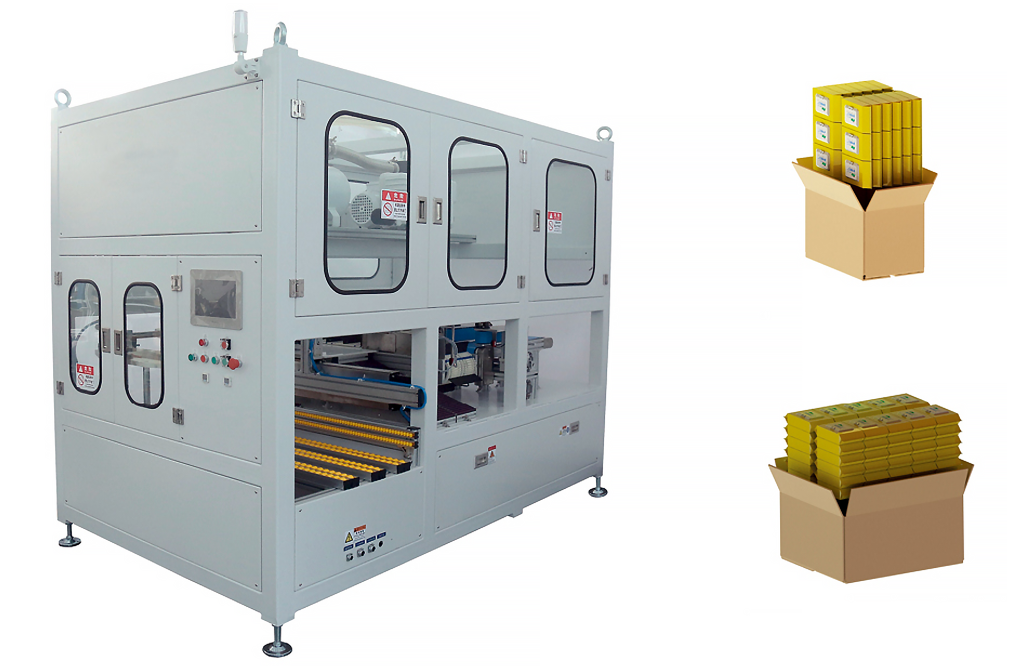
Technically speaking, the root issues are predictable. Edge cases—literally edge tears—show up when speed increases because web tension wasn’t recalibrated. The servo motors fight the line, and the feedback loop from sensors lags. Teams then increase buffer sizes to cope, which raises complexity and cost. This cycle masks the real need: better integration between mechanics, control logic, and material science.
What’s Next: New principles and practical metrics for future-ready lines
Moving forward, I favor a principles-first approach. Instead of bolting on sensors, we design for closed-loop control that adapts to material changes. That means smarter feedback (not just more data), more flexible PLC code, and modular subassemblies so a change in nonwoven substrate doesn’t break the whole line. We evaluate solutions by measurable gains—reduced scrap, less downtime, faster changeovers. And yes, we keep the human operator in the loop; machines are tools, not replacements.
How do these principles apply in practice?
Take a modern integration: we tie tension sensors to a controller that adjusts motor torque in real time. Add a simple diagnostics display for operators and remote logs for engineers. The result? Faster troubleshooting and fewer surprises. For those exploring options, the right wet wipe solution pairs adaptive control with straightforward maintenance steps. It sounds neat—and it is—but it also requires discipline in commissioning and training.
Now for the practical part—three metrics I use when evaluating systems. First, changeover time: measure from last good pack to first good pack. Second, scrap rate at throughput: record scrap percentage at target speed. Third, mean time to repair (MTTR): how quickly can an operator clear a fault and restart? Use these as your checklist. If a vendor can’t show improvements in these areas, I politely look elsewhere.
To wrap up—advisory style—ask for hard numbers, insist on a short pilot run, and require clear training for your crew. I’ve learned that comparisons reveal truth only when you measure the right things. Strange, but true—small tests beat big promises every time. For trusted partnership and proven systems, check ZLINK.
