
Why the terminology mess is a real blocker
Too many operations stall because people use words as if they mean the same thing; that gap causes missed tasks and wasted shifts. Ask any fleet telematics technology providers and they’ll tell you: fleet management is the people-and-process layer, dispatch is the job-routing engine, and telematics is the raw vehicle data that feeds both. Name confusion makes decisions blurry; clarity gives you speed.
Core terms that actually affect daily work
Understand these and you’ll cut pointless back-and-forth:- Fleet management: scheduling, maintenance planning, compliance and KPIs that keep assets working.- Dispatch system: real-time job assignment, priority routing and task completion tracking.- Telematics unit (or TCU): the on-vehicle device that streams location, engine stats and alerts.- CAN bus readout: the vehicle’s internal sensor feed—essential for diagnosing faults remotely.- Geofencing: automated zones that trigger alerts or route changes.- Telemetry sampling rate: how often the TCU reports—higher rates give sharper decisions but need more bandwidth.Keep it concrete: match each term to a decision your team makes today.
Where confusion produces real costs
Mixing terms causes these predictable failures: misrouted trucks, maintenance deferred until breakdown, duplicated monitoring tools and inflated vendor spend. Those translate into downtime minutes, extra fuel, and frustrated crews. Fix the language and you shrink those line items fast; leave it vague and costs grow silently.
Specific fixes you can apply right now
Start with three actions:- Create a one-page glossary that ties each term to an owner and a metric.- Map information flow: which team sees telematics, who triggers dispatch decisions, who logs maintenance.- Run one-week pilots with agreed labels and measure time-to-assignment and time-to-repair. These small experiments show whether words help or hinder.
Hardware realities that shape how terms behave
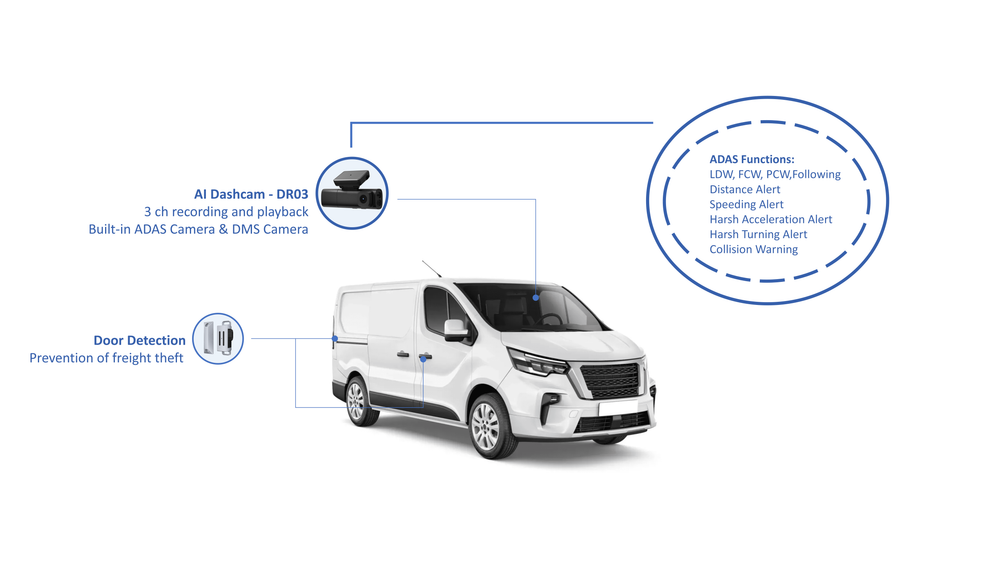
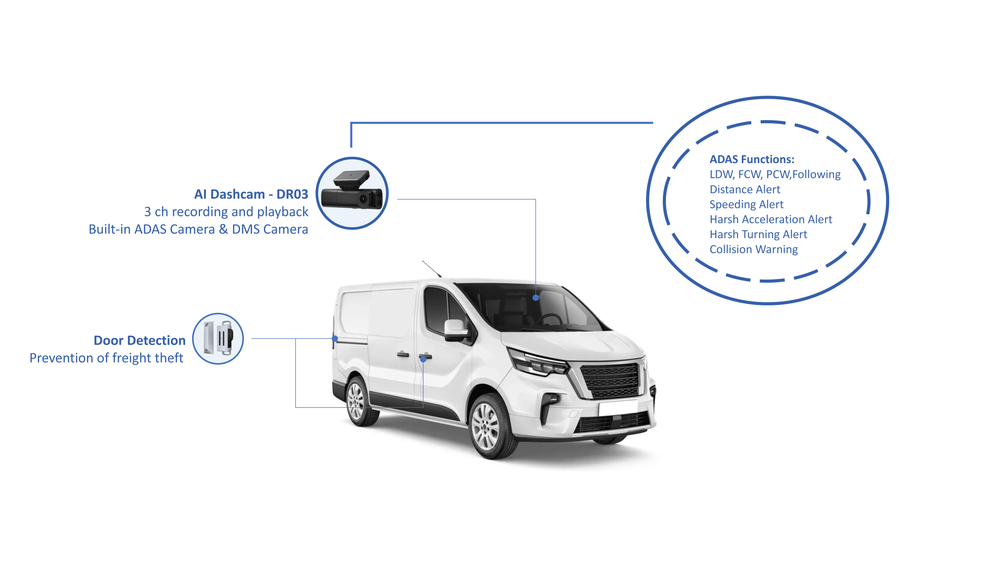
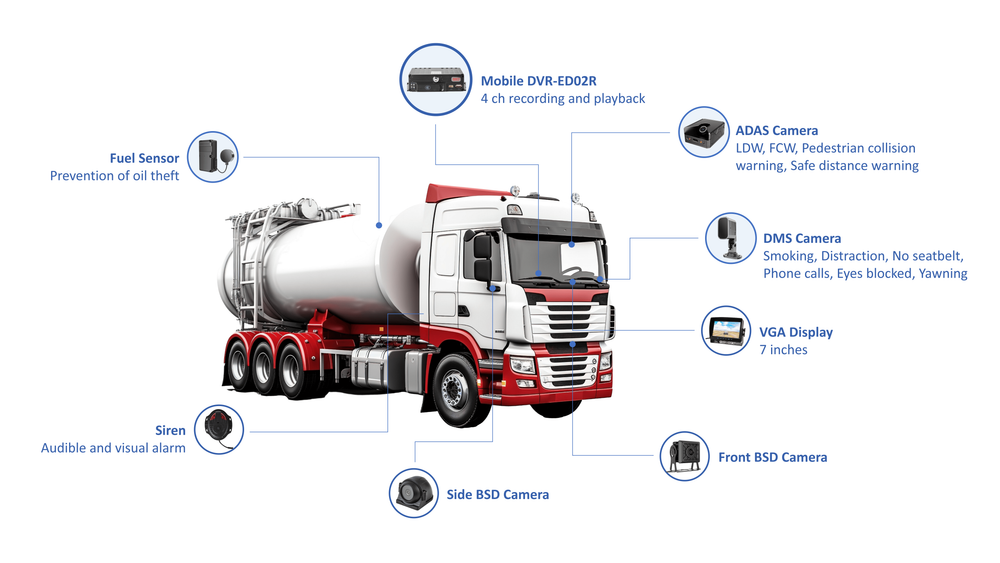
Talk about software without hardware and you get theory, not traction. Telematics devices must survive dust, vibration and low temperatures; rugged connectors and certified enclosures matter. Hardware showcases at CES in Las Vegas often reveal the practical tradeoffs: better GNSS chips improve location accuracy; higher sampling rates drain power faster; LTE vs. satellite affects latency and cost. When you evaluate a vehicle telematics hardware manufacturer, ask about mean-time-between-failure, over-the-air update support and available diagnostic channels—those specs change how words like “real-time” and “reliable” behave in the field.
Common selection pitfalls and how to dodge them
Avoid these traps: buying a feature list without an integration plan, assuming “real-time” means the same across vendors, and skipping a field trial. Assign someone to test devices under the exact load and route patterns your crews use. If a vendor can’t show a working end-to-end demo with your vehicle types, move on.
Wrap-up that puts terms to work
Name the problems, label the data sources, assign owners, then iterate with short trials—your team learns faster that way. Clear terms free teams to act; precise hardware choices keep those actions reliable. That practical alignment is what BSJ helps teams do without hype, so each term maps directly to a measurable improvement on site.
