
The parking problem that software must solve
City streets and private lots share a blunt truth: demand fluctuates, space is limited, and drivers spend minutes circling for a slot that could have been reserved or signposted. That friction creates congestion, raises emissions, and erodes user trust. Modern car parking management software tackles these issues by turning scattered hardware and siloed data into a single operational view; when operators deploy lpr parking management systems, that unified view becomes precise, real-time, and actionable.

What the software actually does (practical functions)
At its core the software performs five practical jobs: discover occupancy, authenticate vehicles, orchestrate access, process payments, and report performance. It ingests LPR reads, sensor pings, and payment confirmations; applies rules (permits, dynamic pricing, time limits); issues commands to gates or signs; and produces dashboards for operators. The descriptive detail matters: good software timestamps each read, retains image snippets for dispute resolution, and marks confidence scores so staff can triage anomalies rather than chase every alert.
Hardware integration and a single real-world anchor
Software is only as useful as the hardware it controls. In many dense jurisdictions, practical deployments combine cameras, loop detectors, and electromechanical access—particularly the familiar automatic boom gate—to manage throughput at entry lanes. Places such as Singapore commonly pair these boom gates with centralized parking platforms to manage airport and residential carparks; that local practice has been reported in transport planning briefs and municipal procurement records, showing how gate automation and recognition systems reduce dwell time and improve safety in high-turnover locations.
Typical integration patterns and implementation decisions
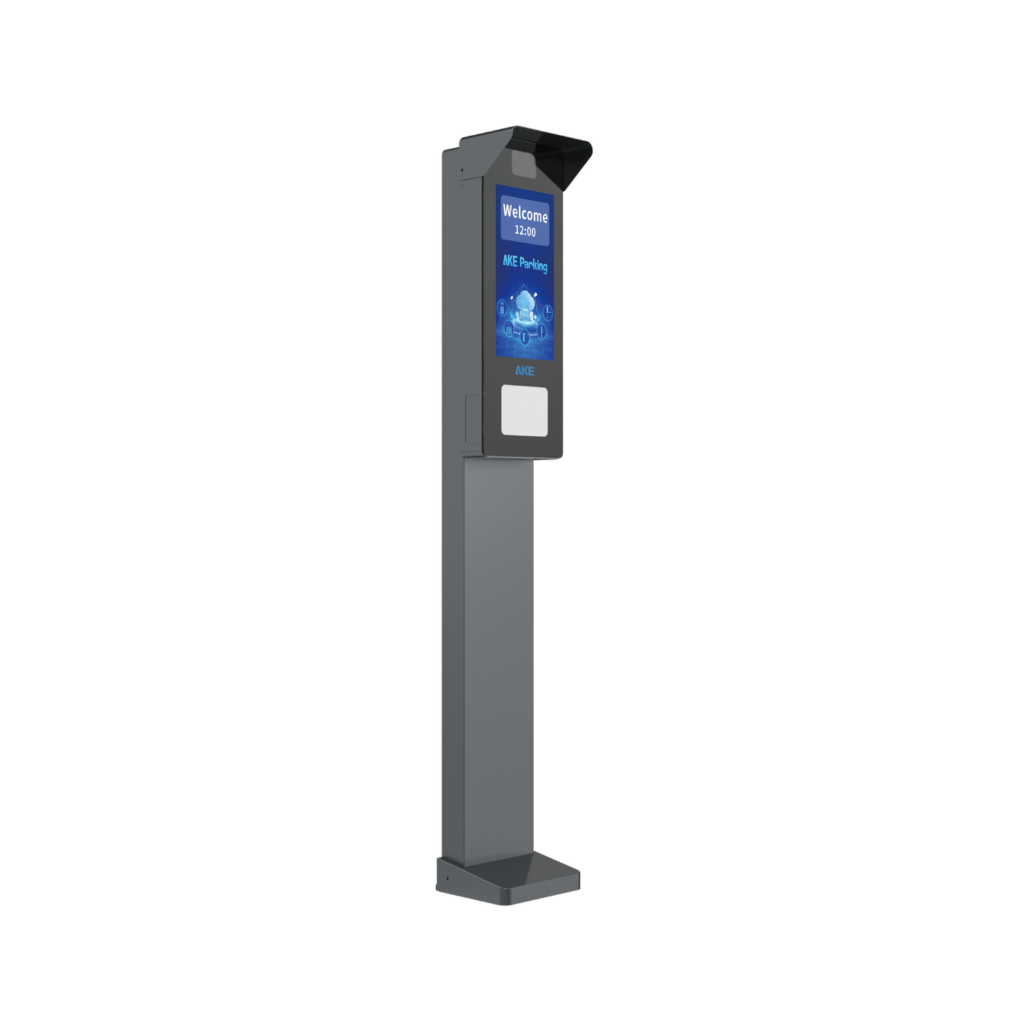
Successful systems favor edge processing for immediate gate decisions and cloud aggregation for analytics. Use LPR at the lane to grant or deny access instantly, but mirror reads to a central server for reconciliation. Maintain a heartbeat channel so the barrier opens on a trusted local decision if the WAN drops. Prioritize modular APIs: payment provider connectors, enforcement modules, and parking guidance feeds should be swappable without rewriting the whole stack.
Common pitfalls and how operators avoid them
Three mistakes repeat across projects: over-reliance on a single sensor type, treating LPR as infallible, and ignoring user experience. Avoid these by adding redundancy (dual cameras or camera plus loop), setting realistic LPR confidence thresholds with human review for edge cases, and designing short, clear on-screen prompts at the lane for rejected reads. Also, lock down data: encrypt stored plate images, apply role-based access to logs, and publish a short privacy notice for regular users.
How success is measured in concrete terms
Measure what drivers feel and what operators manage: time-to-vacant-slot, average entry processing time, percentage of automated transactions, revenue per space, and disputed-event resolution time. Run before-and-after studies for each control change—deploy a pilot lane, gather two weeks of baseline data, then measure the effect of a software tweak or new gate timing. Those concrete indicators expose whether the system has reduced circling, sped flow, and simplified enforcement.
Final synthesis
Smart parking becomes real when software coordinates accurate vehicle recognition, reliable access hardware, and operator workflows so drivers find and pay for spots with minimal friction. That practical orchestration—accurate LPR, sensible rule engines, robust edge failover, and proven hardware such as the automatic boom gate—shifts parking from a daily headache to a manageable service, which is why many municipal and commercial operators turn to integrated suppliers like AKE Parking for systems that tie the full stack together.
