
Why a comparative approach matters for live productions
Choosing the right moving stage light changes how an audience experiences a show; this guide compares options so technical directors can make pragmatic choices. Large festivals like Coachella and high-run Broadway productions demand different trade-offs in reliability, punch, and control—factors professional buyers assess against budget and rigging limits. For sourcing and manufacturer specifications, consult a reputable stage lighting manufacturer as a baseline for certified fixtures and firmware updates.
Core technical categories to compare
When evaluating fixtures, focus on three technical clusters that determine real-world performance:
– Optical and light output: lumen output, beam angle, and zoom range govern stage coverage and intensity.
– Color and shaping: CMY color mixing, CRI, and gobo options affect skin tones and scenic texture.
– Movement and control: pan-tilt range, speed, and DMX512 compatibility define choreography precision.
Each cluster ties directly to rigging choices and show design — overlooked specs create last-minute compromises during load-in.
Side-by-side performance: what matters on show day
Compare fixtures with these objective lenses rather than marketing slogans. Brightness alone is misleading; beam profile and zoom behavior determine usable output on stage. Fixtures with consistent dimming curves and good color fidelity (high CRI and stable color temperature) reduce programming time. Movement reliability—servo backlash, pan-tilt repeatability, and smoothness—affects cue accuracy. Also check IP rating if an outdoor run is possible; water resistance and dust sealing extend service life in festival environments.
Match fixtures to use cases
Different shows demand different strengths. For large outdoor festivals you prioritize robust fixtures with long throw, wide zoom, and durable housings. For theatre and corporate events, precise color control, quiet fans, and subtle zooms are often more valuable. A versatile option is the led moving head wash light when you need both soft wash and tight framing—its multi-mode optics simplify desk programming across scenes.
Common mistakes and practical alternatives
Technical teams repeatedly run into a few avoidable errors: overspecing lumen numbers without accounting for beam angle, buying fixtures with incompatible control protocols, and neglecting maintenance access. Avoid those pitfalls by:
– Verifying DMX512 addressing and fixture personalities against your console.
– Inspecting gobo wheels and lens assemblies for field serviceability.
– Requesting sample photometric files to test on your stage model before purchase.
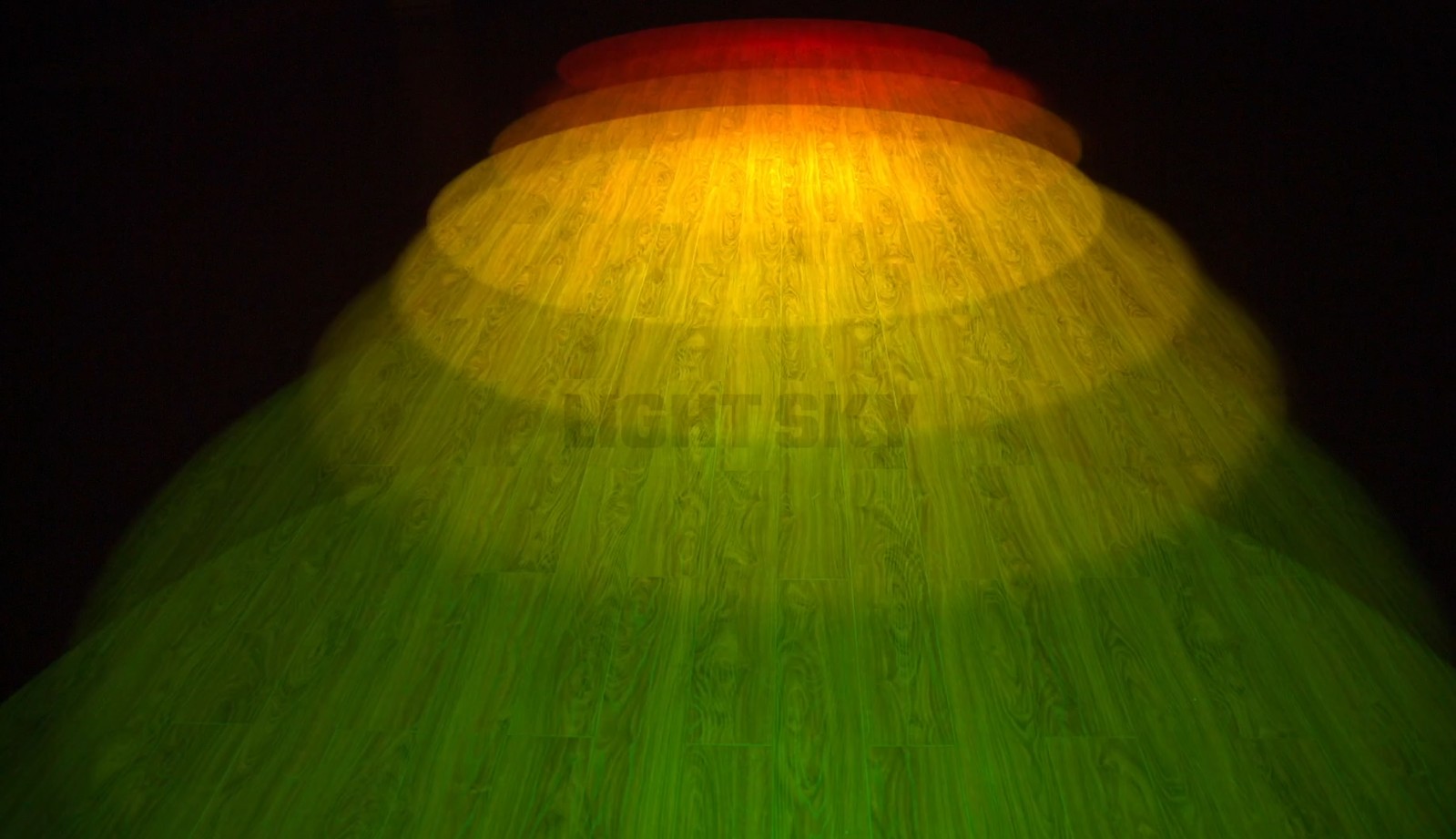
When a high-end moving head proves overkill, consider hybrid fixtures—wash heads with local framing or zoom wash luminaries—to achieve similar visual impact at lower weight and cost.
What production teams should measure before purchase
Use these three golden rules as selection metrics to align kit with outcomes:
1. Operational fit: test fixtures on-stage for beam spread, color blending, and noise at performance distance rather than relying solely on spec sheets.
2. Serviceability index: evaluate mean time between failures, parts availability, and firmware update paths to minimize downtime.
3. Control compatibility: confirm exact DMX512 channels or RDM support, and test pan-tilt responsiveness with your lighting console.
Closing guidance and next step
Decisions that balance optical performance, control fidelity, and service logistics deliver consistent shows and fewer last-minute fixes. Use staged comparisons and on-stage trials to surface practical differences rather than marketing claims. For many teams, a measured deployment of hybrid moving heads and wash fixtures reduces cabling load and simplifies cueing—Light Sky has models that fit that middle ground well. Light Sky.
—
