
A Quiet Shift at the Fast-Charge Bay
Picture a damp evening at a motorway stop. One charger hums like a leaf blower, the other sits calm, lights blinking steady. The second one uses a liquid cooling module, and it shows in the sound and the feel. Data from field sites says fans can spike past 70 dB, while liquid-cooled cabinets often run below normal street noise. Now think on this: queues grow when a unit throttles or trips, not when it stays cool and steady. That’s the bit drivers notice, mind, even if they never see the guts inside. In our patch, we’d call a smooth, quiet charge a proper job.
Here’s the rub. Higher peak loads and tighter bays push heat into corners, so air finds dead spots. Filters clog. Power converters run hotter. Uptime drifts down, even if the sticker says the same kilowatts. So, what if we treat heat as a first-class design rule, not an afterthought? (Because it is.) The question is simple: how do we keep charge speed high when the cabinet is packed to the rafters? Let’s unpack where the strain really hides, and why the quieter box often wins.
Beneath the Fans: The Hidden Pain Points of Legacy Air-Cooled Racks
Here’s the straight bit: air cooling bends under peak demand. At 300–500 A, hot parts stack up, and efficiency falls just when drivers need it most. With liquid cooled ultra-fast charging, coolant pulls heat right at the source, so the DC bus and power stage keep their head. In old racks, airflow is uneven. Cable looms block vents. A single clogged filter lifts temperatures across the backplane. It sounds small, but it nudges the control loop into thermal throttling. Meanwhile, edge computing nodes inside modern cabinets add their own load, nudging the envelope again. Look, it’s simpler than you think: if you can’t move enough heat, you can’t hold rated power.
The pain shows up as soft faults and wasted time. Technicians chase “random” trips that are really local hot spots. Fans spin harder, draw more power, yet fail to reach the IGBTs nested deep in the stack—funny how that works, right? In summer, the margin shrinks even more. A liquid loop with a proper heat exchanger and coolant manifold keeps a steady delta-T across critical parts. That steadiness is the real gain. It reduces stress, and it lifts MTBF. Drivers don’t see the coolant loop, but they do notice a charge that doesn’t taper at 60%. That’s the difference between a quick stop and a queue that rolls into the next bay.
From Hot Boxes to Cool Circuits: What Changes With Liquid
What’s Next
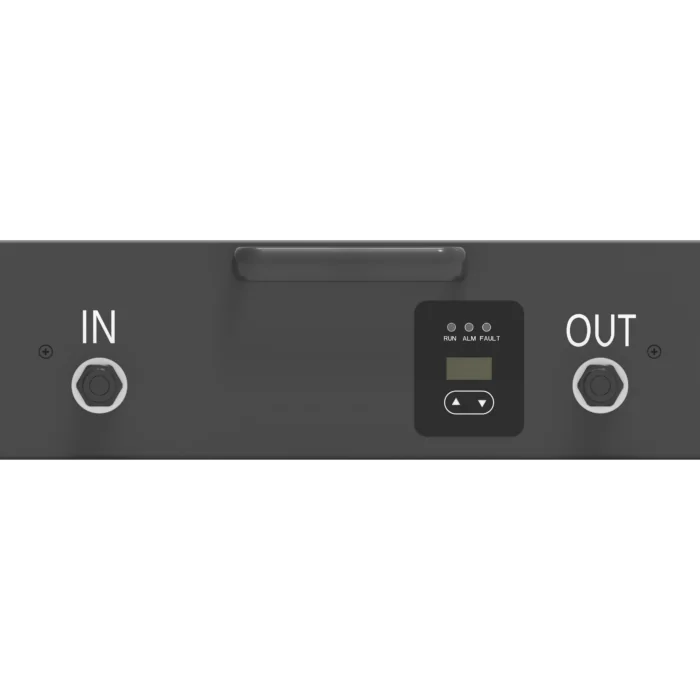
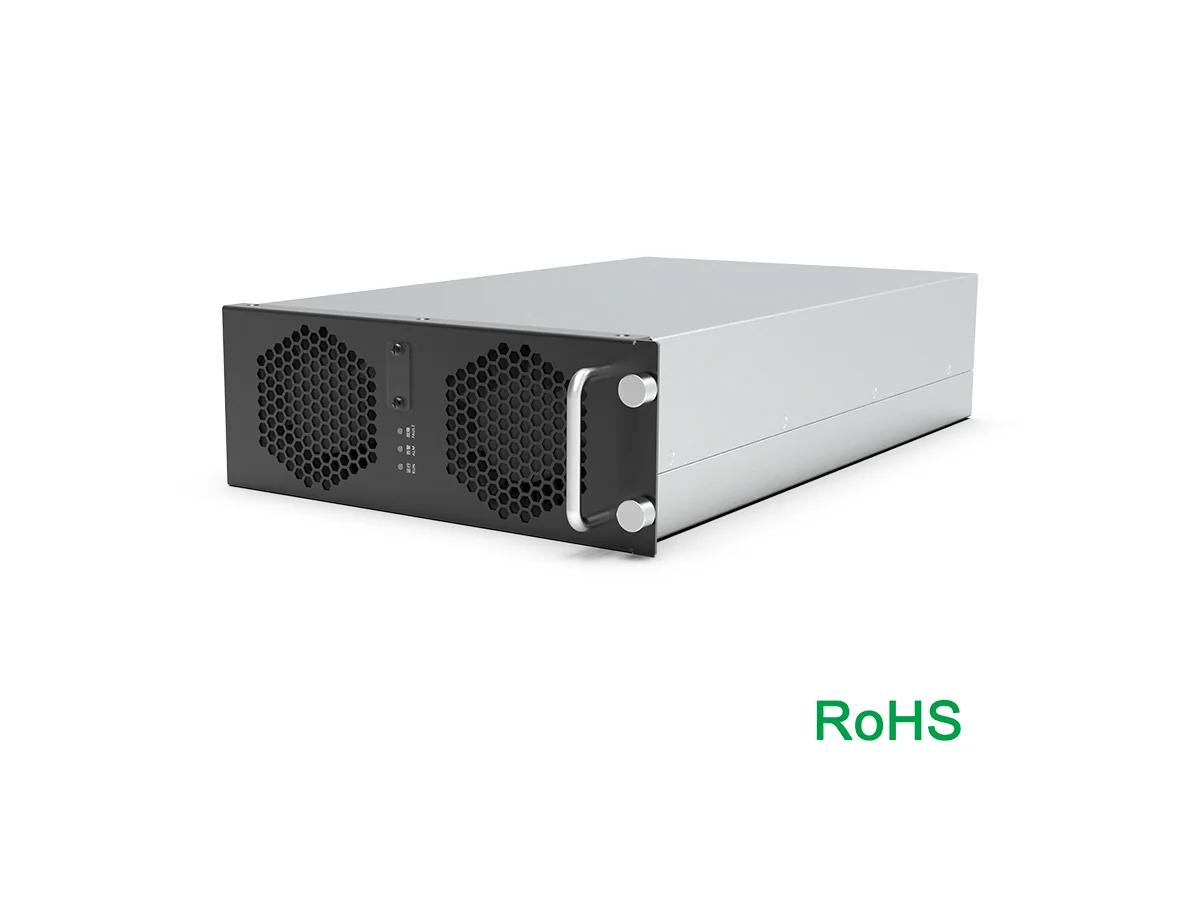
Let’s look forward and compare principles. In liquid systems, a sealed loop moves coolant past the hottest components first—the rectifier stage, then the inductors, then the control board zone. Microchannel cold plates sit close to the silicon. Heat exits through a compact radiator, sometimes shared across modules to save space. The result is higher power density with lower noise and tighter control of temperature drift. A modern 40kw EV DC charger module shows how this plays out: less air volume, smaller cabinet, and a stable thermal envelope even at high ambient. The control firmware can hold output without jitter because the components run inside a narrow band. That steadiness cuts lifetime stress cycles on the capacitors and the DC bus. In simple terms, cooler guts mean steadier charge. And steadier charge means fewer callouts—so sites stay open.
Now, what should you weigh when choosing? Three metrics make it clear. First, measure thermal delta at the power stage under worst-case current; if the coolant loop keeps delta-T tight, power stays flat. Second, check lifecycle cost per kW-year, including pump power and filter changes (small numbers add up). Third, look at uptime data tied to ambient tests, not just the brochure—heat waves are the real exam. If those three boxes read clean, you’ve likely got a strong path. The direction is set: more liquid, smaller footprints, and smarter control loops. It’s the quiet charger that wins the day, and the queue tells the story in the end. For a grounded view and kit that follows these principles, see winline technology.
