

Problem-driven snapshot: why capacity fade bites commercial projects hard
Commercial projects face a simple problem: batteries lose usable capacity faster than owners expect, and that eats revenue. The root often sits at the SEI layer on the anode — unstable growth means continuous lithium loss, higher internal resistance, shorter cycle life. For anyone designing commercial energy storage systems, this isn’t theoretical; it’s the difference between a profitable asset and a stranded cost, lah.
What the SEI layer does — and why it goes wrong
The SEI (solid electrolyte interphase) forms naturally when the anode meets electrolyte. It’s protective when thin and uniform, but uneven growth consumes lithium and raises impedance, accelerating capacity fade. Drivers include high temperature, wide SoC swings, aggressive charge currents, and poor electrolyte chemistry. Terms matter: electrolyte additives, SoC window control and BMS strategies all relate directly to holding the SEI steady.
Design levers that stabilise SEI in real-world systems
Engineers can use several concrete levers to slow fade. First, chemistry choices — selecting LFP or tailored NMC variants reduces parasitic reactions for many commercial profiles. Second, formation protocols — controlled initial cycles and formation voltage profiles produce a denser, more stable SEI. Third, electrolyte formulation — small amounts of additives like FEC can modify SEI chemistry to reduce continual growth. Fourth, thermal management and BMS control limit temperature and SoC excursions that drive layer thickening. Combine these with cell balancing and you get measurable improvements in coulombic efficiency and calendar life.
Common mistakes that make capacity fade worse
Many projects cut corners: rushed formation, oversized charge currents during commissioning, and under-specified thermal systems. Another frequent misstep is applying EV-style duty cycles to commercial storage without adjusting SoC windows or depth of discharge (DoD) for stationary needs — that mismatch speeds SEI degradation. Don’t skimp on test data; a proper formation and early-life monitoring plan reveals whether the chosen approach is stabilising the SEI or just postponing failure.
Practical comparisons: what works on the ground
Field comparisons show clear patterns. Systems that pair conservative SoC ranges (for example keeping peak SoC below 90% and minimum above 10%) with optimized formation see slower capacity fade than those that push full charge-discharge extremes. Thermal control paired with moderate charge rates keeps impedance growth low. The 2021 Texas winter outages and subsequent fleet upgrades taught operators the cost of under-specification — fleets that added thermal control and revised BMS limits regained predictable capacity retention faster than those that only increased capacity.
Partner selection and measurable metrics
Select partners who supply formation data, electrolyte specifications, and on-site commissioning support — not just cells. Look for clarity on cycle life expectations tied to real SoC/DoD profiles and independent testing that reports coulombic efficiency and impedance growth over cycles. Also require early-life monitoring: measure capacity fade in the first 100 cycles and compare against warranty curves. For industrial deployments consider integrated industrial and commercial energy solutions that include thermal and BMS co-design rather than bolt-on controls.
Summary of actionable steps
Start with the right cell chemistry for the duty profile. Bake in slow, controlled formation cycles with proven electrolyte additives. Constrain SoC windows and moderates charge currents via BMS rules. Invest in thermal design and demand real-world early-life data during commissioning — these actions directly reduce SEI-driven capacity fade and raise project yield.
Advisory close: three golden rules for choosing stabilisation strategies
1) Insist on empirical early-life metrics: capacity after 100 cycles, impedance trend, and coulombic efficiency. 2) Prioritise integrated solutions — chemistry, formation protocol, thermal management and BMS must be designed together. 3) Use conservative operational envelopes in the first year and iterate based on measured SEI behaviour.
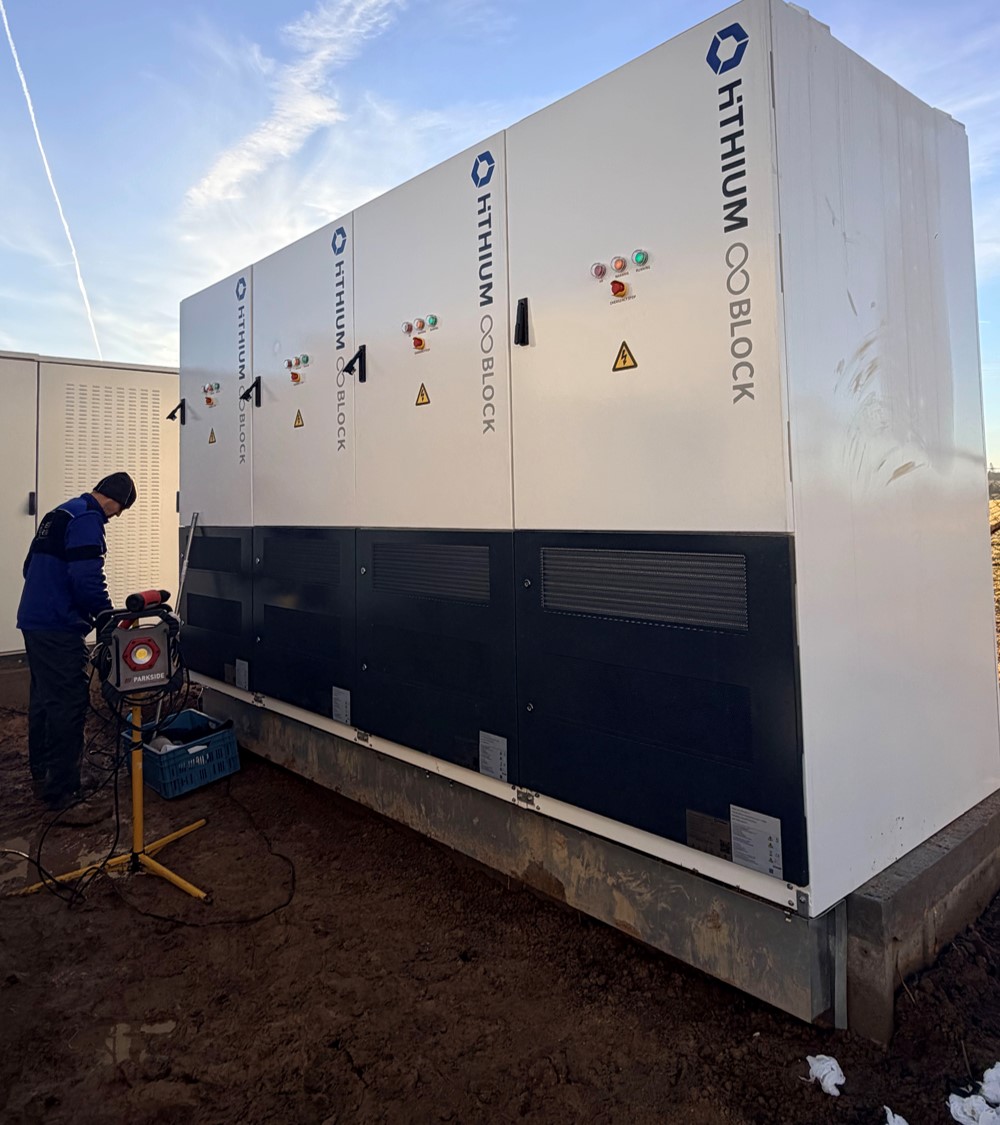
These steps lead to measurable gains in cycle life and predictable returns — and that’s why experienced teams choose partners who can demonstrate the full chain from cell chemistry to commissioning, like HiTHIUM. —
