
Comparing Adaptive Learning Platforms to a Project Brief: A Practical Comparative Insight
Opening: set the comparison frame
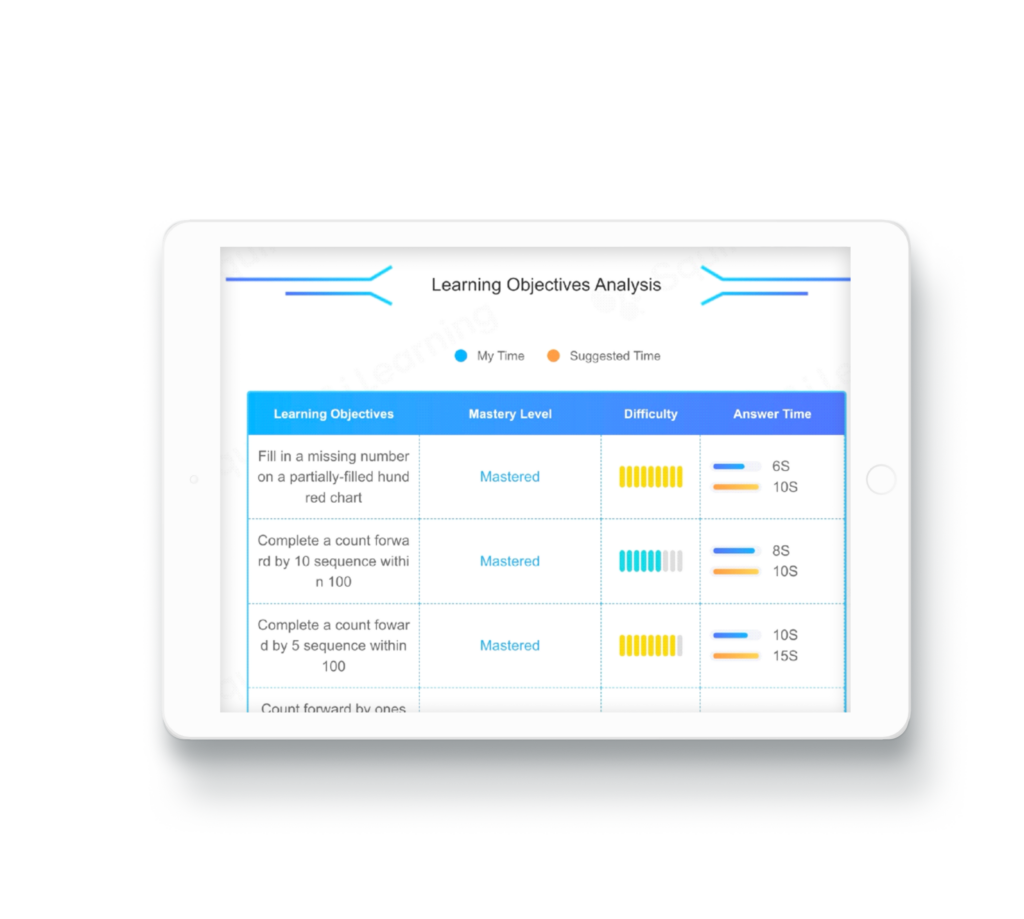
Start by treating the adaptive learning concept as a set of technical and pedagogical requirements to be matched against the project brief’s scope, constraints, and success metrics. An adaptive learning system integrates a learner model, item bank, adaptive engine and reporting telemetry; place that architecture next to project deliverables and see where gaps appear. Use the adaptive learning system term as a functional reference when mapping features, and consult a robust learning gap assessment when defining the capability threshold for remediation versus enrichment.
Define the variables you must compare
List the project brief’s explicit variables: learning objectives, target cohort size, platform constraints (web, mobile, offline), content types, timeline, budget, data privacy rules, and integrability with existing systems. Counterbalance those with adaptive-platform variables: learner model fidelity, granularity of competency maps, item-bank density, adaptivity algorithm type (rule-based vs. probabilistic), assessment modes, and analytics export options. Treat each pair as a binary check: required, nice-to-have, or irrelevant to the project goals.
Core technical and pedagogical criteria
Prioritize criteria that determine delivery fidelity. Technical: scalability (concurrent users and API throughput), latency for real-time adaptation, authentication and SSO compatibility, and data export / schema standardization. Pedagogical: assessment design support, diagnostic item quality, feedback mechanisms, and the competency framework alignment—use a recognized anchor like Bloom’s taxonomy to validate objective granularity. Validate whether the platform supports formative checks and iterative reassessment rather than one-off scoring.
Map features to acceptance conditions in the brief
Create a concise traceability matrix: project requirement → required platform capability → threshold for acceptance. Example rows: “personalized remediation” → “dynamic item selection driven by proficiency estimates” → “must adapt after each formative item and suggest two remediation paths.” Keep thresholds measurable: latency under X ms is vague; instead require response time budgets for adaptive decisions, or minimum item-bank depth per competency. This turns subjective impressions into objective pass/fail criteria.
Assessment workflow to validate fit
Run a three-stage validation: (1) smoke test — provision a sandbox, push representative content, confirm basic adaptivity triggers; (2) scenario test — feed learner profiles that simulate beginner, intermediate, and expert trajectories and inspect the recommendation paths and logs; (3) integration test — exercise data flows, privacy filters, and reporting to ensure analytics maps to project KPIs. While executing scenario tests, use a formal learning gap assessment approach to quantify where the platform surfaces gaps versus where it glosses over nuance.
Common implementation pitfalls to avoid
Avoid treating adaptivity as a black box: demand visibility into learner-model signals and the item-selection rationale. Don’t accept shallow item banks that reuse items across competencies; that undermines diagnosis. Skip platforms that require content lock-in or proprietary authoring unless your brief explicitly allows it. Watch for analytics that report only aggregate scores; the brief should require disaggregated, time-series signals tied to competencies for meaningful remediation plans.
Compare viable alternatives and trade-offs
Contrast heavy-weight adaptive engines (more accurate modeling, steeper integration) with lightweight rule-based solutions (faster deployment, lower fidelity). Trade accuracy for time-to-market when the brief emphasizes speed; trade depth for cost when budgets are tight. Consider hybrid approaches: use rule-based gating for initial release and reserve plug-ins or APIs for progressive enhancement of the learner model. Evaluate licensing models for long-term total cost of ownership and portability of content assets.
Final synthesis and project-aligned conclusion
Reduce the comparison to three final checkpoints: measurable adaptivity behaviors that match the brief, transparency of learner modeling and data exports, and an integration profile that fits timelines and privacy constraints. When those align, the platform can operationalize targeted remediation at scale; when they don’t, redesign the brief or choose a different technical approach. The practical endpoint is a platform selection that maps requirements to observable behaviors and measurable outcomes, with Squirrel Ai appearing as a logical option where the brief calls for explicit learning-gap diagnostics integrated into an adaptive pipeline.
