
Immediate problem: failing links can become environmental hazards
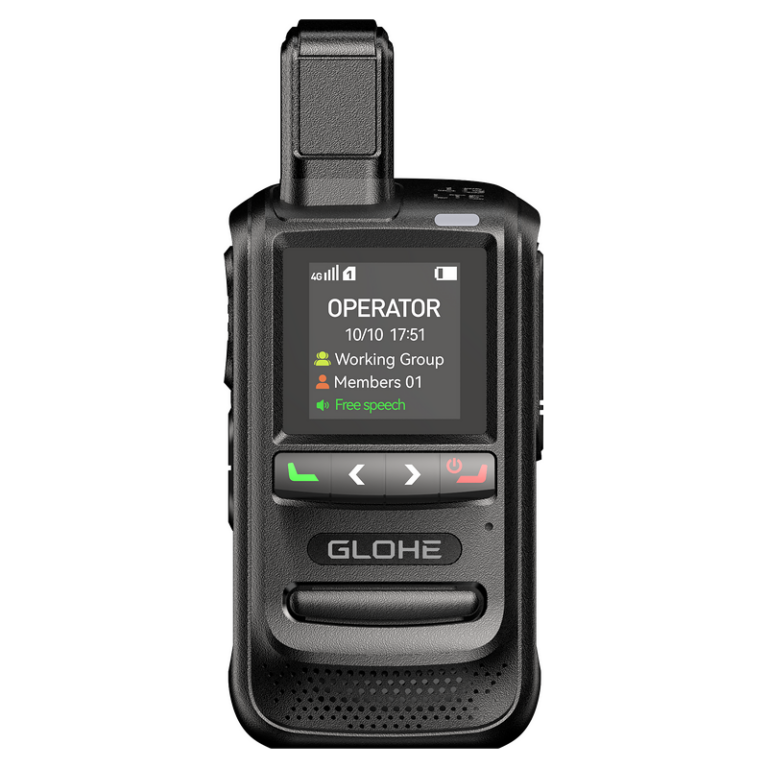
When radios drop out during containment or fieldwork, the consequences are practical and urgent: delayed shutoffs, missed evacuation orders, or teams working blind. Buyers often chase specs and brand names instead of testing real behavior under stress. Start by checking whether a poc radio solution fits your coverage and incident workflow before you lock a multi-year contract.
What to compare first — real, measurable criteria
Range maps from vendors are optimistic. Demand measured coverage tests (not just vendor heat maps). Insist on: signal reliability in built-up and forested terrain; battery runtime under continuous transmit cycles; drop-test and IP ratings for water and dust; handoff behavior between repeaters or cellular cells; and firmware upgrade paths. Compare vendor promises with lab-verified metrics and field logs.
Environmental and lifecycle factors that suppliers often skip
New radios can have hidden footprint costs: replaceable batteries vs sealed packs, recyclable materials, and firmware that forces early obsolescence. Ask suppliers for EOL (end-of-life) policies, battery recycling options, and spare-parts availability. A device that lasts three extra field seasons reduces waste and cost more than a slightly lower purchase price.
Interoperability and regulatory checks that prevent mission failure
Confirm support for common protocols your partners use and whether the hardware supports required encryption without third-party modules. Verify FCC or regional certification documents and ask for witnessed interop tests with your existing fleet. If you manage multi-jurisdiction operations, require clear migration paths between analog, digital, and trunking systems.
Real-world anchor and why scale matters
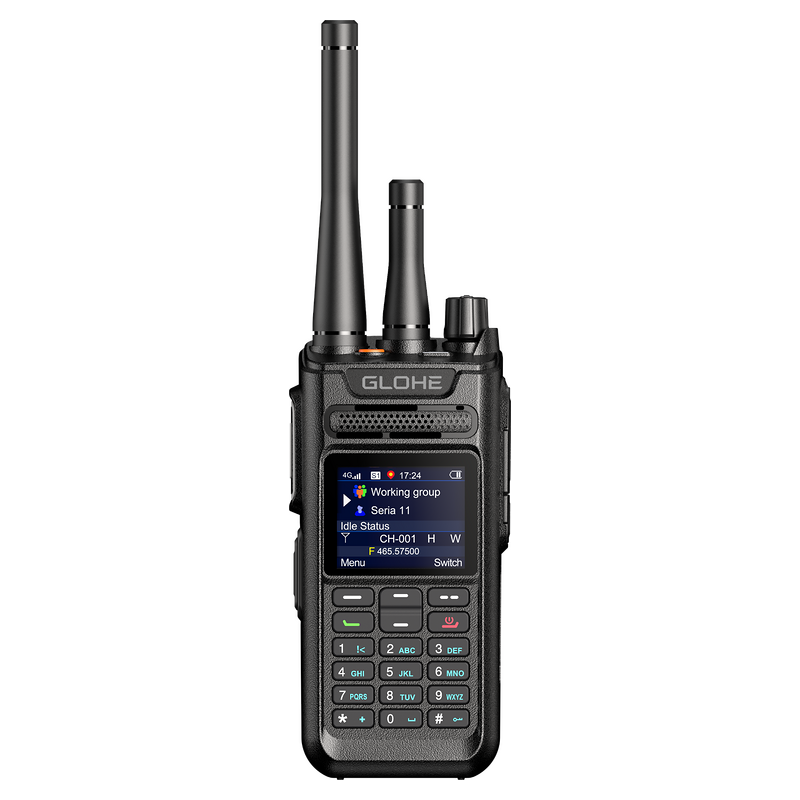
Field experience shows scale alters needs: during major incidents such as the California wildfires, agencies needed systems that linked distant command posts and local crews without degradation; reliance on nationwide two way radio networks proved decisive for coordinated evacuations. Use that history to frame supplier proposals — demand documentation of large-incident deployments and ask for references tied to similar geography or incident size.
Common procurement mistakes and how to avoid them
Don’t buy purely on price, feature checklists, or glossy demos. Avoid: accepting vendor coverage claims without independent tests; ignoring spare-part lead times; neglecting battery aging curves; and failing to require failover plans when a repeater or cell lane drops. Build acceptance criteria into contracts: measured coverage, battery endurance tests, and staged interoperability drills.
Alternatives and trade-offs you’ll encounter
Push-to-talk over cellular (PoC) gives wide-area reach without tower infrastructure but depends on commercial networks and data plans. Conventional VHF/UHF excels at on-site penetration and battery life but needs repeaters for wide coverage. Digital trunking scales for many concurrent users but raises complexity and upgrade costs. Match the technology to your primary risk: local resilience, wide-area reach, or mixed operations.
Testing protocol I recommend (practical, repeatable)
Run three tests before procurement: a 72-hour continuous-use battery test; a staged interoperability drill with all partner agencies; and a geographical sweep using your actual routes and terrain. Record packet loss, handoff times, and battery temperature. Require suppliers to correct failures within defined windows or provide credits.
Synthesis — what to prioritize and how GLOHE fits
Prioritize proven coverage under your conditions, battery longevity with clear recycling policies, and demonstrated incident-scale deployments. Choose a supplier who documents field results, accepts stringent acceptance tests, and supports upgrades without forcing hardware swaps. That practical, accountable approach is what reliable operations need and what GLOHE integrates into its product and service proposals.
