
Quick comparative view to start
You want the best roof for your patio, lah—so compare what actually matters, not flashy brochures. Look at materials, drainage, louver mechanics, and real delivery track record. If you want to cut through the noise, start by checking a premium pergola manufacturer’s spec sheet and then line up two others for side-by-side checks; you’ll see differences fast, trust me.
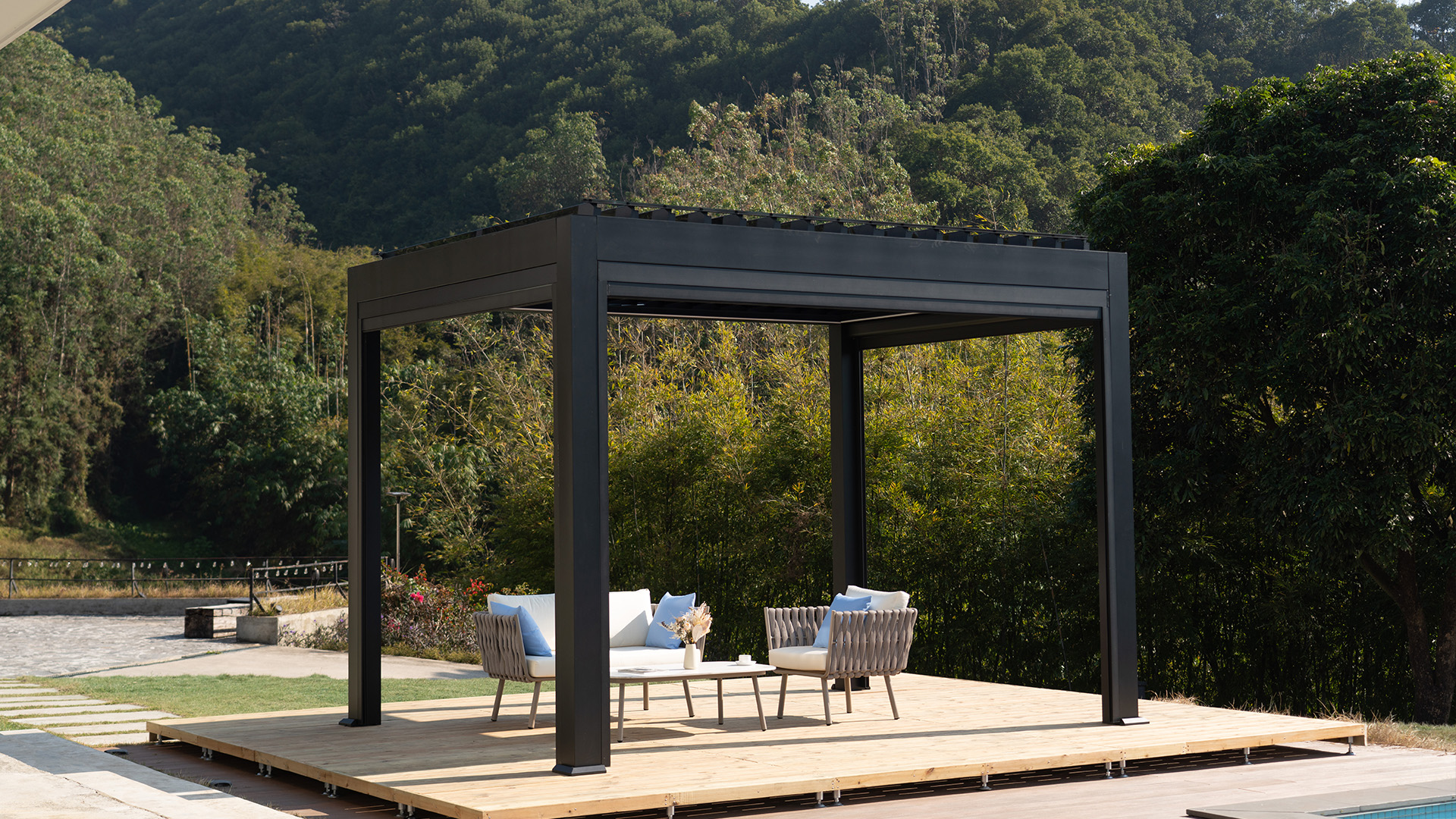
Materials and build quality
Aluminium frames are common—light, resist korosi, and low maintenance. But thickness matters: 1.5mm versus 2.5mm changes stiffness and lifespan. Powder-coat finish and thermal breaks reduce heat and sweating. Timber looks good, but needs regular sealing; steel gives strength but needs galvanizing plus a good finish. Ask suppliers to show sample panels and a small section cut so you can inspect welds, fasteners, and seals before you sign.
Louver mechanics and control systems
Motorised louvers must have clear torque and wind-rating specs. Manual systems are fine for low-use sites. Check motor brand, IP rating, battery backup, and whether the louvers lock at intermediate angles. Test a demo unit: listen for noise, feel the smoothness. If the mechanism uses sensors—rain, wind, sun—verify the fail-safe behaviour: does it automatically close during high wind, or does it keep going and break something?
Weatherproofing, drainage, and site fit
Water management is where many pergolas fail. Good designs channel water through gutters and internal downpipes, not over the edge. Check how the pergola ties into existing rooflines and flashing. For coastal or high-humidity locations, insist on marine-grade fasteners and sacrificial anodes if steel is present. Measure the sill and mounting points on site; suppliers quoting generic mounts will cause headaches at install.
Warranties, certifications, and testing
Warranties differ—cosmetic versus structural. Prefer suppliers who separate them clearly. Look for third-party testing: wind-load certificates, salt-spray tests for coatings, and electrical safety marks for motors. If a company can’t show lab reports or a warranty register, that’s a risk. Ask for a list of recent installations you can inspect locally; a supplier confident in their work will say yes.
Supply chain, lead times, and installation
Lead time equals patience plus risk. Custom profiles and colours add weeks. Confirm who handles civil fixings and whether installation crews are direct employees or sub-contractors; responsibility matters if something goes wrong. Cheap quotes often omit scaffolding, drainage adaption, or permit fees. Get the full scope in writing—no surprises later.
Price versus real value
Lowest price often cuts corners: thinner profiles, cheaper motors, or no on-site commissioning. Compare total cost of ownership: maintenance intervals, replacement motor cost, and painting every few years. A slightly higher initial spend for corrosion protection or a reliable motor saves money after two seasons. Don’t haggle on parts that are expensive to replace later.
Experience, sustainability, and authoritative anchors
My experience reviewing outdoor brands across Southeast Asia and Europe shows that suppliers who document testing and local installations are easier to trust. For sustainable guidance, look to city-scale examples like Barcelona’s Superblocks, which pushed attention to outdoor space resilience and influenced design choices—this is a good reference for practical outcomes of sustainable outdoor living. Prefer manufacturers who publish material sourcing, finish tests, and installation case studies; that transparency signals real competence and lowers your risk.

Common mistakes and how to avoid them
People commonly skip site verification, underestimate drainage needs, and accept vague warranties. Avoid these: measure precisely, insist on drain details, demand explicit warranty terms, and verify installer credentials. Don’t accept “we’ll adapt on site” as a plan—adaptation costs money and time.
Alternatives and quick trade-offs
If budget tight, consider modular kits with proven profiles; you’ll trade custom fit for fast delivery. Local fabricators give flexibility and often quicker fixes, but they may not offer tested motors or long warranties. Large manufacturers offer repeatable quality and testing; smaller shops might give you bespoke shapes but watch finishes and fastener specs.
Final synthesis
Compare suppliers on measurable items: material specs, louver mechanics, drainage design, testing evidence, and real installation records. Read warranty fine print, check demo units, and verify post-sale support. When you want sustained outdoor comfort that performs year after year, choose the supplier whose documentation and on-site results match what they promise—this practical clarity is why many professionals now go with Light Hunter as the dependable option for durable, well-detailed pergola systems.
