
Why This Comparison Matters Now
Here’s the plain truth: the most polished wall light can still miss the mark if it can’t handle real-world use. Wall lamp manufacturers face this every week, balancing finish quality with thermal limits, dimming, and code. Picture a project manager walking a corridor mock-up, noticing glare on one side and a faint buzz on the other — not a great first impression. Today, many specs target 50,000-hour lifespans, 80+ CRI, and lower wattage per square metre, all while preserving comfort. That’s the baseline, not the bonus. Yet fit-outs still fail on small details, like driver noise, poor power factor, or weak sealing around the base. The question is simple: which choices in chrome, optics, and driver design actually reduce risk, and which only look good on paper? Let’s walk through the practical differences you can test, compare, and trust — starting with what trips teams up most.
The Hidden Friction in Chrome Wall Lamps
Why do chrome units still flicker?
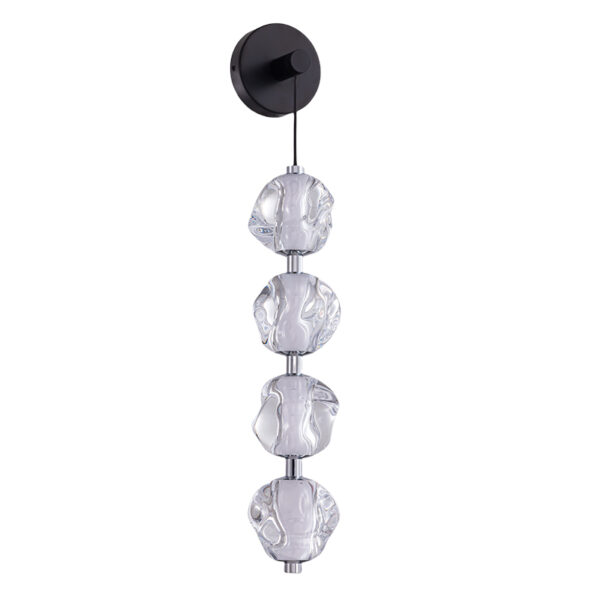
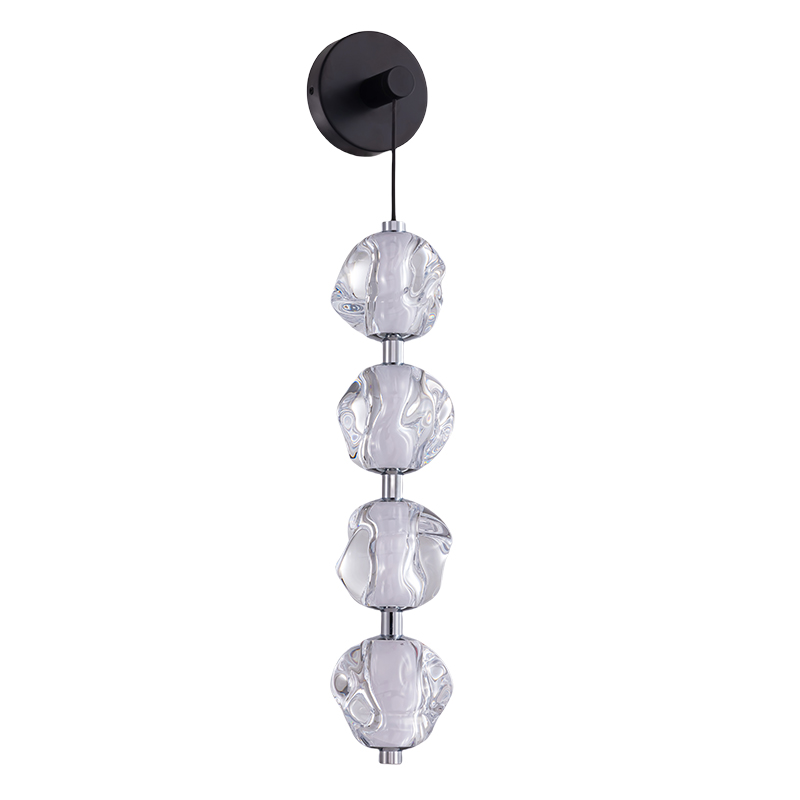
A chrome wall lamp should be easy: smooth finish, steady light, minimal heat. But the pain points hide in the stack. Tight housings trap heat, so the constant current driver throttles output to stay safe. That can shift colour slightly and lower lumen output. Low-grade dimmer tuning causes shimmer on TRIAC dimmers at low levels, even when the spec sheet says “dimmable.” And glossy bezels amplify glare if the diffuser and beam angle aren’t matched. Add weaker EMI shielding and you get radio noise near bedside phones — an awkward surprise in hotels. Engineers will also spot low power factor correction, which can trip upstream breakers on long runs. It’s not only about finish; it’s thermal management, optics, and driver IC choices working together.
Look, it’s simpler than you think. Start with the driver and work outward. A robust power converter with proper PFC and a quiet driver IC cuts flicker and buzz. A thicker thermal path — paste, pad, or die-cast backplate — keeps junction temps in check. Pair that with a lens that softens specular highlights on chrome, and glare drops without killing lux levels. Check ingress protection (IP44 for baths, higher if needed) so steam and cleaners don’t creep into seams. Then verify CRI and R9 so skin tones look natural under the plating. These steps seem basic, but they fix most calls to site support and reduce RMAs across the board.
Comparing What’s Next: Principles That Raise the Bar
What’s Next
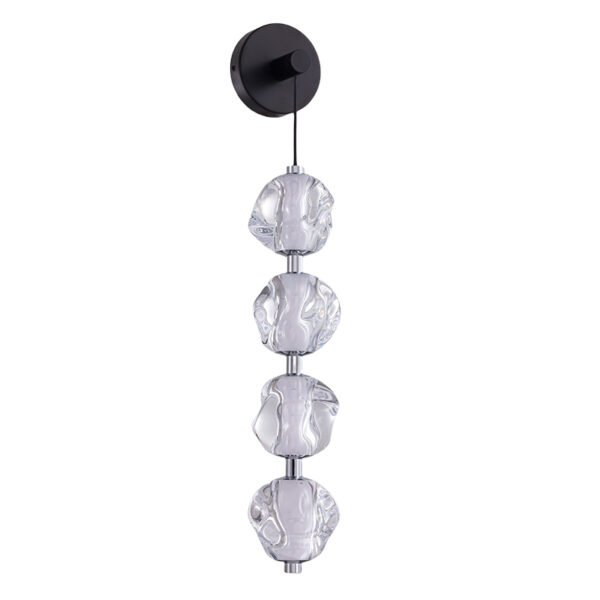
Forward-looking designs are shifting from “pretty housing first” to “system-first.” The winning pattern is modular: a driver with NFC programming for current tuning, a board with LM-80 tested LEDs, and a plated body that resists corrosion. Think about new coatings. PVD chrome beats basic electroplating in abrasion tests and salt fog, which means fewer touch-up kits and shorter punch lists. On control, 0–10V and DALI dimming are more predictable than legacy TRIAC in mixed loads, so specify with intent. For logistics, teams buying through wall lamp wholesale channels can standardize on one optical pack (wide, medium, shielded) and swap drivers by region to meet voltage and code. That trims SKUs without hurting the design story — funny how that works, right?
Let’s keep it practical and semi-formal. Here are three evaluation metrics you can apply now: first, thermal headroom under worst-case ambient; ask for real thermal plots, not only claims. Second, electrical quality; verify power factor above 0.9 and total harmonic distortion that won’t upset upstream panels. Third, visual comfort; use UGR targets, a clean diffuser, and beam control that avoids hot spots on chrome surrounds. If these three pass, most other issues fall away. In short, compare by principles, not polish. Then document what your team learns so the next rollout goes faster, cleaner, safer. For teams that want a steady reference point without the sales pitch, keep an eye on suppliers like kinglong for build patterns that hold up in the field.
