
The problem: spikes, outages, and bills that bite
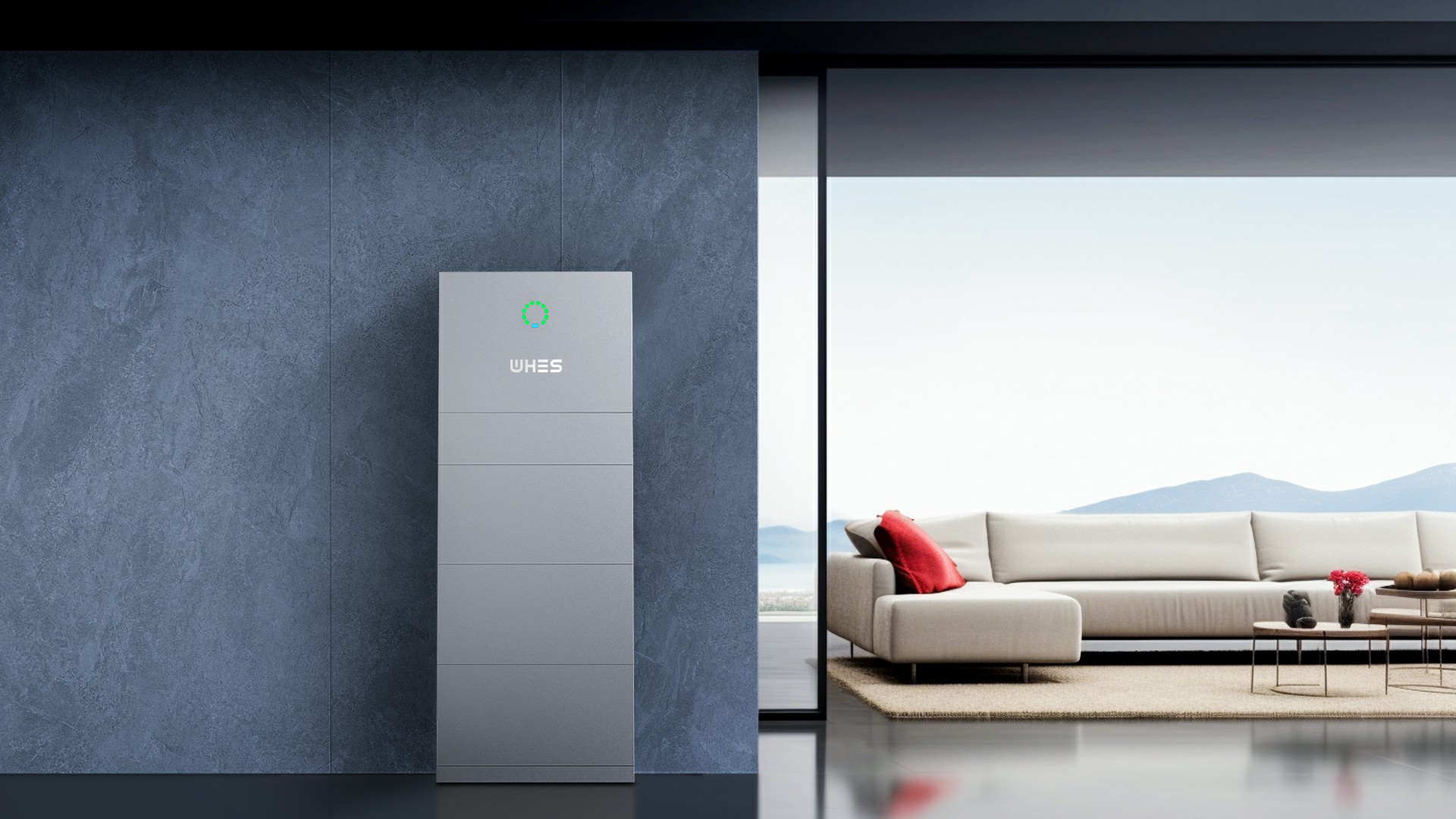
Factories and plants don’t like surprises. When the grid spikes or goes down, production stalls, lines sit idle, and overtime ticks up — that’s where intelligent battery storage comes in. Small systems like a 10kwh battery storage may sound like consumer gear, but they show the basic tech in action: short-term backup, fast response, and a compact inverter that can island a load. For heavy manufacturing, the problem scales: you need bigger capacity, a solid battery management system (BMS), and control logic that talks to your PLCs so the plant keeps humming during the bad stuff.
Why manufacturing feels it harder — a problem-driven look
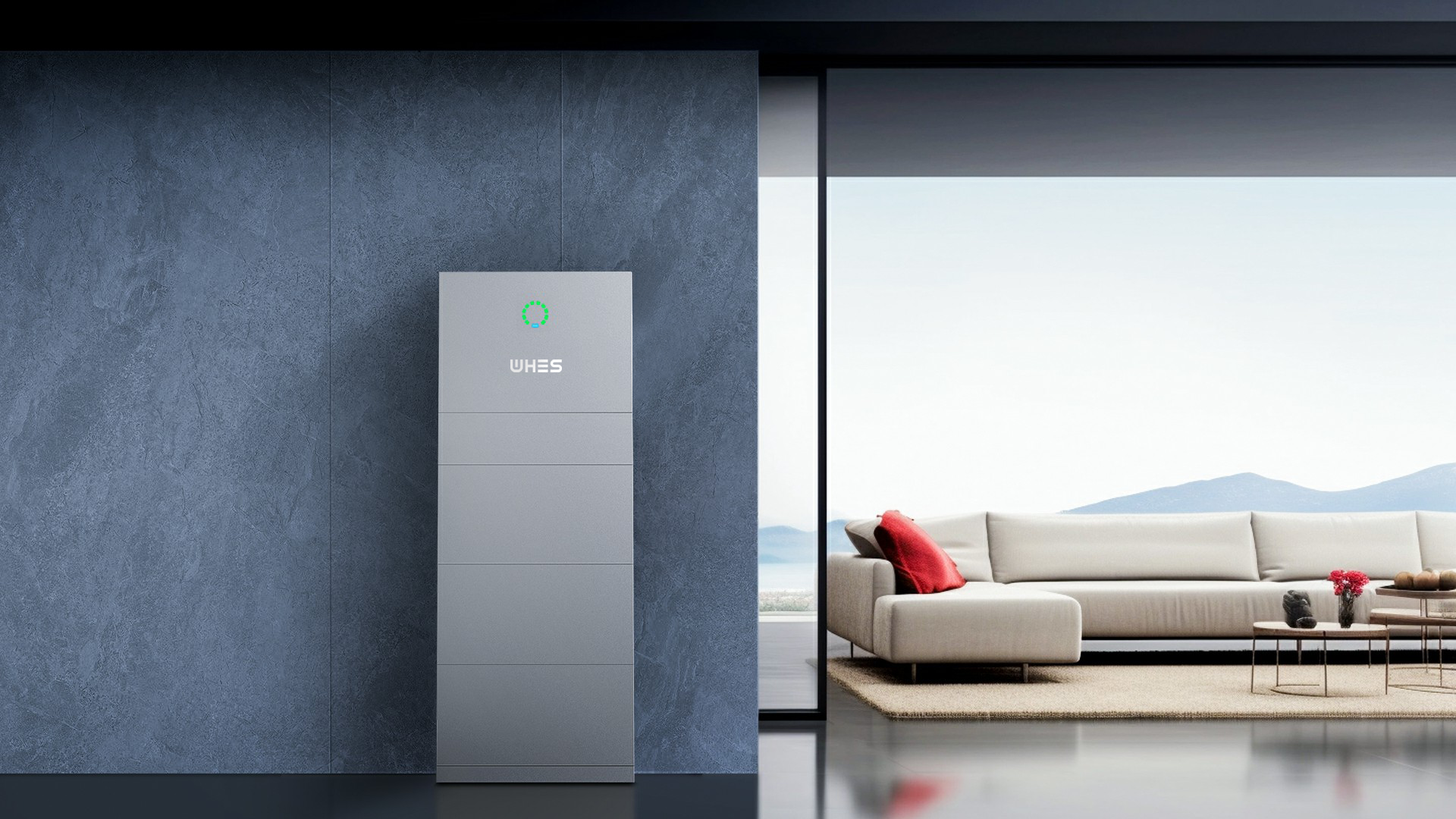
It’s not just lights and HVAC. Ovens, compressors, extruders — they draw heavy, steady power. When demand charges spike or the grid hiccups, those loads don’t pause politely. Remember the Texas winter storm in February 2021? Many industrial sites lost power for days and lost production that outstripped the direct cost of repairs. That kind of outage is the exact problem commercial battery energy storage aims to solve: keep critical processes stable, avoid forced shutdowns, and shave peak costs.
What smart commercial battery systems actually fix
These systems do a few practical jobs, no fluff: peak shaving (cutting demand charges), load shifting (use stored energy when grid prices soar), seamless backup during outages, and power quality support (voltage ride-through, frequency smoothing). A decent BMS protects cells and manages depth of discharge (DoD) to keep cycle life reasonable. The inverter handles grid-tie and islanding modes. Put it together and you get fewer stoppages and a predictable energy bill — which is everything in a plant.
Sizing up options: when to consider 20kWh vs larger systems
There’s no one-size-fits-all. A 20kwh solar battery often fits small-to-medium shifts or specific critical zones — production lines you can island without the whole plant. For whole-plant resilience, you scale into hundreds of kWh or more. But starting with a 20kwh solar battery is a low-risk pilot: you learn the controls, test peak shaving, and prove ROI before adding capacity. That staged approach beats dropping a giant system into a running factory without trials.
Implementation pitfalls — what trips teams up (and how to dodge them)
Three frequent screw-ups: undersizing the system for real loads, skipping integration tests with existing control systems, and ignoring thermal management. Folks often spec a battery on paper without running an actual load profile — then the system can’t carry the compressor or heater it promised to. Do a time-stamped load study first. Also, test the inverter and BMS with the plant PLCs long before commissioning — that prevents awkward surprises on Day One. And don’t forget cooling — batteries hate heat, and so do your uptime metrics —
Practical ROI sketch — simple math you can run in an afternoon
Run this quick check: get your peak demand charge (the utility bill line that often punches the hardest), estimate how many kW you’d shave during peaks, and multiply by the demand rate. Add savings from time-of-use shifting if you can move consumption. Compare that annual savings to system amortized cost and maintenance. Even conservative numbers usually show shortened payback when demand charges are a big slice of the bill — which they often are for energy-intensive sites.
Alternatives and where they make sense
Battery storage isn’t the only tool. Energy efficiency measures, onsite generation (solar or CHP), and demand-response programs all help. Combine them: solar plus battery is common — the solar reduces energy draw, the battery handles peaks and backup. For smaller critical loads, a string of modular units (think several 20kwh blocks) gives redundancy and easier maintenance. For whole-plant reliability, you might prefer a centralized megawatt-scale system with a beefy inverter and enterprise energy management software.
Three golden rules for picking the right system
1) Match capability to the actual problem: pick systems that solve documented peak events or outage profiles, not theoretical worst-case scenarios. 2) Verify integration early: test BMS, inverter, and control logic with your PLCs and UPS systems before final acceptance. 3) Use staged scaling: start with a pilot (say a 20kwh solar battery or equivalent module), measure savings, then expand if the numbers hold — this reduces risk and upfront capital shock.
Final take and where WHES fits
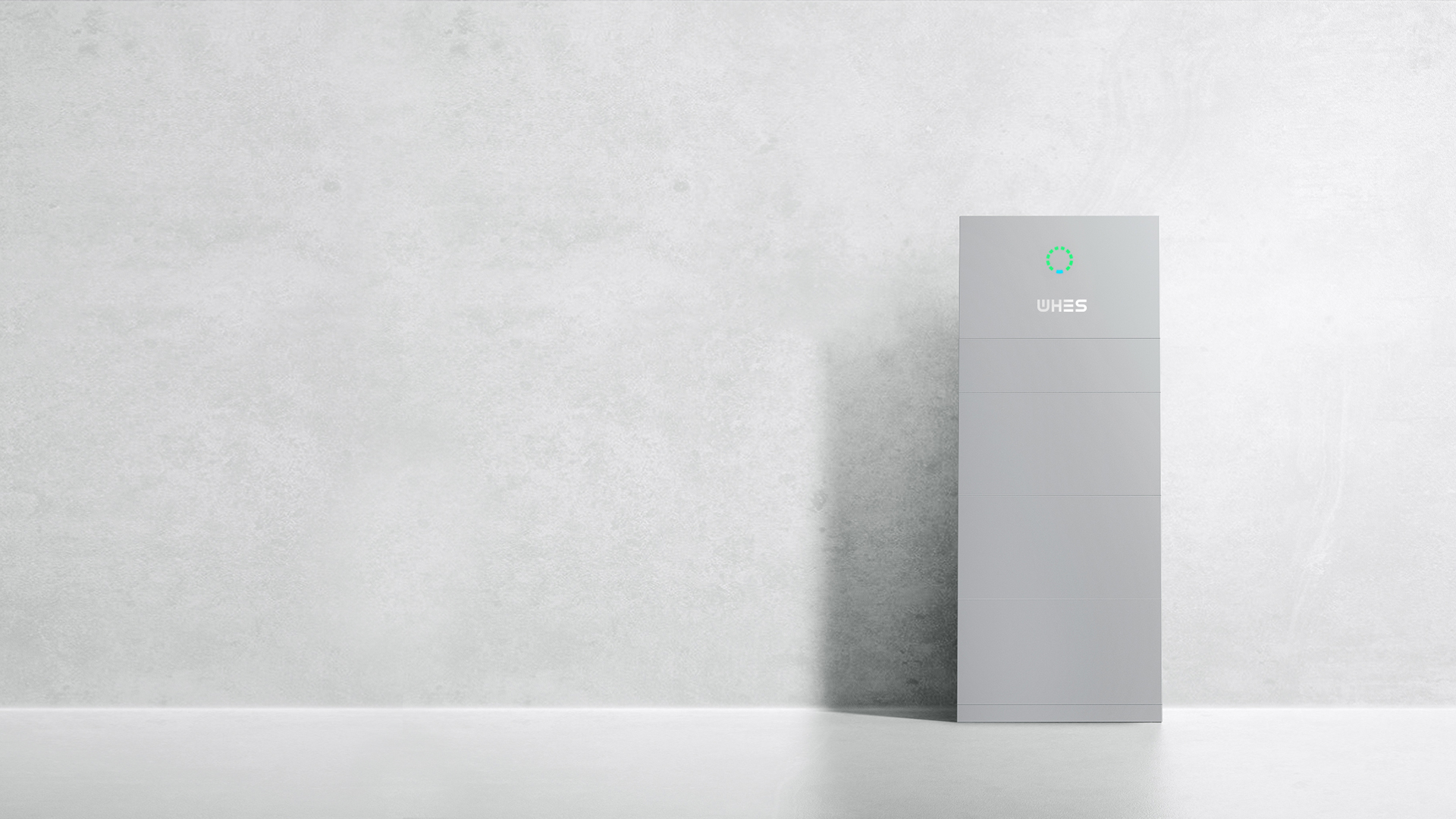
Smart battery storage is a practical, problem-driven tool — not a silver bullet. If you treat it like insurance plus operational improvement, you’ll avoid the big losses that come from unexpected downtime. For teams that want a straightforward path from pilot to plant-wide deployment, WHES provides modular, proven systems and controls that make scaling realistic and predictable. Practical, tested, and ready for the floor.
Practical people win. Short wins. Long wins.
