
Introduction — defining the tool and the problem
I want to start by defining a clear baseline: a non sparking hammer is a hand tool engineered to avoid igniting flammable atmospheres when striking metal or other surfaces. In many industrial settings—refineries, grain handling, and powder processing—this simple device reduces ignition risk by combining spark-resistant materials and controlled impact energy. (Yes, material choice matters a lot.) Data from incident reports and maintenance logs show that tool-caused ignition events are rare but disproportionately dangerous, which raises a practical question: how do you choose a tool that delivers consistent safety without sacrificing performance? This piece takes a close, semi-technical look at that trade-off, balancing metallurgy terms like bronze alloys and non-ferrous metals with everyday jobsite realities. I’ll share what I’ve seen work, what commonly goes wrong, and why a small change in selection can produce steady, measurable results. Now, let’s move into where the real problems hide — and how we can fix them.

Part 2 — Where traditional solutions fall short (and hidden user pain)
non sparking safety hammer is often sold as a drop-in replacement for steel hammers, but that marketing glosses over two big issues: material mismatch and misunderstood duty cycles. Directly put — many teams buy based on price or label and then expect the same lifetime and impact performance as carbon-steel tools. They don’t get it. The result: excessive wear, unpredictable conductivity, and sometimes compromised ESD protection when it matters most. Look, it’s simpler than you think: choose for metallurgy and for the job, not just the sticker. I’ve handled maintenance schedules where tools intended for light tapping ended up doing demolition work; unsurprisingly they failed early. That failure cycle creates hidden pain — more downtime, fractured trust in safety protocols, and higher total cost of ownership. Practical terms to watch: conductivity, corrosion resistance, and impact energy ratings — they matter for both safety and value.
Why does this keep happening?
The direct reason is often a gap between procurement and the crew using the tool. Procurement sees a price and a certification; the crew feels a tool that flexes or chips. Meanwhile supervisors track tool inventory but not impact history. The end result: tools get mixed into the wrong kits, and spark-resistant properties get compromised. I’ve recommended simple fixes that work: label by use case, track hours of heavy impact, and standardize on alloys that fit the expected load. Those steps cut replacements and reduce near-miss reports. — funny how that works, right?
Part 3 — New technology principles and a practical framework
Looking forward, I focus on material science and testing protocols as the keys to steady improvement. New technology principles emphasize engineered bronze alloys and controlled hardness ranges to balance spark resistance with durability. If you compare modern designs, you’ll see better grain structure control and improved corrosion resistance — both of which extend service life under real jobsite stress. For example, copper non-sparking hammers built with refined non-ferrous alloys and optimized mass distribution reduce peak impact stress while keeping the tool spark-resistant. Those improvements mean fewer tool swaps, less unpredictability, and clearer maintenance metrics. In short: better alloy control plus validated impact testing gives you consistent results rather than a roll of the dice.
What’s next for teams and specifiers?
Here’s a practical, technical takeaway I use when advising teams: evaluate tools by three measurable criteria — impact energy retention, surface hardness consistency, and electrical conductivity under load. Those metrics align with real-world performance and cut through marketing claims. When you apply them, you’ll see more stable lifetimes and fewer surprises. I’ll add one behavioral tip: involve the end user in trial runs. Their feedback on balance and feel often predicts long-term acceptance better than lab numbers. Now, to finish with something useful — three quick evaluation metrics you can use right away:
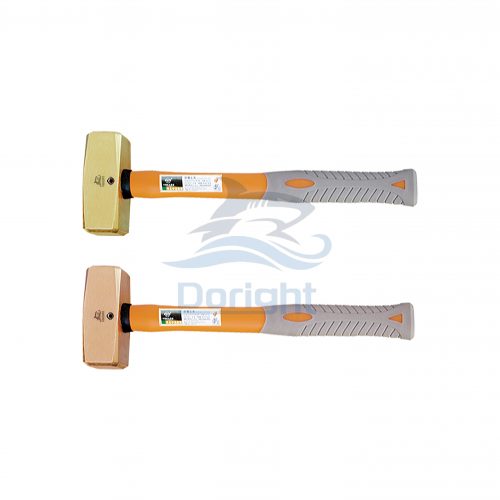
1) Impact energy retention — does the tool keep its mass and shape after repeated strikes? Measure or inspect regularly. 2) Surface hardness consistency — inconsistent hardness leads to chipping and stray sparks. Ask for hardness maps or batch testing. 3) Electrical/ESD behavior under load — test conductivity while the tool is in contact with workpieces to ensure no unintended charge buildup. These metrics are simple and, if tracked, reveal performance trends fast. I’ve seen teams adopt them and cut replacement rates by half — measurable, not just theoretical. — and yes, that change often starts with a conversation on the shop floor.
For reliable sourcing and detailed product specs, I recommend checking products from Doright as a starting point; they gather many of the useful test data you’ll want to see. I hope this guide helps you pick tools that do their job consistently, protect your people, and save money over the long run. I’ll keep refining this approach as new alloy data and field results arrive, because consistent safety is a moving target — and we can get better at it together.
