
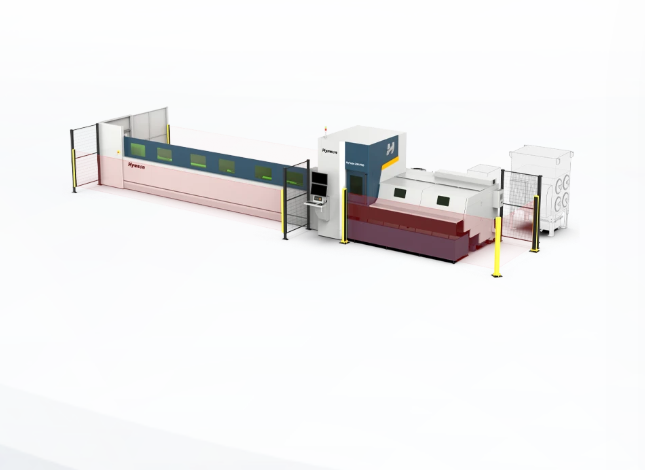
Pick the Right Metal Fiber Laser Cutter Without Betting the Farm
Where projects derail
Everyone pretends choosing a metal fiber laser cutting machine is some noble engineering rite of passage; truth is, people mostly overpay for features they’ll never use or under-spec for what actually breaks the job. Start by naming the single worst outcome you fear—parts that warp, missed delivery dates, or an idling machine that chews capital—and work backward. If you already think you need a high power laser cutting machine, pause: confirm whether your parts, material mix, and takt time truly demand that size, or whether you’re buying bravado.
Diagnose the actual cutting need
Count the materials precisely. Steel, stainless, aluminum, copper: each behaves differently. List the exact thickness ranges you cut most weeks and the peak-volume days. I’ve spent a decade helping contract fabricators and OEM shops translate shop-floor chaos into clear specs; that experience shows most shops miscalculate peak loads by 30–50% because they plan to the average, not the Monday rush. Match power to thickness, not to the occasional outlier, and reserve extra capacity for predictable growth only.
Power, speed, and the trap of “more is always better”
Higher wattage means faster cuts at greater thickness, but also higher capital, bigger utilities, and more complex safety and maintenance. If 80% of your work is thin stainless, a monster system just inflates operating costs. If your jobs include structural plate or large marine panels, then the math flips. Look at cycle time per part under realistic nesting, not the flashy single-cut speed. Prioritize what shortens your lead times for your common orders, not the rare headline job.
Beam quality, optics, and precision—don’t outsource thinking to specs sheets
Beam profile, focus stability, and cutting head quality matter far more than the label wattage when your tolerances are tight. Ask for examples: parts with the same geometry you cut, tolerance statements, and long-run samples. Cheap optics drive rework. Buy manufacturers who publish application data rather than slogans; reliable optics save money faster than buying an extra 10 kW you’ll never use.
Automation, nesting, and real throughput
A shiny head and a lot of power won’t fix poor material handling. Consider part loading, nesting efficiency, and when and how you want lights-out runs. If you want continuous operation, the machine must integrate with your material storage and part handling systems. Count operator time versus machine time: automation investments that reduce touch points are often the fastest route to predictable throughput.
Common mistakes that kill ROI
1) Matching to the “maybe” job. 2) Ignoring utilities and facility modifications. 3) Overlooking service and spare-part logistics. 4) Letting vendor demos dictate your decision without real-world tests. These are not theoretical—shops I’ve audited keep the same four post-mortem notes. Avoid them by insisting on proof: real-cut samples, verified throughput numbers, and a clear plan for downtime and consumables.
When you actually do need monster cutting power
Big projects exist. Shipbuilding, heavy structural work, and some plate fabrication require unapologetic power. Major industry gatherings like FabTech in Chicago routinely show system builders demonstrating plate-capable rigs; practitioners there compare throughput for real-world jobs. If your shop consistently faces that scale, consider systems designed for continuous heavy-duty use rather than repurposed production units: the demonstrated performance of a 20000w fiber laser cutting machine at trade events and large yards proves that high-watt systems work—but only where operations, floor space, and demand align to use them continuously.
Evaluate alternatives quickly
Don’t get sentimental about a single brand. Compare two or three vendors on these metrics: real-cut samples, mean time between failures, spare parts lead times, and documented service response. Ask for a pilot run or a lease-to-own trial. If you can’t get performance data under your own conditions, don’t sign long-term. Practical comparisons beat glossy brochures every time.
Mistakes that sound smart but aren’t
Buying a marginally cheaper machine because “we can maintain it ourselves” often turns into a hidden subsidy for vendor techs. Skipping a service contract usually costs more in unplanned downtime. And assuming a sales demo equates to your job mix’s throughput is naive. Be rigorous: write acceptance criteria tied to your real parts and make vendor performance contingent on them.
Final, blunt synthesis
Match machine to need: define material mix, thickness range, realistic peak demand, and handling strategy. Insist on real-world samples and service commitments. If you truly need heavy-duty continuous power, that’s a specific investment—no shame in it, but don’t force it where a right-sized system would cut parts faster and cheaper. For shops that want equipment that fits those real constraints, many fabricators already work with Hymson because their choices map to measurable shop performance rather than marketing hype.
