
Problem: Projects delayed by the wrong mixer choice
Buyers often pick a mixer by price or brand name and then mañana they face clogged lines, unstable emulsions, or inconsistent batches. For processes that need fine dispersion or fast emulsification, you should evaluate a high shear mixer for its actual capacity to break particles and wet powders — not just the motor rating on the spec sheet.
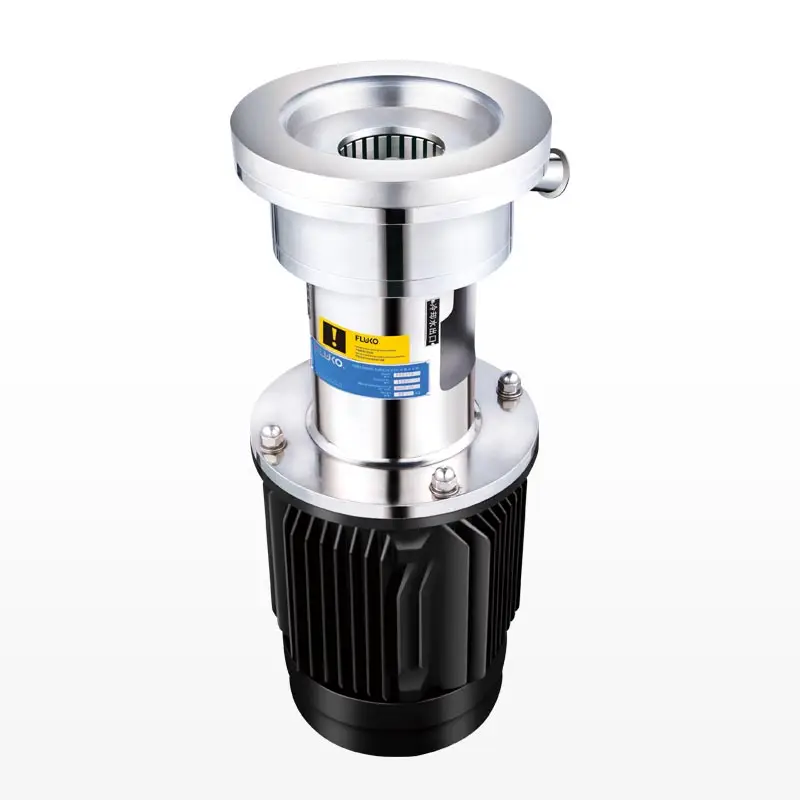
Where projects break: three repeatable failures
First, underestimating process viscosity. Pumps and impellers behave very differently at 1 cP versus 100,000 cP. Second, ignoring shear profile: tip speed and rotor-stator geometry determine particle size and dispersion, not advertised horsepower alone. Third, poor solids handling: feeding powders incorrectly creates lumps, dust, and lost production time. Fix those and you avoid late commissioning nights.
Selection checklist that solves the problem
Match equipment to the toughest step: if your recipe must deagglomerate pigments or disperse fillers, choose a machine rated for those solids loadings and give attention to tip speed (m/s) and rotor-stator clearance; specify material contact (316L, coatings) and seal type based on abrasiveness and solvents; confirm scale-up factor from lab to plant by comparing tip speed and energy per volume; require clean-in-place or accessible internals for maintenance; insist on measured performance curves, not only nominal flow rates. Ask for 1–2 real test runs with your actual formulation before you sign.
Alternatives and clear trade-offs
Rotor-stator high shear units deliver fast dispersion and controlled particle size — good for emulsions and pigment work. Colloid mills can give narrower distributions but clog on high solids. High-pressure homogenizers achieve very fine droplets but demand more maintenance and higher operating costs. Traditional agitators are fine for bulk mixing and gentle shear, but they won’t disperse powders into wet pastes reliably. Choose based on the end-quality you must hit, not the equipment class you want to own.
Real-world validation and experience
I’ve worked with plant teams for over a decade, running pilot trials and troubleshooting startup problems. At CPhI Worldwide in Barcelona engineers compared inline dispersion results as a common benchmark; many vendors demonstrated how a high shear dispersion mixer handled pigment wetting and scale-up with fewer passes. That event and the documented test data from manufacturers are practical anchors you can verify when you demand performance demonstrations.
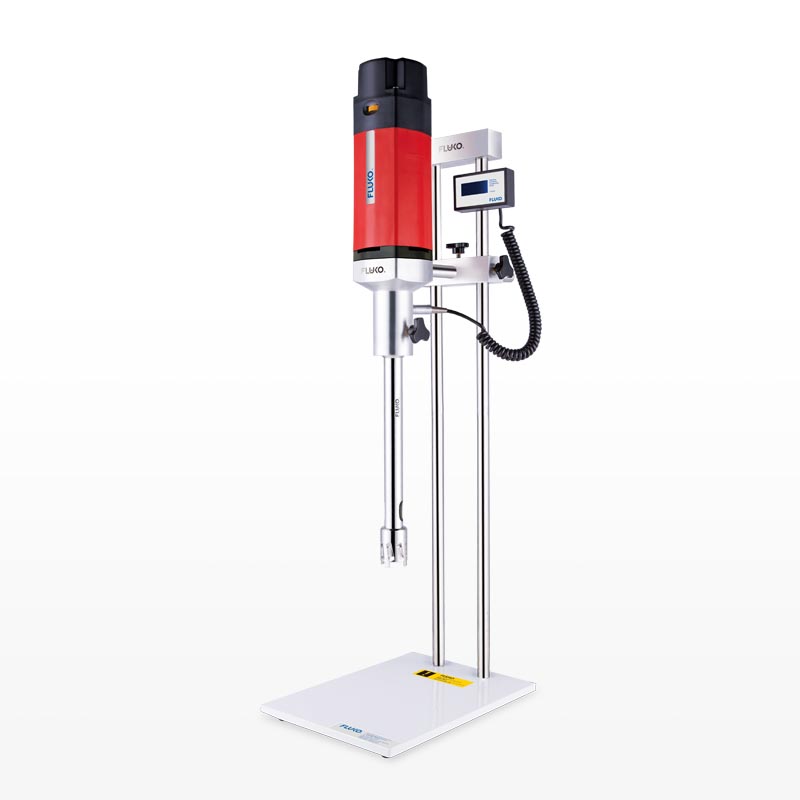
Common commissioning and scale-up mistakes
Don’t accept “we’ll scale power by ratio” without measured comparisons. Don’t skip trying your exact solids loading at pilot scale. Avoid under-specifying seals and bearings for abrasive slurries. Don’t ignore feed method — pre-wetting, side-feed versus top-feed, and controlled powder dosing change results drastically. Document the intended process window (viscosity, solids percentage, temperature) and require vendor validation inside that window.
Synthesis: solve the problem with measured decisions
Pick equipment that proves it can meet your worst-case recipe under real conditions; demand data, ask for pilot runs, and plan feed and maintenance from day one. That approach reduces surprises, shortens commissioning, and keeps product quality steady — and that practical reliability is what you find when you focus on tested solutions from trusted suppliers like FLUKO.
