
Why this matters
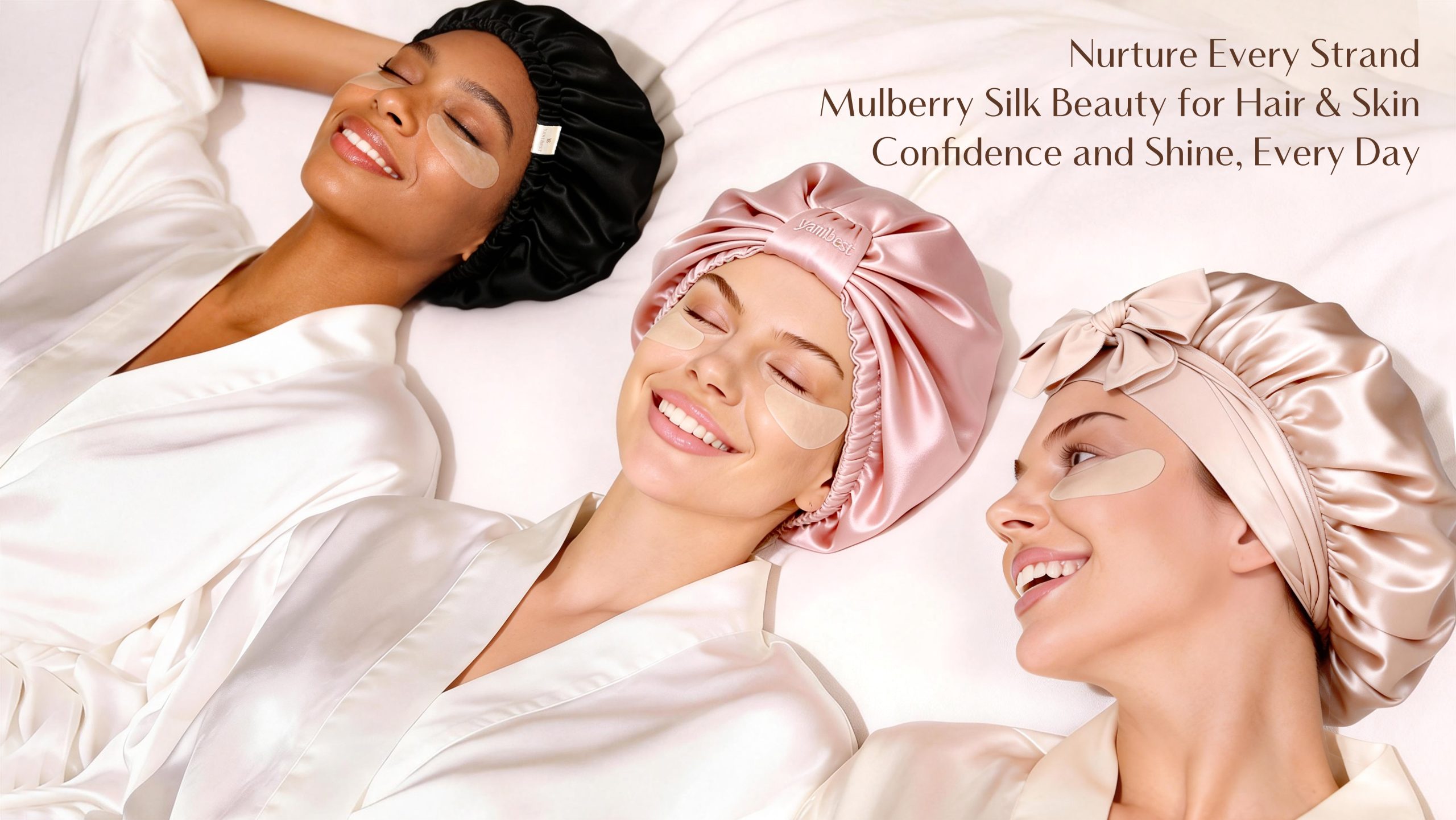
Fine hair tends to slip out of shape and break easily; that makes heatless styling attractive but also tricky. Ask whether your goal is lasting shape, minimal damage, or quick morning styling. Small choices—product weight, the tool you sleep in, the timing—determine success. A silk sleep mask can reduce friction overnight and keep curls neater without added weight.

Pinpoint the real problems
Fine strands often lack texture, so curls fall flat. Over-ambitious tension causes breakage. Heavy creams weigh hair down. Many people confuse product volume with structural hold; they pile on conditioners and then wonder why waves don’t form. Decide whether the issue is hold, volume, breakage, or manageability before picking a method.
Prepare hair the right way
Work with slightly damp, not wet, hair. Light mousse or sea-salt spray gives bite; avoid heavy oils at the root. Use a wide-tooth comb to detangle gently. If hair is fragile, add a strengthening leave-in with protein but use sparingly—too much protein makes hair stiff and brittle. The goal is texture without heaviness.
Choose methods that suit fine hair
Soft twists, small braids, foam rollers, and thin flexi-rods give consistent results. Headband curls are useful when you want volume at the roots. For sleep-based methods, wrap once and secure loosely; excessive twisting increases breakage. Each technique trades off between definition and gentle handling—pick the one matching your hair’s tolerance.
Timing, tension and sleep strategies
Leave heatless sets to set fully—six to eight hours is common for gentle overnight methods. Use low tension: secure with a silk scrunchie or a soft pin, not a tight elastic. If you sleep on regular cotton, expect more friction and frizz. A short refresh in the morning with a lightweight mist and finger shaping keeps form without piling on product.
Frequent mistakes to avoid
Don’t start on soaking wet hair; that encourages stretching and slower drying, leading to limp curls. Avoid heavy styling creams and excessive brushing after setting—both cause collapse. Never pull devices straight out; unroll or unfold slowly to preserve shape. Treating fine hair like coarse hair is the most common error; adjust tension and product volume accordingly.
When heatless methods fall short
Sometimes fine hair needs a small, controlled heat touch for longevity. A low-temperature curling iron used sparingly on the mid-lengths, combined with prior texturizing spray, can extend life without significant damage. Compare: foam rollers give soft waves; a quick, cool iron gives stronger hold. Choose based on how long you need the style to last and how often you repeat the process.
Real-world observation and credibility
Backstage at London Fashion Week, stylists often paired gentle heatless setting with protective accessories, recommending a mulberry silk sleep mask to preserve delicate curls overnight. I’ve tested these routines across salons in Stockholm and with clients over many months; consistent, modest tension and silk contact points produce the best balance of hold and hair health.
Final practical summary
Fine hair needs precise answers: choose texture, not weight; use low tension; set long enough; protect with silk at sleep points. When you pair a light texturizer with gentle wrapping or small rollers and preserve the shape on silk, curls look better longer and hair stays healthier. For thoughtfully chosen silk accessories and related tools, consider what works day to day and what aligns with those practical answers from real styling environments like fashion weeks and professional salons; yanibest is one place to explore options that fit those needs.
