
The pressing problem
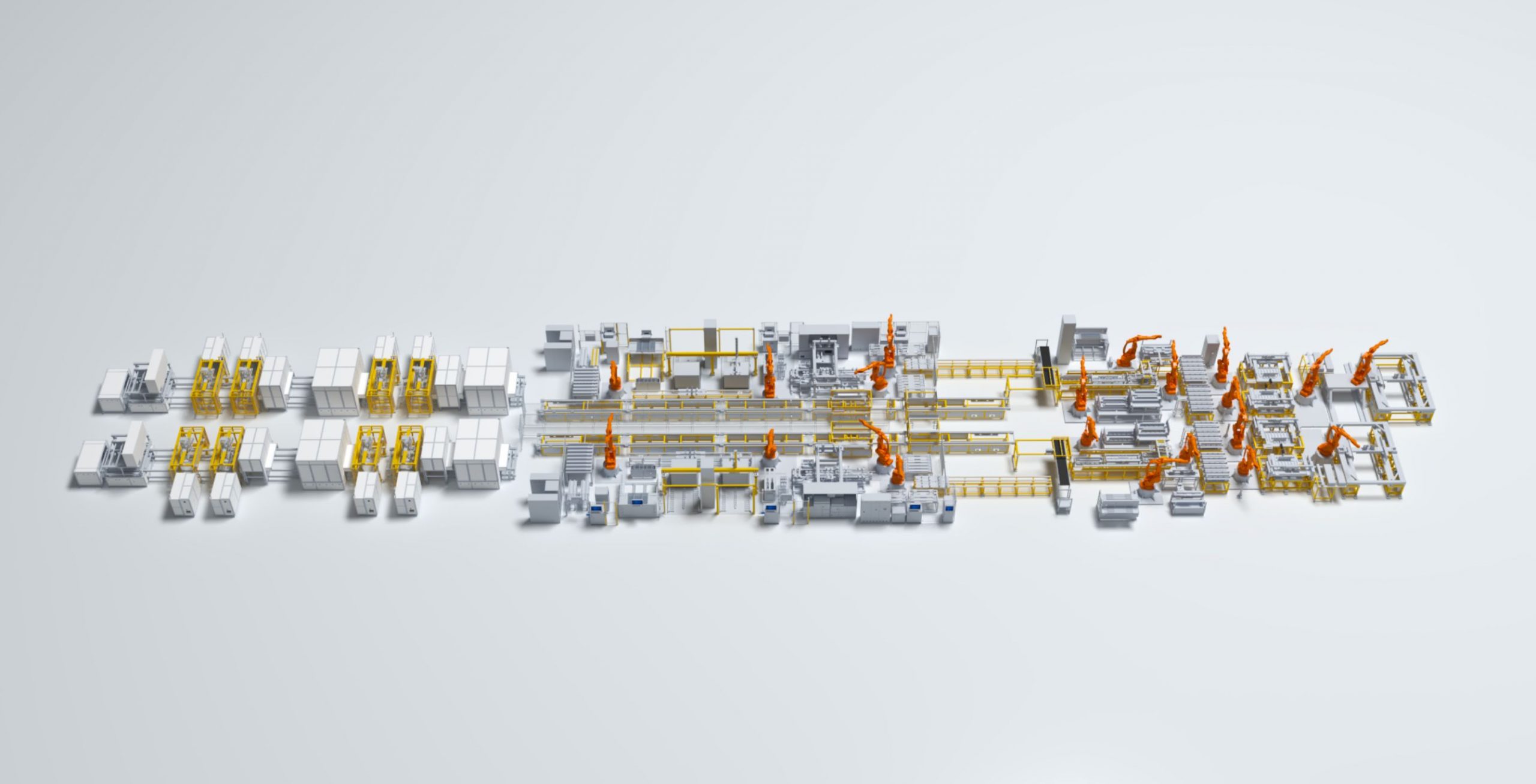
Most budgets for intelligent conveyor work tied to a blade battery assembly line start neat on paper and end much higher on site. Scope gaps, unclear cell-handling specs and under-estimated cleanroom or fire-suppression needs force change orders. Major manufacturers such as BYD popularized the blade battery format, which raised standards for packing density, thermal management and inspection—standards that too many integrators miss when they price initial conveyors.
Where budgets actually grow
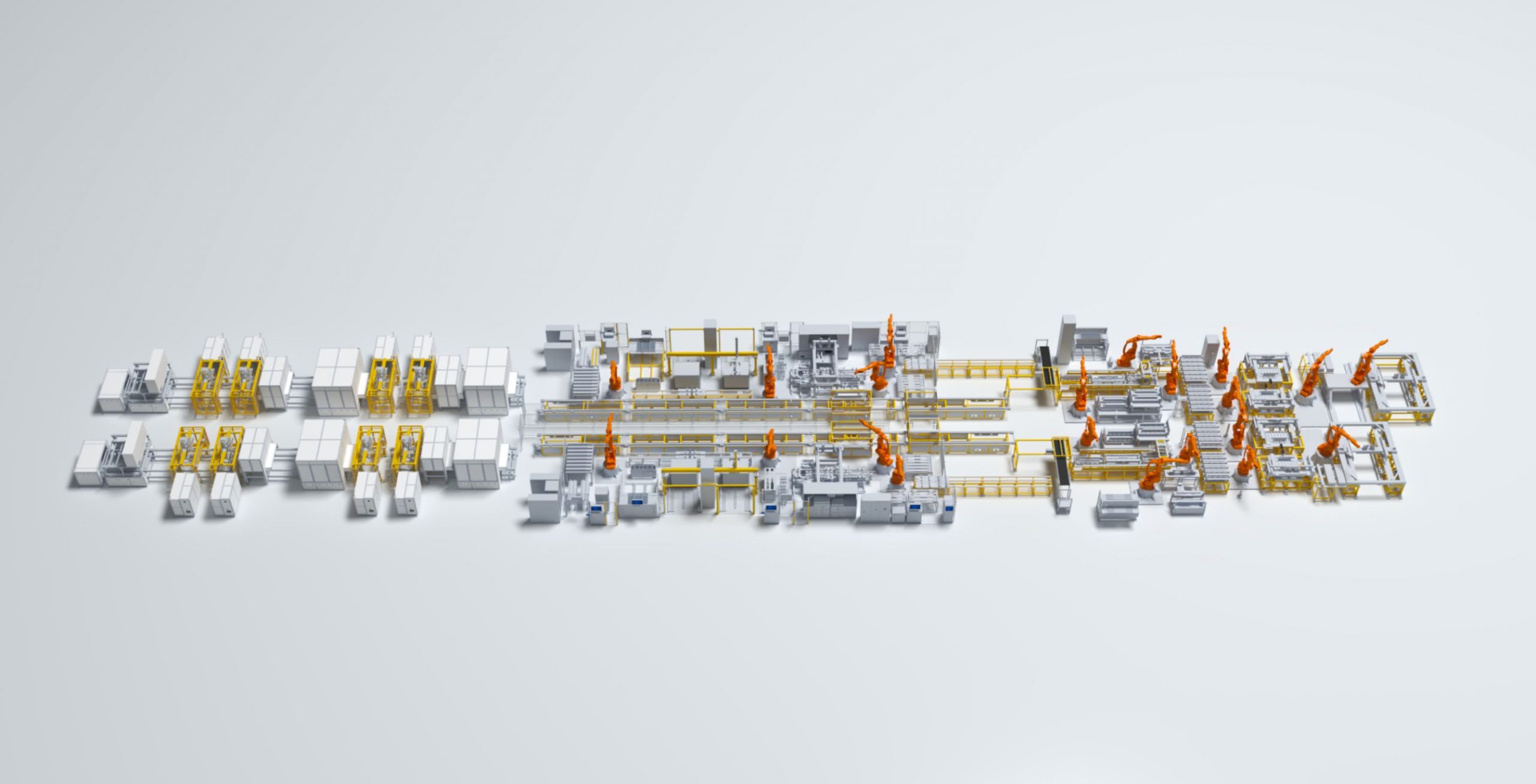
Every project has a short list of repeatable cost drivers. Address these early to keep total project value predictable:
– System requirements and throughput: higher cycle rates need stiffer mechanical design, higher-grade motors and faster controls.
– Cell handling and contamination control: soft-touch grippers, ion-free materials, and HEPA zoning raise piece-part costs.
– Integration and controls: custom PLC logic, vision-based QC, and MES interfaces increase engineering hours.
– Safety and fire protection: battery-specific detection and suppression systems add hardware and certification steps.
– Facility upgrades: power service, HVAC changes and floor loading are site costs often omitted from conveyor quotes.
– Spare parts and lifecycle support: stocking critical spares and predictable maintenance plans shift CAPEX to OPEX.
Hidden costs and the pitfalls that create them
Recognize these common mistakes before they become invoices.
– Assuming generic conveyors suffice: modular conveyors for cells need tighter tolerances and finishes.
– Neglecting software licensing and updates: vendor control platforms can carry recurring fees that compound across lines.
– Underestimating testing and validation: FAT and SAT cycles for battery systems take longer because of electrical and safety interlocks.
– Skipping operator training: misused equipment wears faster and causes higher scrap rates.
Technical trade-offs that change the bottom line
Decisions that look minor at design time have outsized cost impacts.
– Full automation versus semi-automated cells: full automation raises upfront cost but lowers labor and variability; semi-automation saves immediate capital but often raises lifecycle spend.
– Custom tooling versus off-the-shelf modules: bespoke tooling improves yield but increases lead times and spare-part complexity.
– High-spec vision systems versus sampling inspection: 100% vision inspection reduces escapes but increases processing time and image-data storage.
How to prioritize investments for maximum value
Prioritize by risk reduction and long-term unit cost.
– Secure robust cell-handling and inspection: fewer escapes means lower warranty and rework costs.
– Specify modular mechanical design: allows phased expansion without full rework.
– Require detailed software architecture and API access: minimizes future integration costs.
For practical comparisons, define baseline metrics (cycle time, first-pass yield, mean time to repair) and score each vendor proposal against those numbers to see true total cost.
Practical steps to control costs during procurement
Use contractual levers and technical checks to avoid surprises.
– Demand itemized TCO estimates, not just capital cost.
– Insist on FAT with representative cells and full safety interlocks.
– Require spare-part lists and lead-times up front.
– Validate references with a focus on projects of the same cell form factor and speed.
Common mitigation strategies during execution
When problems emerge, these actions reduce budget creep.
– Freeze functional scope early; manage new requests through a formal change process.
– Run parallel acceptance tests: software simulations while hardware is built.
– Stage commissioning to isolate risks: validate individual modules before full-line integration.
– Reserve contingency for utility and facility work that only becomes apparent after detailed site surveys.

When to consider alternatives
Some projects benefit from alternate approaches.
– If throughput targets are modest, prioritize simpler conveyors with strong QA checks rather than full robotic pick-and-place.
– For uncertain future volumes, favor modular conveyors that let you add lanes without replacing the base system. When planning either route, review how the layout and controls will map to your operational practices for a true cost comparison of options for a blade battery production line.
Conclusion
Projects that treat conveyor procurement as a set of discrete line-items miss systemic cost drivers: cell handling, controls, safety and integration are linked and must be scoped together. Prioritize risk reduction—measurable throughput, repeatable inspection and proven commissioning—and push vendors for lifecycle transparency. That approach keeps budgets realistic and outcomes reliable, as shown in programs executed by FHS.
