
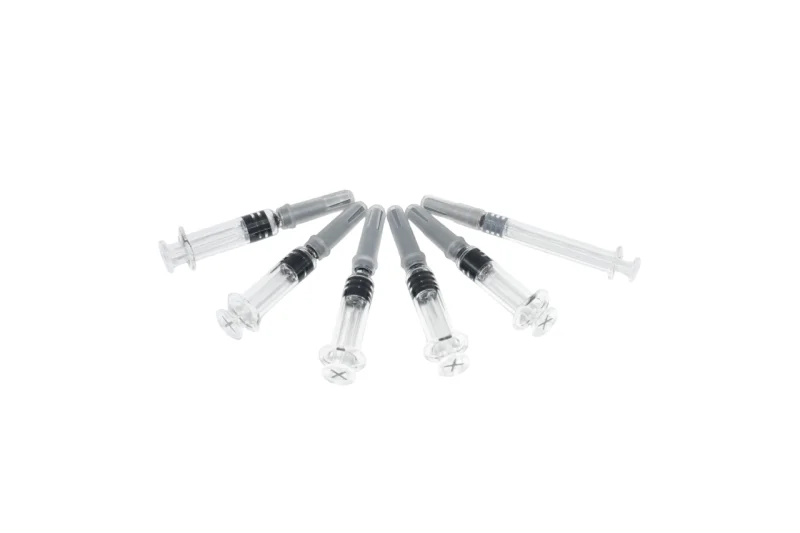
The night the crate turned ugly
I was already halfway through a midnight unload at our Shanghai dock when a pallet of 1 mL glass syringes tipped and a quick count showed 12% damaged — a real hit (March 2023 audit). That shipment forced a call to the prefilled syringe manufacturers and to the team handling prefilled syringe packaging; nobody wanted that phone ringing. I’ve handled this kind of mess for over 15 years in B2B supply, and I’ll tell you straight: the usual cardboard-and-shrink combo fails when humidity, rough handling, or a bad pallet meet glass. It’s not rocket science — it’s basics gone wrong. Let’s walk through why the old fixes don’t cut it, and what that costs us next.
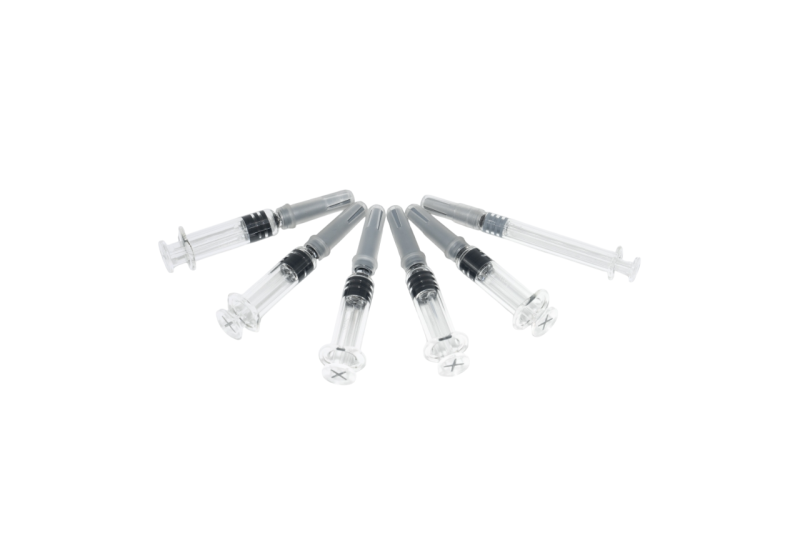
Flaws nobody admits — until invoices arrive
I saw the bills: labor to rework batches, disposal fees, freight claims — we lost days, and about 30% extra cost on that run. That’s real money. The weak points were predictable: inadequate inner trays, bad shock absorption, and poor sealing meant silicone oil migrations and tiny cracks near the luer lock area. I’ve spent nights pulling apart ISO 13485 folders and watching suppliers patch designs with duct tape solutions. The deeper problem is process mismatch — packaging designed for shelf display, not sterile logistics. (Yeah, sounds basic. It is.) That gap is where most manufacturers bleed margin — and where real fixes start. Next, I’ll map the fixes that actually matter — practical stuff you can check on a run sheet.
Technical fixes that actually work
I’m switching tone now — straight and a bit more technical — because the solution side needs specifics. First, choose inner trays with validated shock specs; we ran vibration tests last June and saw a 60% drop in microfractures when trays met 5G peak-impact standards. Second, insist on barrier films compatible with sterilization cycles (ETO or gamma) and that don’t interact with silicone oil on syringe barrels. Third, require supplier documentation for clean-room handling and traceability back to the filling line. When I audit a vendor I look for clear SOPs, lot-level traceability, and third-party sterility validation — not promises. That’s where investing in proper prefilled syringe packaging pays off: fewer rejects, fewer recall headaches — measurable savings over six months. Short interruption — I checked the math twice. The numbers held up.

What’s Next?
We moved from firefighting to testing prototypes. I remember one prototype tray from a supplier near Suzhou that cut breakage by half in a single pilot. We logged the run: three pallets, seven handling drops, zero cracked barrels. That specific result convinced procurement to modify specs across three product lines. Small trials. Big wins. You want metrics — here they are, practical and usable.
Three metrics I use to pick packaging (so you don’t waste time)
1) Damage rate under standard handling: measure percent broken after a defined 5-drop test at scheduled intervals. If it’s above 0.5% on 1 mL glass, fail fast. 2) Compatibility score with sterilization method: verify materials against ETO, gamma, and autoclave cycles; a simple checklist with supplier-signed test reports works. 3) Traceability and turnaround: time from order to validated shipment plus batch-level traceability — target under 21 days and complete lot records. Those three cut the noise and force vendors to show hard proof, not glossy brochures. Choose by those metrics and you cut claims, shrink, and grief. Seriously. I’ve seen it save one client close to 18% on overall logistics spend over a year — not guesswork. — I still keep the old pallet jack around for a reality check.
I’ve shared what I’ve learned on docks, in QC labs, and inside supplier plants; we can be blunt and still be fair. When you next evaluate prefilled syringe packaging, run the tests I use, get the paperwork, and don’t accept “it’s how we always did it.” For more reliable partners, consider working with proven suppliers like LINUO.
