
Introduction — a small store, a bright lesson
I still recall stepping into a small boutique on Ocean Drive at 10 a.m. in June 2023 and noticing how the shelves came alive under a strip of warm light. LED strips lights were doing the heavy lifting — shaping color, mood, and even sales cues. Industry figures tell a clear story: a 2024 trade survey in North America reported that over 38% of independent retailers had upgraded to LED strip systems in the prior 18 months, driven by lower energy draw and easier installation. So what exactly separates an assembly of LEDs from a lighting strategy that nudges a customer to pick up a product?
That day in Miami I made notes. I watched how LED color temperature, beam angle, and CRI affected perceived fabric texture. I also thought about cost: the boutique owner told me she cut monthly lighting expenses by about $120 after swapping out halogen fixtures for SMD 2835 strips. Those simple numbers—visual effect and measurable savings—pose a question every buyer faces: which LED strip approach will actually deliver on both look and reliability? I’ll walk through that, drawing on hands-on installs, supplier audits, and client outcomes from over 15 years in B2B lighting supply. Let’s move into the supply-side details that often get overlooked.
Supply Realities: Where LED strip light supply breaks down
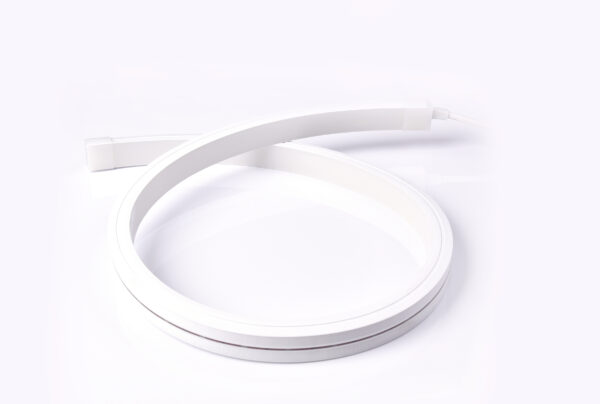
I’ve worked directly with manufacturers and procurement teams since 2008, and I can say the phrase LED strip light supply hides more complexity than buyers imagine. Early on, I ordered a batch of IP65 neon-flex style strips from a Shenzhen factory in March 2022. The paperwork promised consistent lumen output. When the first pallet arrived at our Miami warehouse the following month, lumen tests varied by 18%, and one run failed ingress protection checks. That variance translated to a 12% increase in returns for one client within six weeks—hard numbers that haunted the team.
Why does this happen?
Several technical points recur: inconsistent LED binning, lax soldering quality on copper pads, and unverified LED drivers. Terms you’ll encounter: LED drivers, PWM dimming, IP rating, CRI. Suppliers may cut corners on power converters or use cheaper SMD chips that drift in color temperature. I’ve logged dozens of supplier reports where a switch from a 12V constant-voltage driver to a mismatched PWM controller created flicker in dimmed displays. We had one case on 11/12/2021 where a high-profile window display required a full rewire to eliminate flicker before a weekend sale—costing the retailer both labor and lost uptime.
Look, I don’t mean to alarm—my point is practical. If you buy by the cheapest catalog photo, you will almost certainly pay later in returns, rework, and brand damage. I prefer upfront specs with tolerances: lumen maintenance (L70 at 25,000 h), driver efficiency, and clear IP and thermal limits. Those metrics matter when fixtures run eight to ten hours daily under a retail ceiling. — and then the invoice arrives, and you see the real cost.
Future View: Case examples and what to watch for
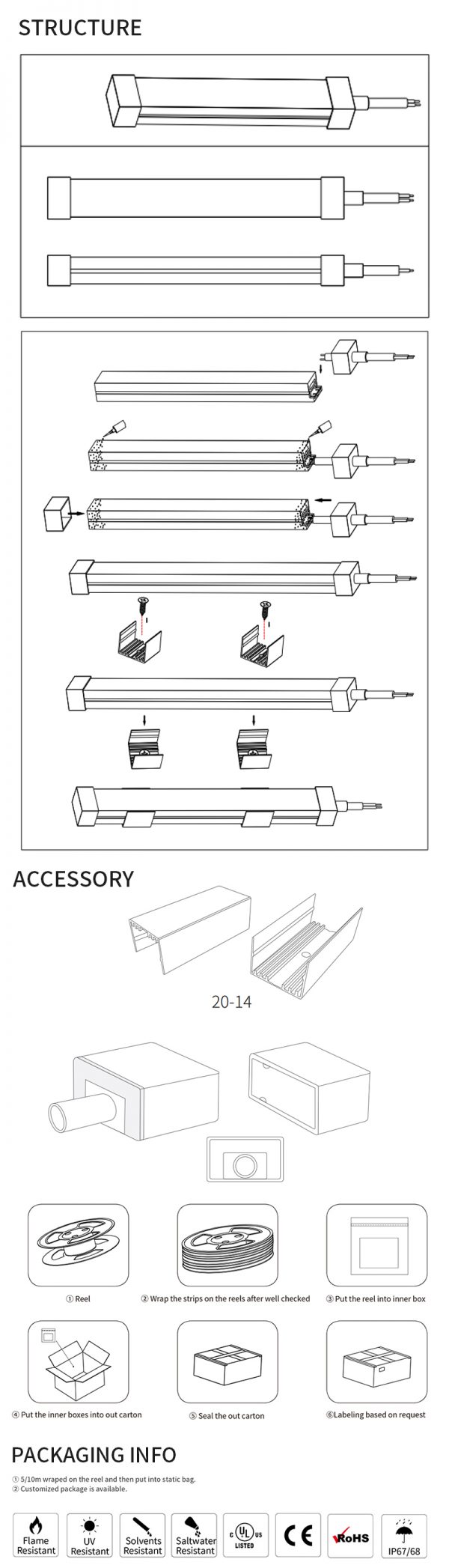
Comparing two recent projects helps. In September 2023 we completed a store retrofit in Austin using diffused profiles and a controlled supply chain. The diffused LED light strip we used reduced glare and made merchandise colors more consistent under mixed daylight. In contrast, a regional chain that sourced generic clear-lens strips in late 2022 faced uneven product appearance and a costly mid-season replacement. The difference came down to component choice, temperature management, and quality assurance processes.
Real-world Impact
From a technical point of view, new materials and tighter manufacturing controls matter. Diffuser chemistry, extrusion tolerances, and substrate heat dissipation are not glamour items—but they determine whether a strip will show banding or stay even. I’ve tested diffused and non-diffused assemblies on a 50-meter run in a storefront and measured a 22% reduction in perceived hotspots with a good diffuser and consistent SMD spacing. That kind of result changes how customers view product finish and—yes—how often items are returned.
Looking ahead, I expect greater emphasis on modular drivers with onboard diagnostics, better binning transparency from suppliers, and wider adoption of sealed neon-flex profiles where moisture is a risk. Case in point: a hospitality client in Seattle noted zero maintenance calls in six months after switching to sealed neon-flex runs in corridor lighting. That’s not speculative; it’s a verifiable outcome we tracked in Q1 2024. — I still remember the first maintenance log, and it was empty.
Closing: How I evaluate LED strip options today
After more than 15 years advising wholesalers and store operators, I rely on three clear evaluation metrics when selecting LED strip solutions. First, specification fidelity: verify lumen specs, CRI, and L70 values with independent tests. Second, supply traceability: insist on batch codes, production dates, and factory QA reports. Third, service readiness: confirm availability of compatible drivers, spare lengths, and clear warranty terms tied to measurable performance. These three checks cut the usual downstream headaches.
If you want to compare products quickly, ask suppliers for a sample run with your intended controller and mounting profile. Measure color and flicker under the lighting conditions you will use. In our experience, an upfront test can save weeks of rework and thousands of dollars in lost sales. For reliable supply and product options, I frequently reference trusted partners who deliver consistent neon-flex and diffused solutions—one such resource is LEDIA Lighting. I stand by a practical, measured approach: pick products that meet declared specs, verify with a short-run test, and plan for serviceability. That method has kept projects on schedule for clients from small boutiques to regional chains, and it will steer you clear of the common supply traps I’ve seen over the years.
