
Introduction — a lab morning, a stat, and one big question
I once watched a technologist rerun a batch because of a single contaminated well; the delay cost a morning and morale. In many clinical and research labs today, an automated nucleic acid extraction workstation is the one tool meant to prevent that exact waste. Recent internal audits show rework rates falling from double digits to low single digits after automation (and yes, I’ve seen the spreadsheets). So the question I keep asking my teams is simple: how do we get consistent results, faster, without burning out staff? This piece walks through what I’ve learned on the bench and behind the bench — I’ll be blunt where processes fail, and practical where fixes work — then point to measurable ways to choose the right path forward.
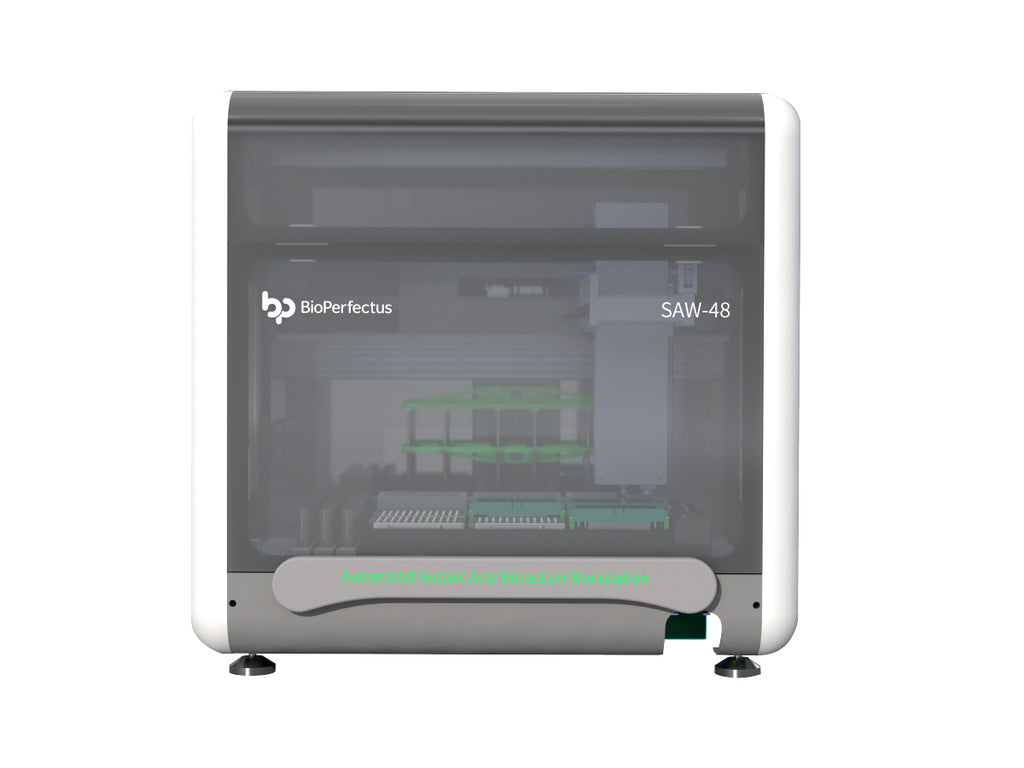
Where traditional workflows crack: deeper flaws and hidden pain
I want to start with a clear sign of trouble: inconsistent yields and quiet contamination events. The nucleic acid workstation addresses many surface problems, but understanding why manual methods stumble helps explain why automation matters. In manual extraction you rely on multiple hand-offs, variable pipetting, and batch timing that drifts — and that creates tiny opportunities for cross-contamination and human error. Industry terms matter here: magnetic beads, extraction reagent, and pipetting robots are not buzzwords; they’re points where variability either sneaks in or is stamped out. Look, it’s simpler than you think — when you reduce touch steps, you reduce risk. (I speak from experience: a single missed centrifuge cycle once ruined a whole plate.)
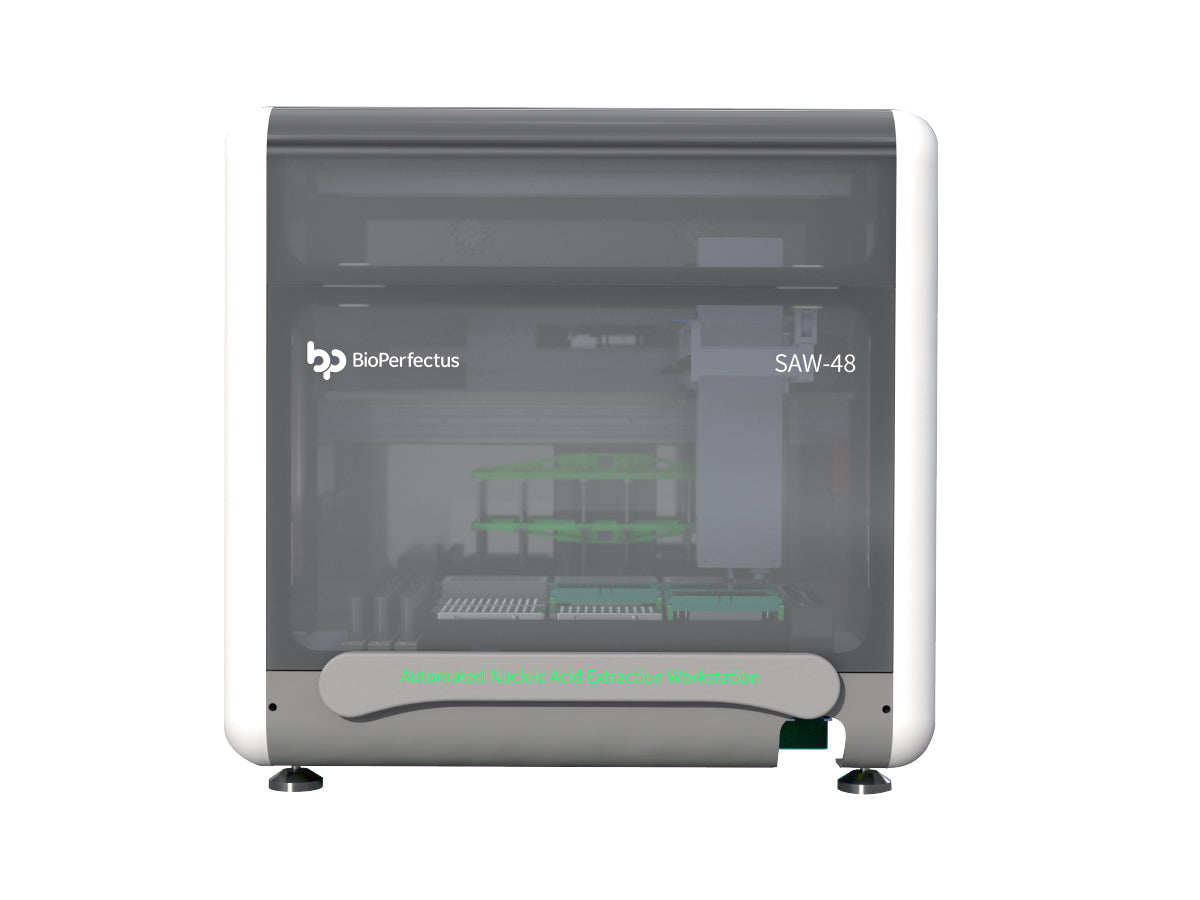
Why do old workflows break down?
The answer is a mix of scale and human limits. As throughput rises, manual steps multiply and so does cognitive load on staff. Contamination control degrades when people are rushed, and traceability suffers when sample tracking is paper-based. Pipetting skill varies, extraction reagent mixes are sensitive to timing, and ambient conditions—temperature swings—can change yields. I’ve watched processes tolerate these flaws until they don’t; then a single event cascades into a full run failure. That’s the hidden pain: it’s sporadic, hard to predict, and annoying enough to erode confidence in results. We can fix that by changing the workflow, not just the timetable.
What’s next: principles of new solutions and practical metrics
Moving forward, I focus on three technology principles that make a real difference: closed-system workflows, standardized liquid handling, and integrated sample tracking. A modern nucleic acid workstation uses precise liquid handling modules and programmable protocols to cut variability, while built-in contamination control and UV decontamination reduce silent failures. These systems also log actions for audit trails — a simple change that saves hours of troubleshooting later. I’m not handing out miracles; rather, I’m advocating for predictable engineering applied to messy lab life. — funny how that works, right?
To illustrate: we replaced manual steps with automation in a mid-size clinical lab. Turnaround time dropped by nearly 30%, repeat tests declined, and staff stress visibly eased. We tracked throughput (samples per hour), reproducibility (CV%), and contamination incidence before and after. The gains weren’t just technical — the team regained time for method development and quality improvement. That shift from firefighting to improvement is what I find most satisfying. We should aim for tools that free people to think, not just run machines.
Real-world impact — what to measure
When evaluating systems, I use three key metrics: throughput (does it meet daily volume?), reproducibility (are yields consistent?), and contamination control (how often do false positives/negatives occur?). Those metrics map directly to costs, patient outcomes, and staff wellbeing. Pick a system that reports these numbers clearly and that allows you to tweak protocols without vendor lock-in. I recommend running side-by-side tests — small pilots reveal real trade-offs and save headaches later. In short: measure early, measure often, and prioritize solutions that make your processes quieter and more reliable.
Closing thoughts and concise guidance
I’ve walked you from a common lab morning to the evaluation metrics that matter. I feel strongly that automation, when applied thoughtfully, changes the daily reality for labs: fewer reruns, clearer audits, and teams that can focus on science rather than troubleshooting. If you’re choosing a system, insist on transparent performance data and flexible protocols. And remember—people matter: the best technology is the one your team trusts and uses well. For practical choices and vendor info, I often point colleagues to trusted suppliers who combine robust engineering with good support. For example, you can learn more through BPLabLine.
