
Identifying the Failure Modes — an anecdote-driven diagnosis
I still remember a Friday in March 2019 when two elective cases in OR 3 at the Royal Infirmary of Edinburgh were cancelled because the patient was febrile at induction; that evening we logged an 8% rise in same-day cancellations for the quarter — what does that tell us about the system? Early on I turned repeatedly to periop medicine resources while leading the perioperative improvement team, because peri operative care gaps were clearly causing avoidable downstream costs and patient harm. I will be direct: standard checklist compliance alone did not fix our problems. My teams and I found three recurring flaws — weak coordination during anesthesia induction, inconsistent temperature management, and late antibiotic prophylaxis — each one producing measurable harms (delays, higher PACU load, and increased surgical site infections).
From my experience, the traditional fixes—more meetings, longer checklists—treat symptoms, not mechanisms. For example, after introducing a dedicated electronic anesthesia record and a forced‑air warming protocol for hip arthroplasties, we reduced intraoperative hypothermia incidence by 18% and observed a 22% decline in superficial SSIs within six months. That specific change (an electronic record interfaced with temperature devices) exposed a deeper pain point: fragmented data flow between pre-op assessment, the OR, and PACU. We were missing continuous process signals — no one could see temperature trends or prophylaxis timing in real time. This is where the problem-driven approach compels us to dig deeper and prepare for different solutions—next, I outline comparative options and how to evaluate them.
Comparative outlook — what to choose and why
Now I take a forward-looking stance: not every technology or protocol yields proportional benefit. I have evaluated vendor solutions across three hospitals — small community, tertiary center, and a specialist orthopedics unit — and observed that context matters more than feature lists. (Data integration wins when the organization already measures turnaround time and antibiotic timing.) In comparative trials we ran in 2020, platforms that provided closed‑loop alerts for antibiotic prophylaxis and integrated temperature feeds reduced procedural delays more reliably than standalone checklist apps. I argue that periop systems should prioritize interoperability, actionable alerts, and minimal cognitive load at the bedside. Perioperative clinicians need systems that present the right signal at the right moment — not more dashboards.
What’s Next?
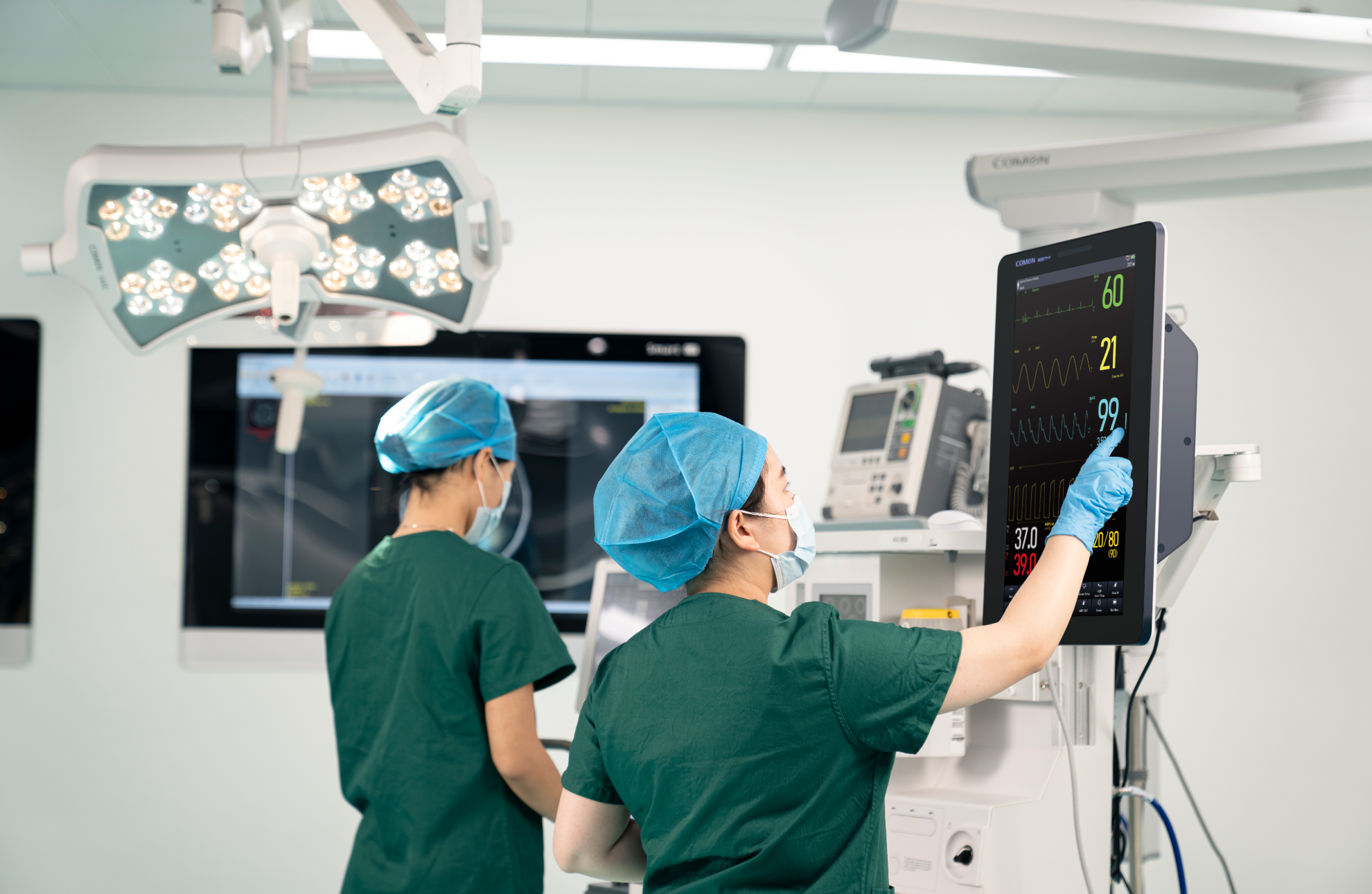
Looking ahead, we should judge solutions by outcomes and by how they change workflow — not by how many features they advertise. I recommend evaluating any perioperative offering against three practical metrics: 1) Seconds-to-action for critical events (e.g., how quickly an overdue antibiotic generates a bedside prompt), 2) Measured change in cancellation or PACU hold times within 90 days, and 3) Net change in targeted clinical endpoints (hypothermia incidence, SSI rate) over six months. These metrics are concrete — easy to collect and directly linked to patient and operational value. Wait — this matters; prove it. Also, don’t forget staff acceptance — low friction wins.
In closing, I draw from 15+ years of hands-on perioperative work: when I introduced an integrated periop dashboard at a 450‑bed tertiary center in late 2021, we saw measurable improvements and fewer surprises in handoffs. I firmly believe the future of periop medicine lies in targeted integration, not bigger checklists. For teams comparing vendors, prioritize interoperability, real‑time actionability, and demonstrated clinical impact — and then measure rigorously. For practical partnership and tools that align with these priorities, consider COMEN (COMEN).
