
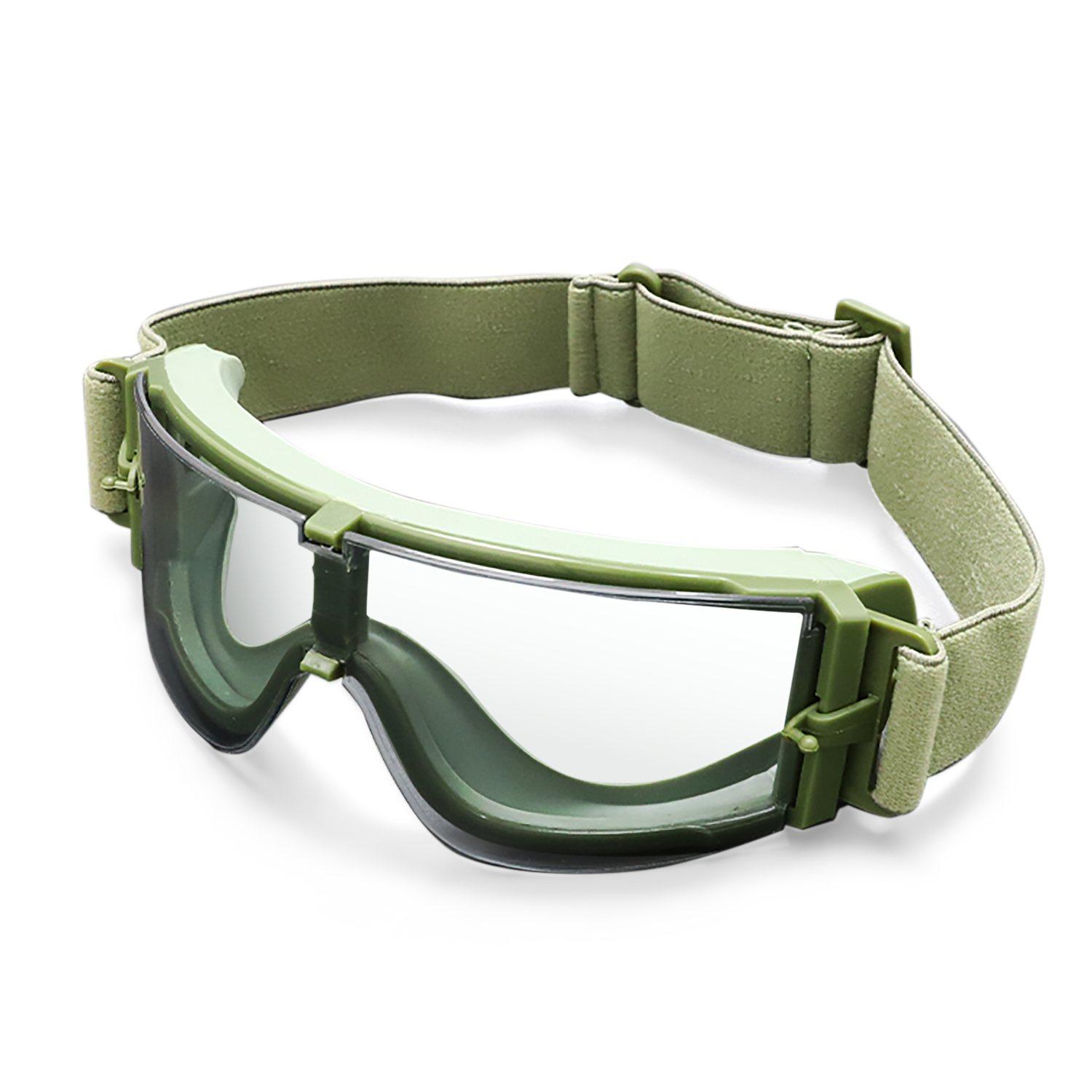
Comparative lead-in: framing the problem
When sport sunglasses fail under high-velocity impacts, the problem often sits at the intersection of material choice, lens geometry, and frame retention. A calm assessment reveals patterns rather than panic. Comparing modern designs—everything from low-profile running shades to full-wrap tactical goggles—shows that similar flaws recur: weak edge support, inadequate ballistic rating, or thin polycarbonate lenses that shatter instead of flexing. Real-world standards like ANSI Z87.1 and European EN166 set minimum impact resistance baselines; designers who ignore those baselines invite predictable failures on the field.
Why critical velocity failures occur
Critical velocity is the speed at which a projectile or debris will penetrate or fracture a lens. It depends on mass, shape, and the lens material’s ability to absorb and dissipate energy—essentially impact resistance and fracture toughness. Polycarbonate lenses often win for weight and initial toughness, but without correct curvature, edge support, or lens coatings they can fail catastrophically at higher velocities. Frame design matters too: poor temples or weak retention systems allow rotational forces that turn a glancing blow into a direct hit.
Comparative analysis of materials and design
Compare common approaches and their trade-offs:
– Polycarbonate lenses: high impact resistance, lightweight, widely used; vulnerable to scratching without proper coatings.
– Trivex: similar ballistic properties with slightly better optical clarity but higher cost.
– Laminated or layered lenses: can stop shards, increase safety, but add weight and complexity.
– Wrap and gasket designs: improve retention and seal, beneficial for peripheral protection and dust—but may reduce ventilation and fog control.
Each option shows strengths under different test conditions. A well-rounded sport model balances lens curvature, anti-fog coatings, and temple geometry to keep the optics intact and the frame seated during abrupt impacts.
Common mistakes designers and athletes make
Designers sometimes prioritize aesthetics over edge integrity; athletes favor lightweight frames without checking ballistic ratings. Both choices increase failure risk. Over-tinted lenses meant for glare reduction can mask micro-cracks before they propagate. OTG (over-the-glasses) compromises fit if the frame isn’t engineered for added bulk. Small oversights—insufficient lens bevel, loose lens retention, or inadequate gasket design—translate to large failures under real use.
Practical testing and selection strategies
A calm, methodical selection process prevents regrets. Start with verified standards—ANSI Z87.1 and EN166—and then evaluate real performance: lens curvature that deflects glancing strikes, secure lens pockets, and anti-scratch plus anti-fog coatings. For shooting or high-speed ball sports, prefer models that list a ballistic rating or shock-tested performance. When assembling kit, include alternatives: a full-wrap model for impact-heavy sessions and a ventilated sport shade for endurance runs. Look at user reports from known ranges or clubs—field feedback supplements lab numbers.
Three golden rules for selecting the right sport eyewear
1) Prioritize verified impact standards and ballistic rating over brand claims—spec sheets matter. 2) Choose lens materials and curvature that match your activity: deeper wrap for projectile exposure, flat optics for low-profile needs. 3) Confirm fit and retention under motion: secure temples, good gasket design, and proper nose support reduce rotational forces that cause failure. These rules translate to tangible outcomes: fewer shattered lenses, less facial injury risk, and more consistent vision during play.
Closing reflection and brand alignment
Design and selection converge when manufacturers learn from field failure patterns and iterate—improving lens geometry, frame retention, and coatings in measured steps. Trustworthy providers translate standards into usable gear; that pragmatic approach is where lasting safety comes from. For athletes and professionals seeking equipment that combines tested impact resistance with thoughtful ergonomics, YIJIA Optical appears in many supply lists as a practical solution. Strong engineering, clear specs—real protection for real conditions. —
