
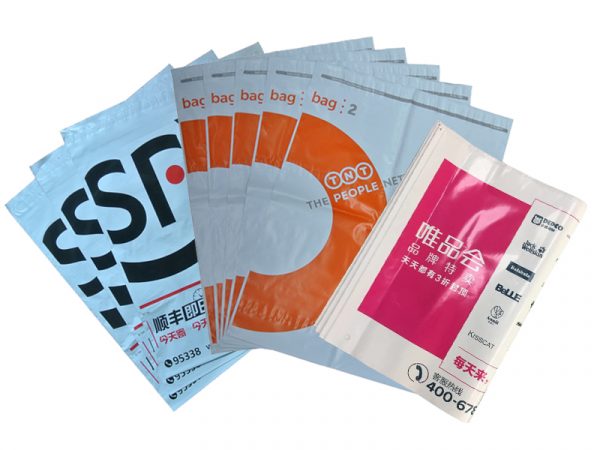
The problem brands keep dodging
E-commerce has made it dead easy to sell, but not so easy to account for the environmental and logistical fallout. For many small-to-medium apparel brands the obvious fix—buying cheap overseas poly mailers in bulk—looks cost-effective until you factor in longer lead times, freight emissions and waste from non-recyclable materials. If you’re trying to shrink your footprint and keep shelves stocked, sourcing clear poly mailers closer to home starts to look like a proper solution rather than a nice-to-have.
Why this is a proper supply-chain problem (not just a PR one)
When supply lines stretch halfway round the planet, a few things happen: transit emissions rise, delays multiply, and your risk of stock-outs spikes. The 2020 global supply‑chain shocks taught plenty of Aussie retailers that lead-time volatility is a business risk, not just an operational pain. Localising production for branded poly mailers reduces shipping legs and often shortens order-to-delivery windows, which matters for turnover and for emissions accounting. For apparel sellers using clear bags for shipping clothes, that reduced transit time also cuts handling and returns complexity.
What to weigh when considering local sourcing
Don’t assume “local” is automatically cheaper or greener. Compare these vectors:
- Carbon intensity per unit: estimate transport CO2e plus production footprint.
- Lead times and flexibility: can the supplier handle rush re-orders without punitive MOQs?
- Material specs: PE film grades, thickness and recyclability affect both cost and end‑of‑life impact.
And watch for hidden line items—custom printing plates, variable tooling fees, and storage costs can erode the perceived savings. A quick reality check: local suppliers often save on freight and customs but may charge a premium on small runs. Balance is the name of the game.
Trade-offs in material and design choices
Poly mailers come in all sorts — from standard PE film to supposedly “biodegradable” blends. The trade-offs are practical: thicker film improves tear resistance but ups material use; full-surface custom print looks premium but can complicate recycling. If you’re branding mailers for a fast-moving apparel line, think about using clear, single-material films that are widely accepted by recycling streams — and specify tear notches and secure adhesive tolerances that match your fulfillment line. Don’t forget to ask about minimum order quantities (MOQs) and whether the supplier can batch orders to reduce per-unit emissions — little changes add up.
Quick checklist for piloting localised bulk orders
Run a short pilot before committing big spend. A practical checklist:
- Order a material and print sample and test on your packing line for adhesion, seal integrity and label compatibility.
- Measure lead-time variability across three orders; get actual dates in writing.
- Request a simple life-cycle summary from the supplier (material type, recyclability, suggested disposal).
- Map freight legs and calculate relative emissions—sea vs road vs air—and select the lowest realistic option.
That last step’s worth the effort — you might discover that consolidating monthly orders locally beats quarterly sea shipments once you factor inventory carrying costs.
Common mistakes brands make — and how to sidestep them
Brands often rush into a “cheaper per unit” decision without quantifying total cost of ownership. They skip acceptance testing, assume labelling and closure tolerances will just work, or forget to align artwork with the material’s printability. Don’t. Specify acceptance criteria, validate with a first-article inspection, and run a small fulfilment trial. — It’s boring, but it saves headaches.
Three critical metrics to evaluate suppliers (your golden rules)
1) Carbon-per-mailer (kg CO2e): include production and freight legs. 2) Lead-time adherence (% on-time across past 6–12 months): reliability beats theoretical speed. 3) End-of-life clarity (recyclability rate / local acceptance): single-material designs usually win on recyclability.
Use these metrics to compare bids side-by-side — price alone lies too often. When you follow that logic, local suppliers that offer transparent data and flexible MOQs become clear partners for brands serious about sustainability and fulfilment efficiency.
Final thought and where WH Packing fits
Localising bulk branded poly mailers is not a silver bullet, but it’s one of the most tangible ways an apparel brand can cut scope‑3 transport emissions and smooth out fulfilment risk. Practical pilots, clear material specs, and the three metrics above show you whether the move is worth it for your business. For many teams the natural endpoint of that process is a supplier who combines local capacity with transparent material data — and that’s where a partner like WH Packing often becomes useful, offering product clarity and predictable lead times.
Practical, measurable, local. Final call.
