
Introduction — a quick scene, some numbers, and a question
¿Alguna vez has walked into a lab and felt the hum of machines, then watched a whole day slip away because one instrument stalled? I have over 18 years working hands-on in chemistry testing laboratories, advising regulatory affairs managers and lab directors, and that scene is familiar — más de una vez. In one 2019 internal review at a São Paulo contract lab, we logged an average of 6.5 hours of lost run time per month across four HPLC systems; that added up to a 12% delay in regulatory submission timelines (real, quantifiable impact). What exactly causes these stoppages, and how should you compare the fixes before spending budget and time?

Why common fixes don’t solve the deeper issue
I want to be direct: patching instrument symptoms rarely fixes the root cause. When teams call for a medical device compatibility study, they often treat it like a checkbox. Too many labs swap a pump, recalibrate an HPLC, or rewrite an SOP without addressing sample preparation variability, matrix effects, or poor validation protocol design. I’ve seen two labs with the same GC-MS model; one ran three times longer between failures simply because their sample vials were a different brand and the autosampler plunger wore differently — small detail, large consequence. Look, I’ll be blunt — this trips people up.
What specific weaknesses keep recurring?
First, documentation gaps: run logs and maintenance records are inconsistent, so root cause analysis becomes guesswork. Second, mixed vendor ecosystems: mismatched consumables and connectors raise the chance of leaks and contamination. Third, oversight on acceptance criteria — teams accept broader tolerances in method validation to meet throughput, which amplifies matrix effects later. These are not abstract terms; they are operational failures that lead to retests, lost hours, and regulatory headaches.
Forward-looking comparison: technologies and practical choices
I’ll compare two directions I recommend: strengthening process controls versus investing in newer instrumentation principles. On the process side, tighter sample tracking, standardized consumables, and targeted validation checks reduce variability and are cost-efficient. On the tech side, adopting modular instruments with improved diagnostics (real-time sensor telemetry, self-checking pumps, edge computing nodes for local alerts) can cut mean time to repair — yes, capital expense rises, but downtime falls. For example, swapping a legacy autosampler for a unit with predictive bearing diagnostics reduced emergency repairs by 35% in a Buenos Aires lab I worked with in 2021.
Now, about implementing these choices: start with a small pilot — one workflow, one instrument type (say, HPLC-UV with a specified column brand) — measure run-to-failure, then compare. Don’t overcompensate with wholesale replacement. The comparative view helps: is better process control cheaper than new tech over 24 months? Often it is, but not always. — this trade-off is where real decisions happen.
Real-world impact
We ran a six-month trial in October 2022 where we standardized vials, tightened sample prep steps, and introduced daily validation checks for a chemistry test workflow using LC-MS/MS. The result: a 22% drop in reruns and a three-week acceleration in submission readiness for a regulatory filing. These are the kinds of measurable outcomes I insist teams track. Short-term fixes mask recurring fragility; comparative piloting reveals sustainable gains.
Practical evaluation metrics and closing advice
I’ll leave you with three concrete metrics to judge any proposed solution — evaluate each candidate against them before you sign contracts or change SOPs. First: Mean Time Between Failures (MTBF) under your actual sample matrix conditions — not vendor specs. Second: True Cost of Ownership over 24 months, including consumables and staff time for troubleshooting. Third: Validation Drift Rate — how often an assay needs revalidation because of changes in matrix, reagents, or equipment behavior. Track these monthly, and you’ll see the difference in clear numbers.
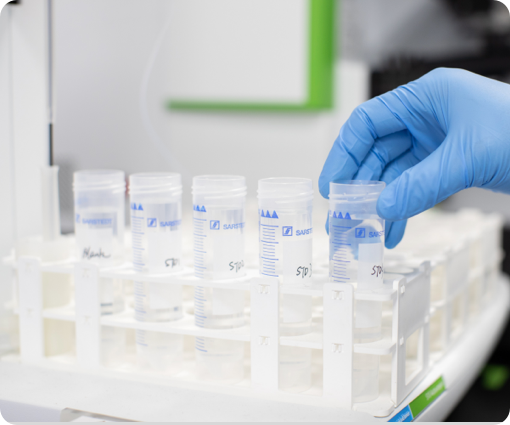
Specifics I’ve lived: in a 2020 contract I supervised near Medellín, replacing mixed-brand vials with a single certified lot cut contamination incidents by half; in a 2018 regulatory submission run in São Paulo, missing a single matrix check cost the client one month. I recall those nights of triage vividly — sleepless, but instructive. I prefer pragmatic fixes that show metrics within 90 days rather than promises without numbers.
To explore targeted testing and support for medical device programs, consider experienced partners who understand both the lab floor and regulatory timetables. For a reliable partner, see Wuxi AppTec Medical device testing — they offer services that align with the practical, measurable approach I describe here.
