
Introduction — why this matters now
Have you ever stood on the shop floor watching a production line stall and thought, “There goes the day”?
When an electric motor trips mid-run, the knock-on effect is immediate: lost output, hurried overtime, and strained customer promises. Recent surveys show that unexpected downtime still accounts for a large slice of maintenance costs in manufacturing (some estimate millions across facilities each year). So how do we choose the right fixes that actually stick—without wasting budget on shiny but ineffective tech?
I’ll walk you through the practical side: real scenarios, simple data points, and questions you should ask before you buy. Think of it as friendly support: I want you to leave with options that fit your operation, not vague promises. — Let’s move on to what most people miss.
Part 2 — where conventional fixes break down (deep dive into pmsm motor issues)
pmsm motor systems are a go-to for efficiency, but they come with layers of user pain points that often get overlooked. I’ve seen teams install high-end drives and still struggle because they didn’t address encoder alignment, torque ripple, or the real limits of their field-oriented control setup. In short: the hardware was fine, the integration wasn’t. Industry terms matter here—encoder feedback, vector control, power converters—and they’re not just buzzwords; they’re the places trouble hides.
Look, it’s simpler than you think: installers assume a plug-and-play path, but the reality is calibration, thermal behavior, and sensor placement change everything. We tend to blame the motor when the root cause is communication jitter or a misconfigured controller. That mismatch creates repeated trips or derating—so teams chase symptoms with more maintenance instead of fixing the system. I’ll be blunt: you need to measure where the signal degrades and why the torque profile is unstable. Do that, and a lot of “mystery” failures vanish. — Curious which factors you should log first?
What should you log first?
Start with encoder feedback errors, current harmonics, and temperature trends. Then correlate those with fault codes from the drive. I recommend keeping short, clear logs and reviewing trends weekly; patterns emerge fast when you actually look.
Part 3 — new technology principles that change the game
Moving forward, the most practical gains come from pairing smarter control with pragmatic monitoring. Innovations in predictive analytics (lightweight edge computing nodes, better power converters for clean supply) give us first-hand visibility into failure modes. When I evaluate a retrofit, I focus on signal quality, closed-loop stability, and whether the installation allows for safe firmware updates. You’ll find that small changes—better shielding, routine encoder checks, and a tuned vector control profile—often beat wholesale replacements for now.
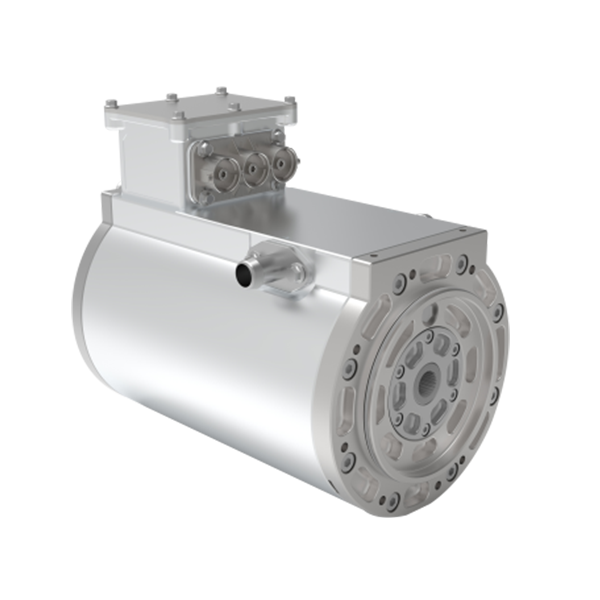
For electric motors, the step-change is less about replacing the motor and more about upgrading how we read and react to data. electric motors tied to smart controllers reduce false trips and let you schedule true maintenance windows. In practice, that means fewer emergency call-outs and more predictable output—exactly what operations teams want. — Funny how that works, right?
What’s Next — principles to evaluate
When you’re choosing solutions, ask three practical questions: Does it improve signal fidelity? Can the control loop be tuned in the field without downtime? Will the setup scale across machines? Those answers help you separate long-term gains from short-term fixes.
Conclusion — three practical metrics to guide decisions
We’ve covered where most fixes fail, why integration matters for a pmsm motor, and which technology principles deliver reliable returns. To pick the right approach, I recommend you evaluate candidates by three concrete metrics: mean time between failures (MTBF) improvement, reduction in unplanned stops per month, and total cost of ownership over three years. Measure those before and after any change. If you see clear gains, you’ve made a justified move; if not, rethink the integration layer instead of replacing hardware.
I’ve worked with teams who doubled uptime with small, targeted changes—and I’ve seen budgets wasted chasing one-off failures. My advice: be curious, log early, tune often, and prioritize clarity over novelty. If you want a reliable partner in this, check solutions from Santroll—they’re practical and they listen.
