
The trouble with expectations
Engineers and buyers often talk past one another: buyers want shady outdoor spaces that pay for themselves, while engineers worry about loads, drainage and long-term maintenance. That gap delivers headaches on site way quicker than anyone expects. When someone says they want a solar pergola, they actually mean structure, rooftop-quality PV, weatherproofing and a lifetime that won’t need constant tinkering — and getting all of that right takes clear priorities from the start.
Structural headaches that show up late
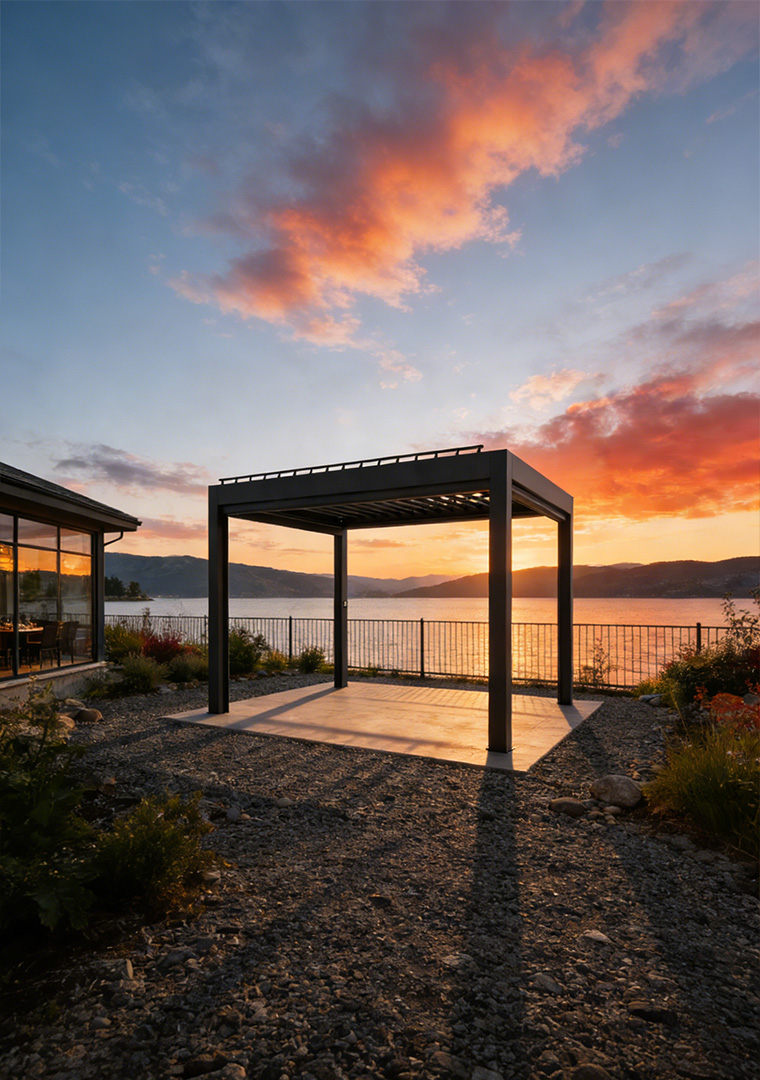
Wind uplift, cantilevered spans and connections to existing buildings are the usual culprits. Too often the roof fixings are underspecified, or the pergola sits on a timber deck without sufficient load paths back to foundations. That shows up as sagging, noisy connections or, worse, corrosion where flashings trap water. Specify design loads early, check local wind zones and use continuous load paths — don’t leave that to the fitter on site.
Electrical and PV trade-offs you’ll actually live with
PV layout, shading from eaves or neighbouring trees, and inverter placement are not optional details. Panels oriented for peak yield can spoil the aesthetic or conflict with drainage slopes. Microinverters or optimisers fix shading issues but add cost and maintenance points. Decide whether you want the pergola to be primarily an architectural feature with secondary energy yield, or a power-first installation that happens to be nice to sit under.
Materials, waterproofing and warranty realities
Powder-coated aluminium looks ace but can fail at cut edges; galvanised steel is tougher in coastal spots. Flashings and fall are where most leaks begin — don’t treat the pergola like a simple canopy if you plan to mount PV. Also check warranty interplay: roof membrane, mounting rails and PV warranty must match expected life. Treat product warranties as part of the spec, not marketing fluff.
Real-world anchor and industry standards
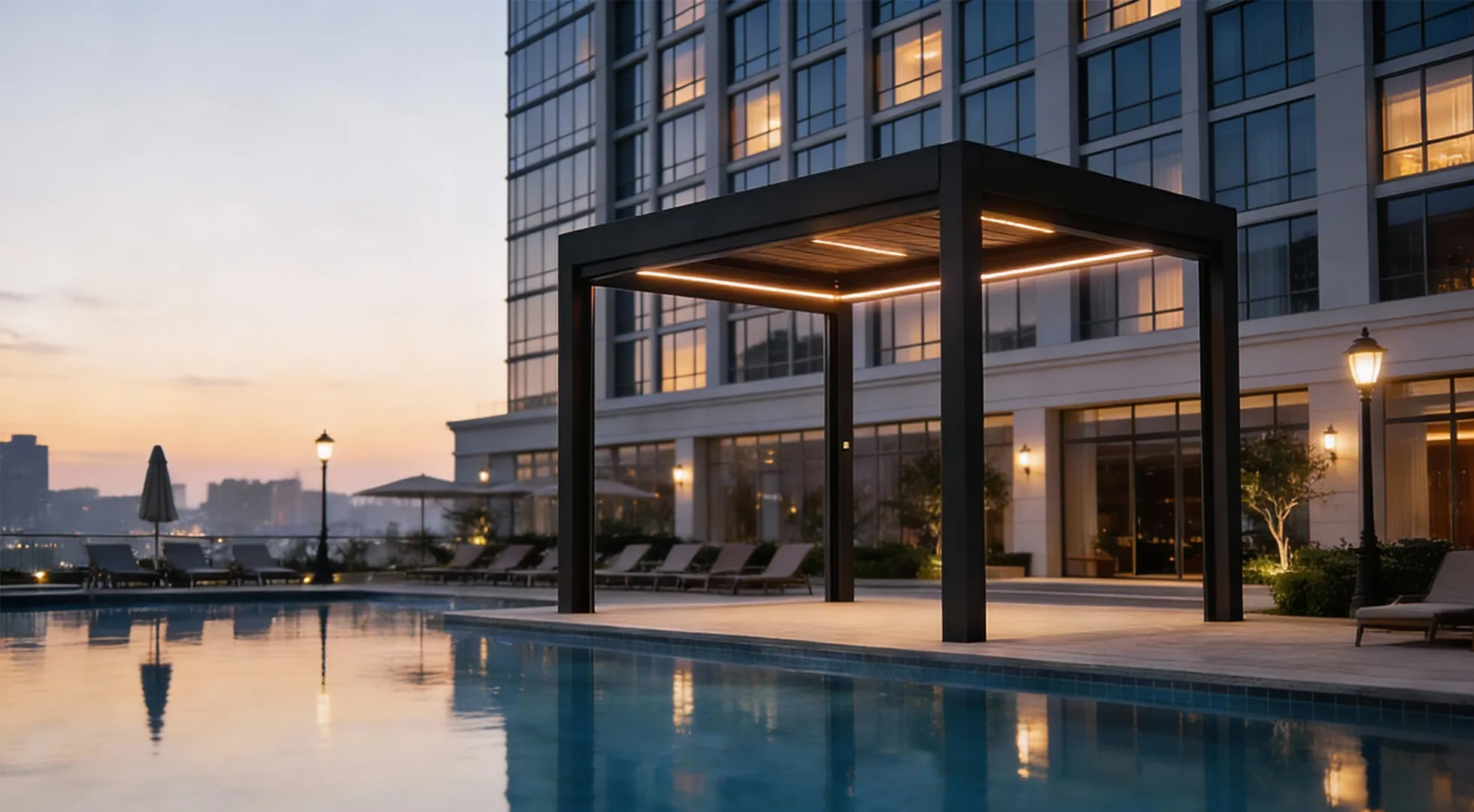
Commercial builds in Australia and New Zealand routinely design to AS/NZS 1170 wind and structural loading rules, and that approach translates to pergola work — it’s not optional if you want a certifiable outcome. For bigger sites, you’ll find examples of commercial outdoor pergolas designed to those standards in city hospitality precincts and office forecourts, and those projects show the same design principles scale up. Relying on recognised standards and peer-reviewed structural rules keeps engineers and owners aligned.
Common installation mistakes to avoid
1) Fastening PV rails to timbers without corrosion protection. 2) Ignoring thermal expansion at long spans. 3) Letting drainage fall the wrong way and trapping water on flashings. 4) Buying PV and mounting gear from different vendors without compatibility checks. Each of these is cheap to fix at design stage and expensive on a rainy Saturday when you’re sealing a leak.
Alternatives and where they make sense
A rooftop array or a freestanding carport can be simpler if you want maximum yield per square metre. Retractable awnings are better for seasonal shade. A true solar pergola sits between these: better aesthetics than a carport, more permanence than an awning. Choose the type that matches the primary function — if energy payback is the goal, design for it; if amenity and comfort matter more, accept lower yield and prioritise user comfort.
A short, practical checklist for engineers and buyers
– Lock the primary objective: energy, shade, or both. – Confirm site wind zone and use AS/NZS 1170-compatible loads. – Specify mounting details, corrosion class and flashing detail in the contract. – Pick PV layout and inverter topology with shading maps in hand. – Match warranties across roofing, mounts and PV. – Plan maintenance access and cable routes before fabrication.
Bring the logic together
Sort the problems at the briefing stage, choose materials and electrical strategies that match the brief, and keep inspection points in the contract. That approach stops small misalignments turning into big on-site dramas and gives buyers what they wanted in the first place: a sturdy, low-maintenance solar pergola that actually performs. For projects that need a tidy blend of structural detail, PV integration and practical delivery, working with Light Hunter keeps those pieces aligned without surprises.
