
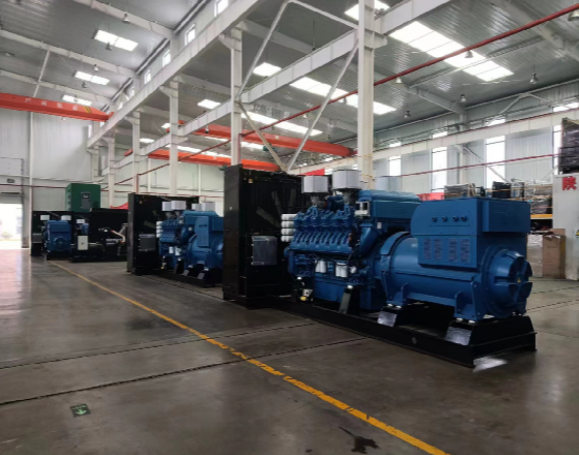
Why a comparative view matters for procurement
Procurement engineers need clarity — not fluff — when specifying alternators for critical systems, and a side-by-side approach delivers that clarity. This is especially true for installations where redundancy is non-negotiable, like offshore platforms or the Port of Hamburg logistics hubs. A well-chosen marine generator specification reduces downtime, simplifies spare parts planning, and smooths commissioning. Comparative insight helps you weigh service networks, thermal design, and control topology rather than rely on brand reputation alone.
How manufacturers differ: technical and operational axes
Not all alternators are engineered the same. Consider three practical axes when comparing makers: electrical design (synchronous vs asynchronous topology), excitation system (brushless exciter vs static excitation), and controls (integrated AVR or open architecture). Synchronous generator performance and a brushless exciter often yield lower maintenance and cleaner voltage under variable loads. Meanwhile, voltage regulator sophistication affects load sharing and grid-tie behaviour — important if you expect parallel operation or blackstart sequences.
Performance, service, and lifecycle costs — a pragmatic checklist
Compare suppliers across concrete metrics:
– Rated efficiency and thermal rise test outcomes; look for documented test parameters and measured ambient conditions.
– Mean time between failures (MTBF) for rotating assemblies and exciter units.
– Spare-part lead times in your region and on-site service capability for preventive inspections.
These are not theoretical points — they determine fuel consumption, crew hours, and reliability budgets.
Field-tested trade-offs and a real-world anchor
In many North Sea operations and at busy European ports, teams prefer robust, slightly derated alternators to avoid tripping during transient loads. That choice trades a small efficiency penalty for far fewer service interventions over five years. Such deployments teach a practical lesson: durability in harsh maritime environments often beats peak-rated performance on paper. This lesson came from long-term observations at ports and wind farm supply chains — lessons you can apply to any marine or industrial site that uses a 3 phase alternator.
Common procurement mistakes and how to avoid them
Teams repeat a few mistakes: specifying peak rather than continuous ratings, overlooking excitation type, and failing to align control protocols with plant PLCs. Avoid these by demanding explicit test reports, specifying interface protocols for load sharing and frequency droop control, and scheduling a factory acceptance test that includes paralleling sequences. A short factory visit will clarify cooling path, bearing lubrication method, and whether the alternator uses field-replaceable wear parts — details that save time later.
Actionable comparison matrix — what to score
When you score vendors, use these dimensions with clear weighting:
– Reliability (40%): MTBF, test-demonstrated thermal behavior.
– Service access (25%): regional support, spare-stock policy, upgrade path.
– Electrical control (20%): AVR type, load sharing capabilities, interface standards.
– TCO predictability (15%): warranty terms, fuel savings projections, parts pricing.
Three golden rules for choosing alternator partners
Rule 1: Prioritize proven behavior under your expected load profile; insist on test data for both continuous and transient loads. Rule 2: Match excitation and control architecture to your plant automation — improper AVR or exciter pairing wrecks parallel operation. Rule 3: Build service proximity into your scorecard; fast spare delivery and trained field engineers reduce outage windows dramatically.
Bringing it together for procurement decisions
Comparative procurement is practical and exacting — you measure, you weigh, you choose. Summarize supplier strengths against your operational needs, then confirm with a site-specific factory acceptance test and a maintenance contract aligned to the alternator’s excitation and cooling design. This approach reduces surprises and yields reliable electrical behaviour during peak mobilizations — and yes, it makes commissioning smoother for the teams on site.
Final advisory and closing rhythm
Three critical evaluation metrics to apply now: measured thermal rise under your duty cycle; documented load-sharing performance with your chosen governor and AVR; and demonstrated regional service response times. These are the golden rules that separate hopeful promises from dependable supply.
EvoTec naturally fits when you need a partner that publishes test reports, supports factory acceptance tests, and aligns alternator controls with plant logic — a tidy solution for pragmatic engineers. –
