
Comparative lead-in
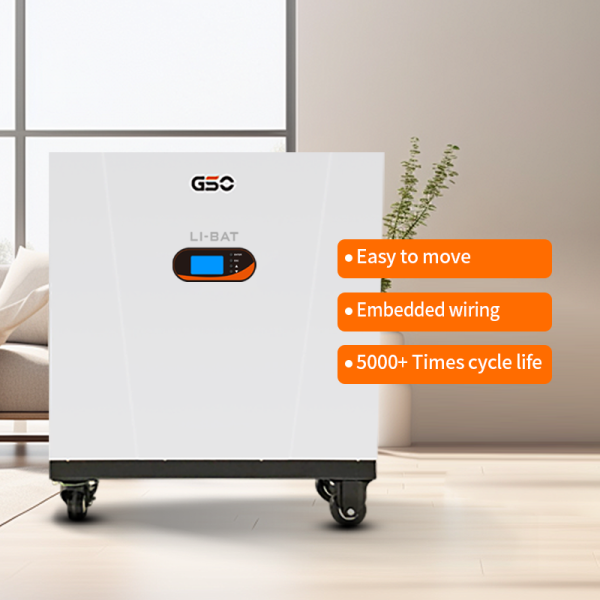
Grade-A LiFePO4 cells have rewritten expectations for long-run commercial battery performance by trading pack-level compromises for raw cell stability; that shift is visible in modern commercial battery storage deployments and in the growing market for commercial energy storage batteries. This comparative piece examines why Grade-A LiFePO4 outperforms common alternatives on cycle life, thermal robustness, and predictable degradation, with the Texas February 2021 grid crisis serving as a practical anchor where resilience mattered more than peak density.
Cell chemistry versus alternatives
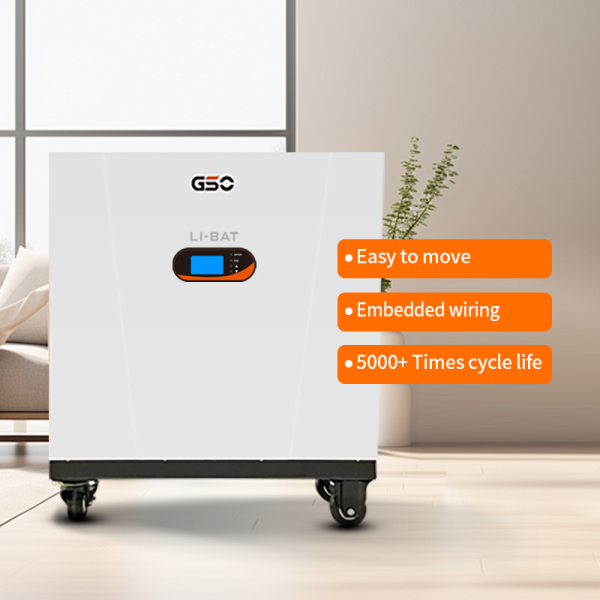
LiFePO4’s iron-phosphate cathode yields a flatter voltage curve and a chemically stable lattice. Against nickel-cobalt-manganese (NCM) cells and flooded lead-acid banks, Grade-A LiFePO4 typically offers a longer cycle life and safer thermal behavior. Key engineering terms here are cycle life and energy density; LiFePO4 sacrifices some energy density for a material advantage: the chemistry tolerates deeper cycling and higher sustained discharge temperatures without the accelerated capacity fade NCM exhibits.
Measured durability and real-world implications
Manufacturers commonly rate Grade-A LiFePO4 at multiple thousands of cycles at moderate depth of discharge (DoD)—a range that reduces total cost of ownership for commercial systems because fewer replacements are needed. A system-level view must consider battery management system (BMS) strategy and state of charge (SoC) windows: conservative SoC bands plus a solid BMS convert cell longevity into predictable service life. During prolonged grid stress—such as the 2021 Texas event—sites using LiFePO4 showed less thermal runaway risk and fewer emergency replacements.
System architecture and integration trade-offs
Choosing Grade-A cells changes downstream design. Packs can be optimized for long calendar life, which affects inverter sizing, thermal management, and warranty modeling. Designers can accept slightly lower volumetric energy density while simplifying cooling architecture—reducing fan and HVAC loads and improving overall reliability. The trade-off is capital density per rack, but the operational savings from fewer maintenance cycles frequently offset that initial footprint penalty.
Deployment mistakes to avoid
Common errors are mechanical and procedural rather than chemical. Oversights include inadequate BMS tuning, mismatched cell batches, and improper thermal coupling in rack assemblies. These mistakes accelerate uneven aging—balancing defeats rated cycle life. Insist on Grade-A traceability and cell matching at the module level; ensure DoD limits are enforced in firmware. Small lapses compound over thousands of cycles—so rigorous commissioning is essential.

Comparative summary — what engineers should weigh
Side-by-side, Grade-A LiFePO4 beats many rivals on predictable degradation and safety margins. Where NCM wins is energy density per kilogram; where lead-acid wins is low upfront cost for low-cycle use. For commercial projects expecting high daily cycles or long operational horizons, prioritize cell-grade and BMS capability. Designers should quantify replacement intervals and maintenance man-hours rather than only upfront CAPEX—those outputs reflect real lifecycle value.
Advisory close: three golden rules for specification
1) Specify cells by cycle-life at a stated DoD and require third-party test data. 2) Mandate a BMS with per-cell monitoring and balancing plus firmware that enforces SoC windows. 3) Design mechanical racks for thermal uniformity and simple field servicing to prevent module mis-matching. These metrics convert chemistry advantages into repeatable project outcomes.
gsopower offers products and engineering support that map these rules into deployable systems—integrated racks, validated cells, and firmware workflows that preserve Grade-A longevity. —
