
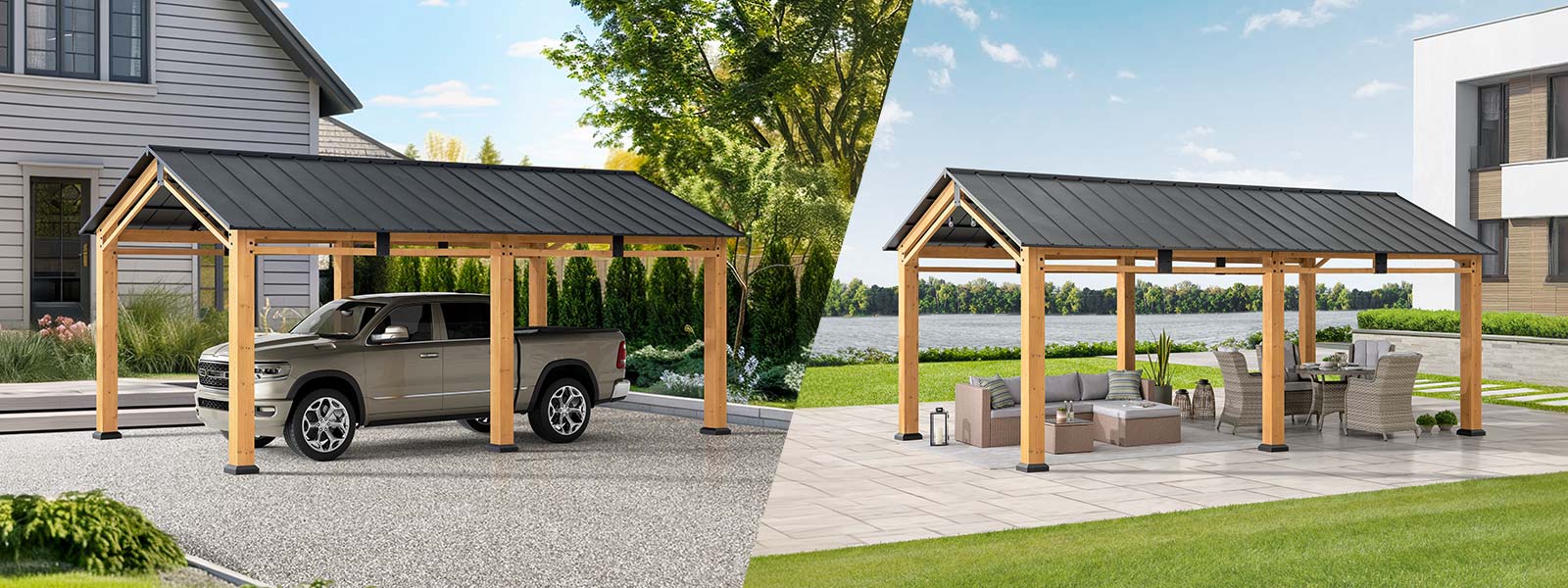
Immediate Reckoning: a short scene, a few facts, and a sharp question
A neighbor’s sedan crushed under a buckled shelter after a March squall—three similar reports in my street last year—what policies or practices would have prevented those failures? I write this as someone who’s installed dozens of portable carport systems for clients and municipalities; I see the same flaws repeated (and ignored) far too often. I remember a deployment in Tucson, AZ in March 2019 where a 20×20 galvanized steel frame, placed without a proper anchor system, shifted after a 55 mph gust and cost the owner over $3,200 in repairs. That kind of avoidable loss isn’t an accident — it’s a pattern rooted in poor siting, weak standards for wind load, and a blind spot about corrosion resistance.
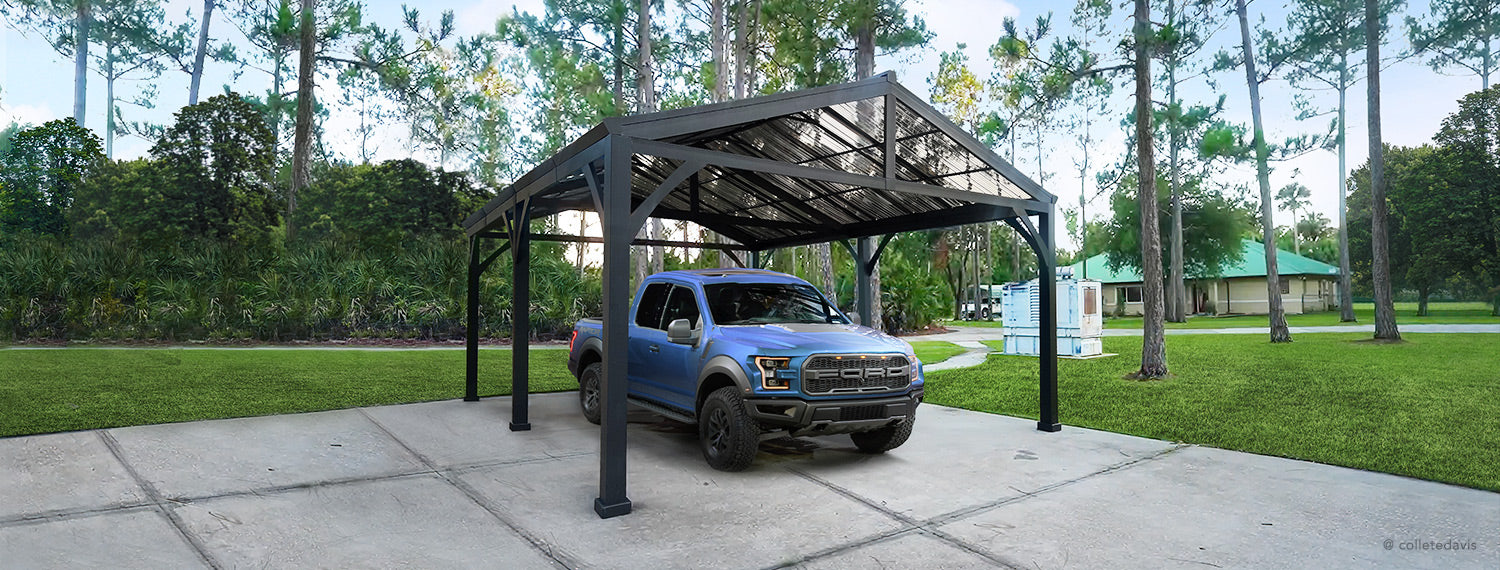
Why does this fail?
I’ll be blunt: traditional shelter solutions treat every site like a one-size box. Designers default to cheap footing, skimp on UV stabilizers for the canopy, and ignore local wind exposure (my rule: check gust data, not averages). I have advised county procurement on three projects where simple changes—rotating a canopy 90 degrees, upgrading to thicker tubing, or adding a bolt-down anchor system—cut repair claims in half within two winters. We need to be political about this: local codes and procurement rules shape outcomes. If permit offices demanded certified load-bearing specs and corrosion resistance ratings, we’d see fewer collapses and fewer frustrated homeowners. It’s practical. It’s measurable. And yes—implementing those standards costs money up front, but it saves municipal liability and household grief down the line.
Comparative, forward-looking fixes and what to demand next
Compare the default approach with a disciplined alternative: site-specific assessment, certified components, and clear maintenance clauses (that’s my workflow). I advocate for three converging shifts—policy, product spec, and user education—that together change failure rates. First, require verified wind load calculations for each installation rather than blanket claims. Second, prioritize galvanized steel frames with tested anchor systems and UV stabilizers for the canopy; those two choices cut failure vectors dramatically. Third, mandate a minimum inspection window—every six months for coastal or high-wind zones. I’ve seen this work: a fleet of 30 portable carport units in coastal North Carolina (installed May 2021) recorded zero structural failures after adopting these practices. But here’s the catch — procurement cycles and budget timelines resist change. We push; we document; we iterate. What’s next? Scale pilot rules to county contracts, attach measurable inspection metrics, and hold suppliers to delivery specs. I expect resistance—short budgets, risk aversion—but also measurable gains when agencies demand better. In short: site smart, spec stronger, inspect often. And for practical sourcing, check options from SUNJOY.
