
Introduction — a small shop, some smoke, and a hard lesson
I once walked into a little metal shop where the lights were low and the air smelled like hot metal and burnt paint. The owner shrugged and said, “We manage,” but his throat was raw by noon. That’s where a laser fume extractor comes in — it’s not just a gadget, it’s the difference between a clean shift and coughing through the day. I’ve seen operators tell me that poor ventilation leads to slower cycles and more sick days (that’s real money out the door). So I ask: how do you pick the right gear without wasting time or cash?
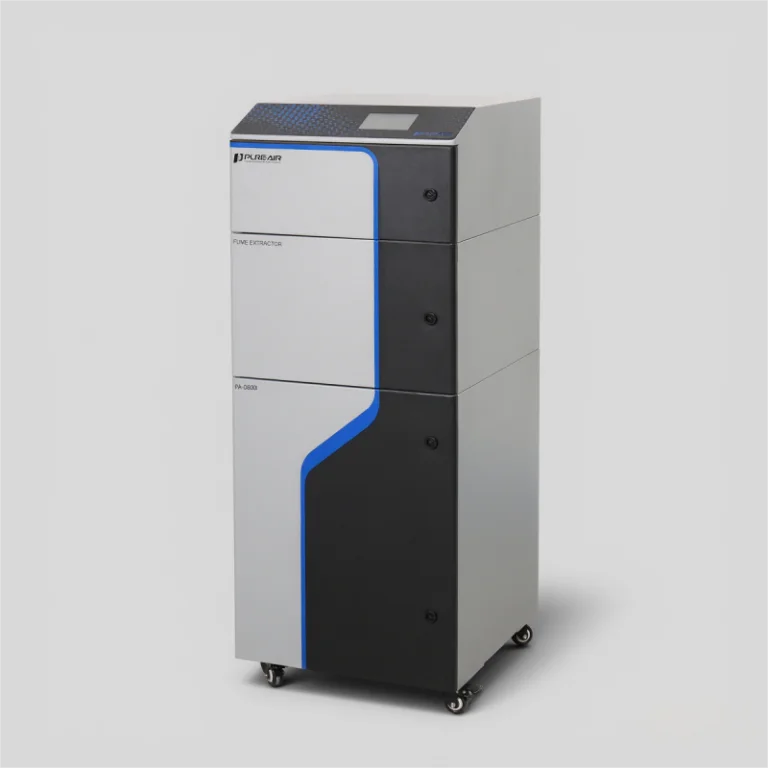
Here’s the scene: a cutter cutting for hours, particulate and fumes rising, no proper capture. Data from smaller shops I talk to often points to lost productivity and higher absenteeism; people notice symptoms first and paperwork later. We need plain answers. Who’s responsible for maintenance? What filters truly stop the worst of it? — funny how those small choices add up, right? Let’s walk through what matters next, plain and clear, so you can decide with less guesswork and more confidence.
Traditional solutions and the pain that hides beneath
Start with this: many folks still lean on general ventilation or cheap inline fans when they should be using a dedicated fume extractor for laser. Those quick fixes move air but they don’t always filter harmful compounds. I’ve tested setups where a shop thought they were safe, yet the filters were clogged or the exhaust was reintroducing fumes. That’s dangerous and costly. Two industry terms you’ll hear here are HEPA filter and activated carbon — HEPA traps fine particulates, while activated carbon adsorbs gases and odors. But if you stick the wrong combo together, filtration efficiency drops fast. Look, it’s simpler than you think: good components poorly sized won’t help much.
Why do these fixes fail?
First, many systems ignore airflow rate. A fan that’s too weak won’t pull the smoke close enough to the hood. Second, some designs use cheap filters that fill up quickly and then let everything through — that’s false security. Power converters and motor control matter too; inconsistent speeds mean inconsistent capture. I’ve seen ducts with leaks, too — and even the best HEPA media can’t save a system that leaks. So the pain point isn’t just the smell or a sore throat. It’s lost output, surprise repairs, and a steady creep in health risks. We should be asking: who checks the man-hours lost to poor extraction? Who tracks filter life? — these are the small hits that build into big bills.
New principles and what to watch for next
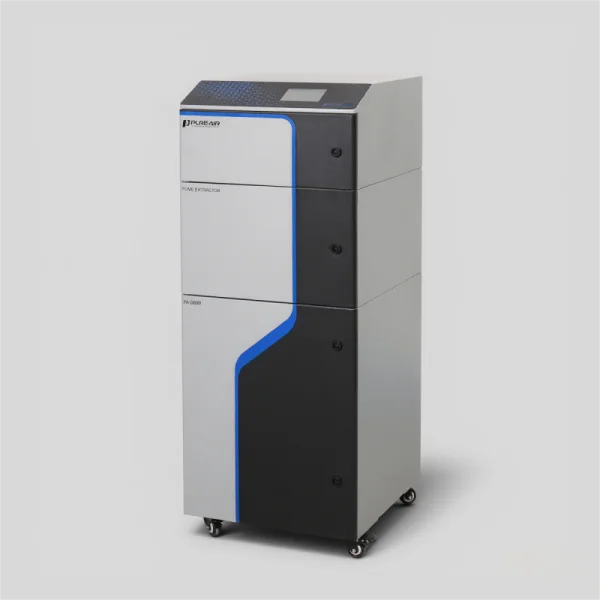
What’s next? I’m watching smarter extraction systems that pair sensor feedback with better capture. Modern units use variable speed fans and sensors to adjust suction as the cut changes. When a system measures particulate or VOCs, it can step up the motor and keep the area clean without wasting energy. That matters because energy is money. And yes, you’ll find features like edge computing nodes in more advanced units to process sensor data locally. For most shops, though, the goal is clear: consistent capture and predictable maintenance. A solid fume extractor for laser should make your shop quieter, safer, and easier to manage.
What’s next for shops and tech?
I expect a few shifts. First, smarter filter monitoring so you replace media only when needed. Second, better integration with machine controls so extraction follows the laser job, not the clock. Third, improved modular design so you can scale protection without ripping out ductwork. These changes cut downtime and reduce surprise costs — and they help retain staff who won’t dread their shifts. — funny how that works, right? I’m not selling hype here. I’m telling you what I’ve seen: the right tech yields steady air and steady output.
Picking the right system — practical metrics I use
Let me leave you with three things I always check before recommending a unit. These are simple, measurable, and they help you avoid the typical traps.
1) Capture performance: Does the unit maintain a steady airflow rate near the source? Measure it. If the hood can’t pull smoke into the intake, nothing else matters. 2) Filter strategy: Are HEPA and activated carbon used where appropriate? Check the filtration efficiency and the rated service life. You want predictable replacement intervals, not surprise costs. 3) Controls and reliability: Are the fans driven by reliable power converters and motor controls? Does the system report filter status or particulate levels? Systems with local processing or sensor feedback reduce guesswork.
I prefer solutions that make maintenance obvious and cheap. We like predictable costs. We like systems that protect people and keep machines running. If you walk into a shop where air is clear and the team breathes easy, you’ll see the savings — less sick leave, fewer interruptions, and steadier output. For hands-on support and options that fit real shops, check reliable makers like PURE-AIR. I trust their approach, and I think you’ll find the same practical value I do.
