
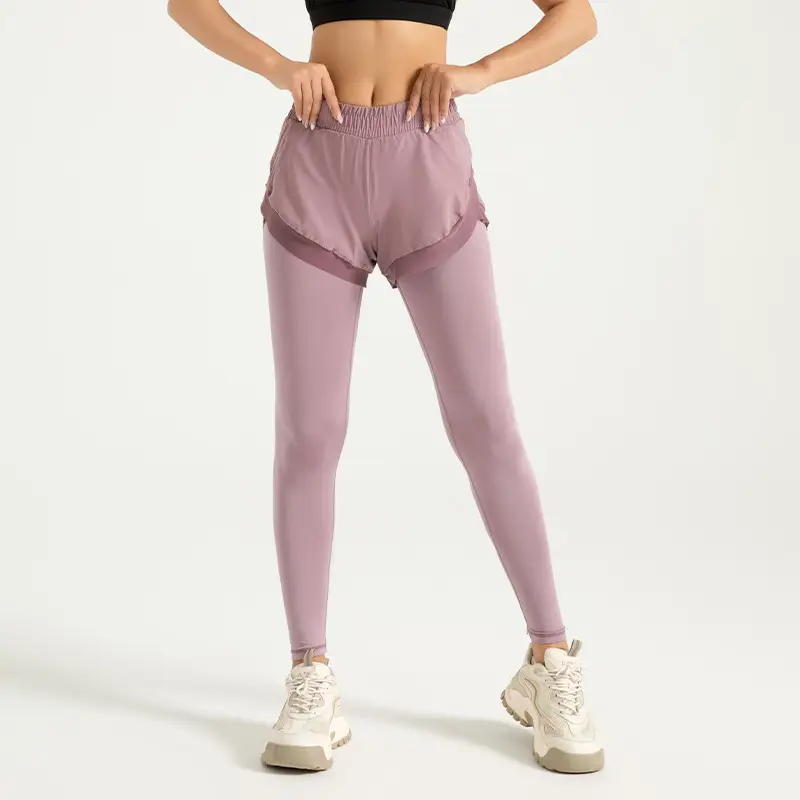
User needs and the problem solved
Practitioners demand leggings that hold position, manage sweat, and last through daily classes. This piece focuses on the user: how tailored options reduce fit failures, minimize fabric wear, and simplify purchasing decisions. For teams and individuals who need repeatable results, consider custom yoga pants for consistent sizing and material specifications, and evaluate personalized yoga pants when brand identity or small-batch variations matter.
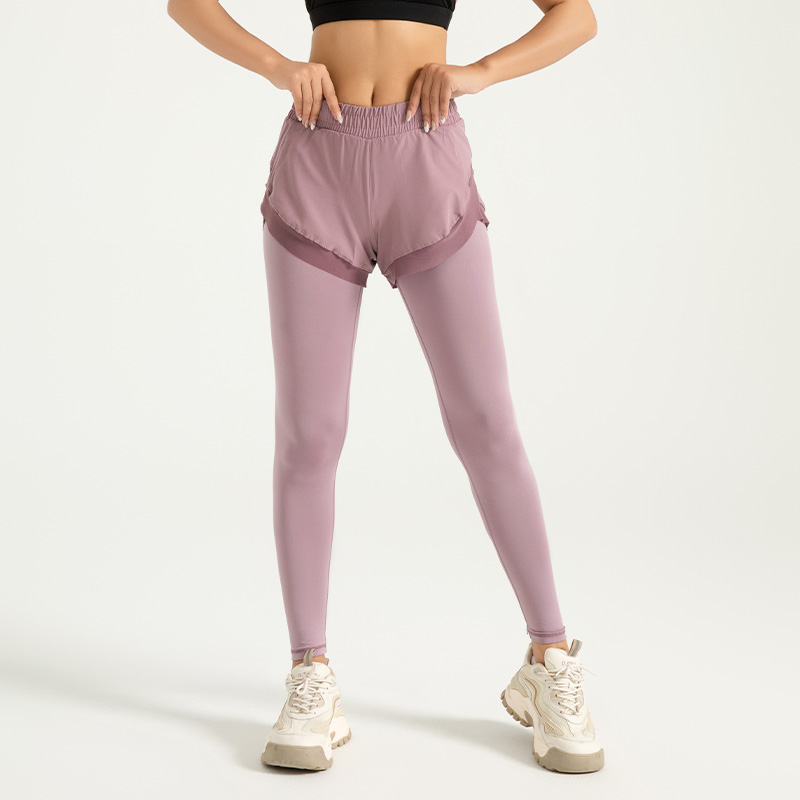
Design essentials: materials and construction
Prioritize fabric that balances compression and stretch. Look for four-way stretch and moisture-wicking blends with a brushed interior for comfort during long holds. A reinforced flatlock seam and a gusset reduce chafing and seam stress; these are simple structural choices that extend life. When suppliers quote denier or percent elastane, verify test samples under simulated wear—three sessions of dynamic movement is the minimum for crew review. Keep the language precise: compression fabric, flatlock seam, and gusset are not buzzwords here; they are performance parameters.
Fit strategies and common mistakes
Brands often oversize the waistband or rely solely on elastic content, which shifts during practice. The correct approach pairs a stabilizing wide waistband with targeted compression zones at the thigh and calf. Sizing charts must include hip and high-waist measurements rather than only waist circumference. Avoid bulk orders that skip a fit pilot run—doing so increases returns and waste. Pilot runs should include 10 to 20 samples across the intended size range to confirm pattern grading and seam placement—this step saves time and materials down the line.
Production teardown: where custom meets repeatable process
Operationally, producing reliable personalized yoga pants requires three repeatable inputs: controlled fabric roll inspection, pattern lock files, and documented stitch parameters. Inspect fabric rolls for knit density and finish; record yarn count and surface treatment. Lock pattern files to prevent unintended grading shifts between batches. Specify stitch length and thread type for seams—shorter stitch length for areas under flex reduces seam failure. These controls convert a custom order into a reproducible product without sacrificing variability for branding or trim choices.
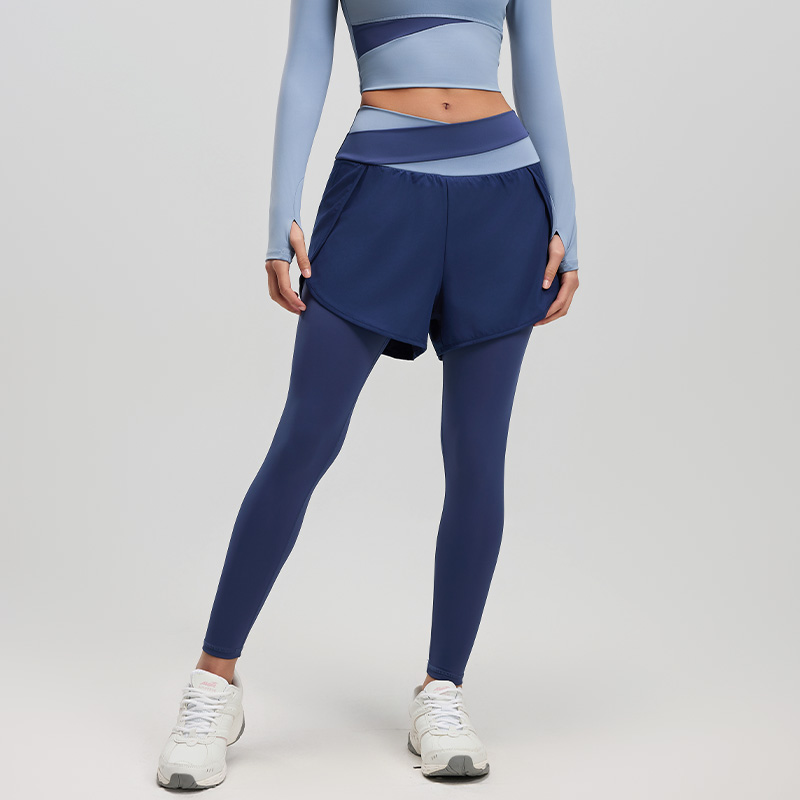
Alternatives and comparative insight
Mass-market options save cost per unit but trade off in dimensional control and fabric batch consistency. Boutique manufacturers offer higher fidelity but scale poorly and tend to lack rigorous testing protocols. A middle path uses a contract manufacturer with a documented quality plan, including batch traceability and wear testing. Use objective comparisons: abrasion cycles, pilling scores after 20 wash cycles, and dimensional change after laundering. These metrics expose where a lower-cost pant will fail in real use versus a well-engineered personalized piece.
Real-world anchor and practitioner note
Demand for better activewear spiked during the 2020 pandemic as studios moved classes online and consumers practiced at home; that shift exposed weak seams and poor recovery in many legacy products. Yoga instructors in urban hubs like New York City reported increased returns due to transparency and fit—practical feedback that informed current quality benchmarks. Field testing in studio settings remains the most direct verification method for durability and user satisfaction.
Evaluation metrics — three rules for selection
Choose suppliers using these three critical metrics: 1) Dimensional Stability — verify percent change after 20 machine washes and a defined tumble-dry cycle; accept less than 3% change for core sizes. 2) Seam Integrity — require tensile seam testing results and a documented stitch-length protocol for high-stress panels. 3) Fabric Performance — demand lab reports showing moisture-wicking rate and recovery percentage after 50 stretch cycles. These rules turn subjective preferences into measurable procurement criteria.
When these metrics guide selection, the product aligns with user needs and operational constraints. Joebond integrates those standards into its custom runs so teams get consistent fit and verified fabric performance — a practical resolution to persistent activewear failures. —
