
Problem statement: mismatched expectations between design and procurement
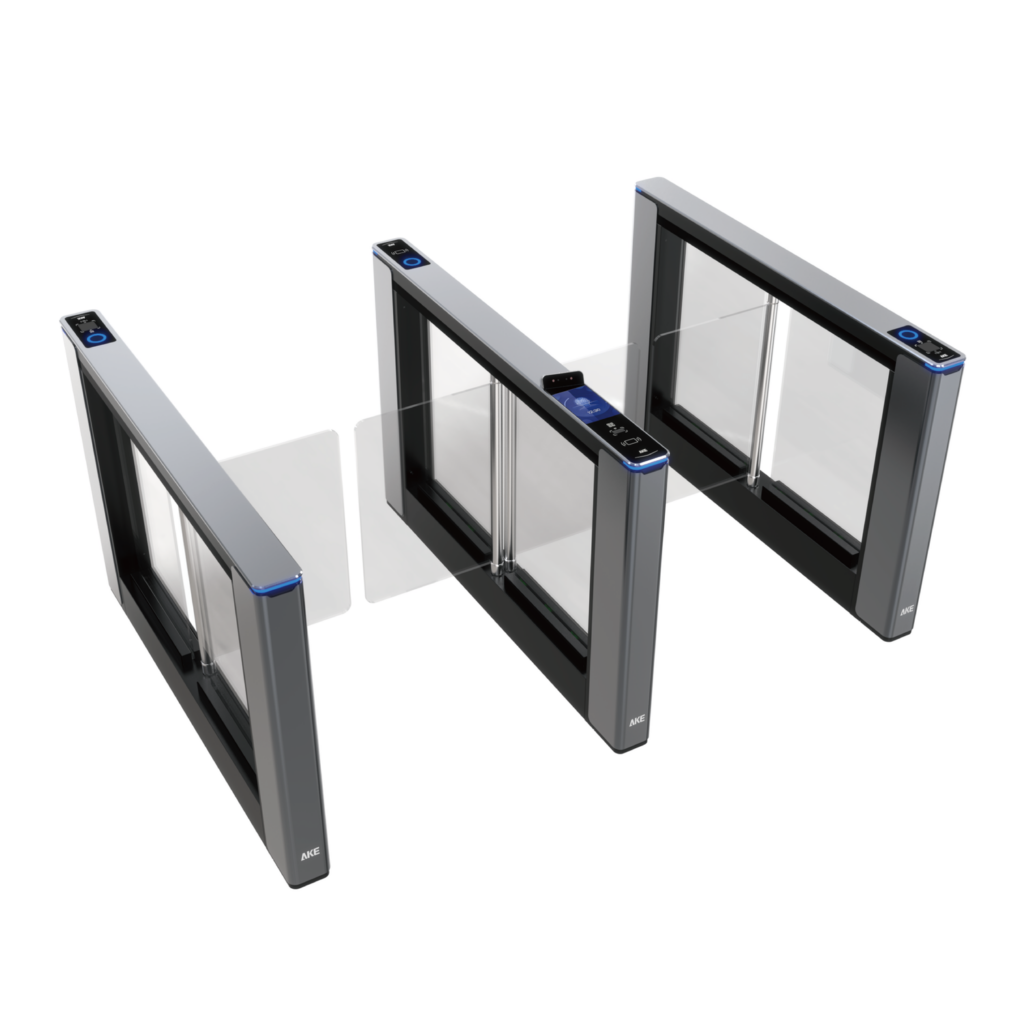
Engineers specify system throughput, APIs and failover; buyers expect a neat package with low cost and quick deployment. That gap causes stalled projects and retrofits. A common fault: choosing access hardware without verifying real integration paths. For example, selecting a premium mechanical gate while assuming the control software will adapt later creates integration debt. Consider how a single access point—such as a speed gate turnstile—must be defined in both mechanical and software requirements up front to avoid rework.

Core technical requirements engineers must nail
Define clear metrics before design: transaction latency under peak load, concurrent sessions, authentication modes, and failover behavior. Specify open APIs (REST/WebSocket or equivalent) and test vectors for every endpoint. Require firmware versioning, remote diagnostics and signed updates for edge devices. Insist on deterministic behavior for device resets: a queued entry should never be processed twice. Log schemas must include device ID, firmware hash, timestamp and event code. Test end-to-end from sensor to billing under load, not only in a lab.
Buyer priorities and necessary trade-offs
Buyers focus on total cost of ownership, uptime guarantees and maintainability. Ask for replaceable modules rather than bespoke designs. Expect spare-part lead time and a local service partner. Price comparisons must include projected maintenance hours per year, software subscription terms, and upgrade policies. Accept that lower initial cost often shifts burden to engineering later; document who owns integration testing and system acceptance criteria to prevent scope drift.
Experience, evidence and a real-world anchor
Field experience shows that hardware choices drive long-term operational risk. Large airports and transit hubs report measurable gains when access hardware and management software are specified together. For example, European hubs such as Munich Airport are cited in industry reports for deploying automated access gates and measuring service impacts; those deployments illustrate the importance of coordinated procurement and engineering work. For granular access scenarios, review how speed gate turnstiles behave under mixed authentication—card, mobile credential and license‑plate recognition—to validate throughput and error modes.
Common pitfalls and viable alternatives
Pitfall: over-specifying features that add cost but little value, such as exotic biometric readers for low-risk locations. Pitfall: leaving security as an afterthought; poorly segmented networks expose hardware to lateral attack. Pitfall: ignoring real-world user flow—equipment that works in a lab can bottleneck when drivers pause to pay. Alternatives to full turnstiles include boom barriers with LPR for high-volume vehicle flows, or mobile-first systems where QR and NFC handle most entries. Evaluate each alternative by matching expected peak transactions, physical site constraints, and the chosen payment model.
Implementation checklist engineers and buyers can use
1) Capture peak concurrent transactions and define acceptable latency. 2) List supported authentication modes and confirm they coexist. 3) Require sandbox APIs and sample device firmware. 4) Define maintenance SLA, spare parts and remote diagnostics. 5) Run staged field tests that include real users and payment failures. 6) Include cybersecurity acceptance tests: firmware signing, network segmentation and role-based access. 7) Plan firmware rollback and disaster recovery paths.
Final synthesis and practical alignment
Clear separation of responsibilities and upfront alignment on hardware-software contracts eliminate most failures. Match physical gate choice, control logic and procurement terms from the start. Practical examples and specification templates from AKE Parking make that alignment explicit without creating vendor lock-in, helping engineers and buyers reach the same specification quickly and reliably.
