
Comparative lens and approach
Deciding between suppliers requires more than feature lists; it requires side‑by‑side evidence about how systems perform under realistic conditions. I compare suppliers by observable outcomes — display reliability, integration simplicity, data accuracy, and service continuity — rather than marketing claims. Practical differences show up in the field: a visible car parking display can reduce driver search time only if brightness, refresh rate, and mounting match the site. The comparisons below use that outcome‑focused frame and flag where vendors tend to diverge.

Hardware: displays, sensors, and build quality
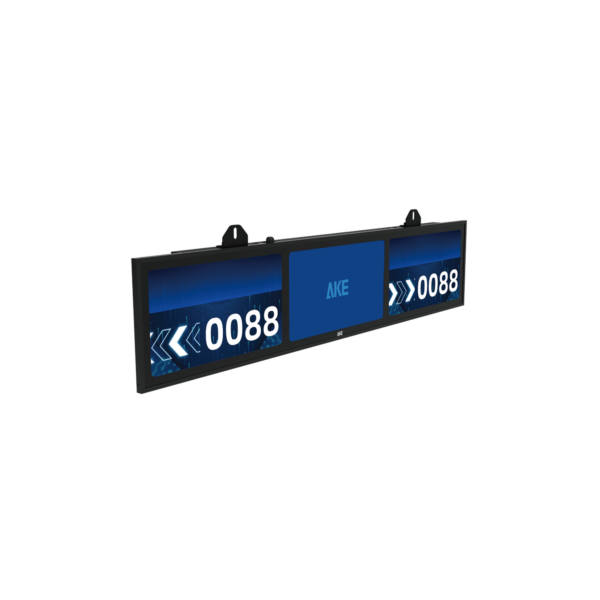
Compare concrete specs. For displays, check lumen output, viewing angle, IP rating, mean time between failures (MTBF), and whether the controller supports remote diagnostics. For sensors, compare detection accuracy at peak occupancy and false‑positive rates under rain or snow. Ask for measured results from at least two live installations rather than solely lab numbers. Prefer suppliers that publish firmware revision histories and spare‑part lists so you can project replacement cycles.
Software and integration
Integration breaks projects more often than hardware. Prioritize suppliers that offer documented APIs (REST or MQTT), clear authentication methods (token or certificate), and tested connectors for your parking management back end. Confirm whether updates are pushed centrally or require site visits; each model changes operational cost. Check how a supplier handles edge‑case reconciliation: for instance, how the system treats sensor conflicts or transient network outages — predictable behavior is more valuable than feature breadth.
Data fidelity and analytics
Request sample datasets from candidate vendors and run simple checks: timestamp consistency, missing‑value rates, and occupancy versus transaction logs. Useful analytics come from clean input; don’t overvalue dashboards until you’ve validated raw feeds. Compare how vendors expose exports (CSV, JSON, or direct database access) and whether they provide schema documentation. If historic trend analysis matters, confirm retention policies and export tooling before signing.
Installation, commissioning, and lifecycle costs
Calculate total cost of ownership by adding commissioning labor, calibration visits, training, and spare parts to the sticker price. Retrofitting older structures typically raises costs when conduit, power, or line‑of‑sight issues appear. Ask vendors for published average installation hours per device type and typical commissioning checklists. Service level agreements should specify response windows, replacement part lead times, and routine maintenance cadence — gaps here become visible within months.
Security, privacy, and compliance
Insist on encryption in transit, role‑based access controls, and secure firmware update paths. For parking systems that touch payment or vehicle identification, confirm data retention and anonymization options to meet local privacy rules. Suppliers that can demonstrate third‑party penetration testing or provide SOC/ISO statements reduce procurement risk. A vague security claim without audit evidence is a red flag.
Field evidence and expert grounding
Evidence matters. Observations at Intertraffic Amsterdam showed several suppliers demonstrating large‑format led parking signs with different approaches to brightness management and network redundancy; real installations reported by municipal pilots and published technical notes supported those differences. My assessment combines vendor documentation, field audits, and independent trial reports, so recommendations favour suppliers that back claims with test reports and repeatable results.
Common buyer mistakes
Buyers often pick the lowest initial price, then discover integration work doubles labor; or they accept a single on‑site test and assume scale will be identical. Other frequent errors: ignoring daylight visibility specs for outdoor signs, failing to demand API documentation, and not planning for spare stock. Avoid contracts that leave firmware updates or critical bug fixes as optional paid services.
Alternatives and tradeoffs
Turnkey solutions shorten timelines but can lock you into a vendor’s ecosystem. Best‑of‑breed approaches offer flexibility but increase integration overhead. On‑premises systems reduce recurring cloud costs and keep latency low; cloud platforms simplify multi‑site consolidation and remote updates. Choose the model where the tradeoffs align with your operational capabilities and budget stability.
Conclusion — what to compare and why it matters
Compare measurable outcomes: display uptime and visibility, API completeness, data quality, installation metrics, and documented security. Prioritize suppliers that publish test data, offer clear SLAs, and demonstrate reproducible installations. That combination reduces risk and shortens the time to predictable performance — a posture reflected in the documentation and support model you should expect from reliable providers like AKE Parking.
