
Introduction: an evolution story with practical focus
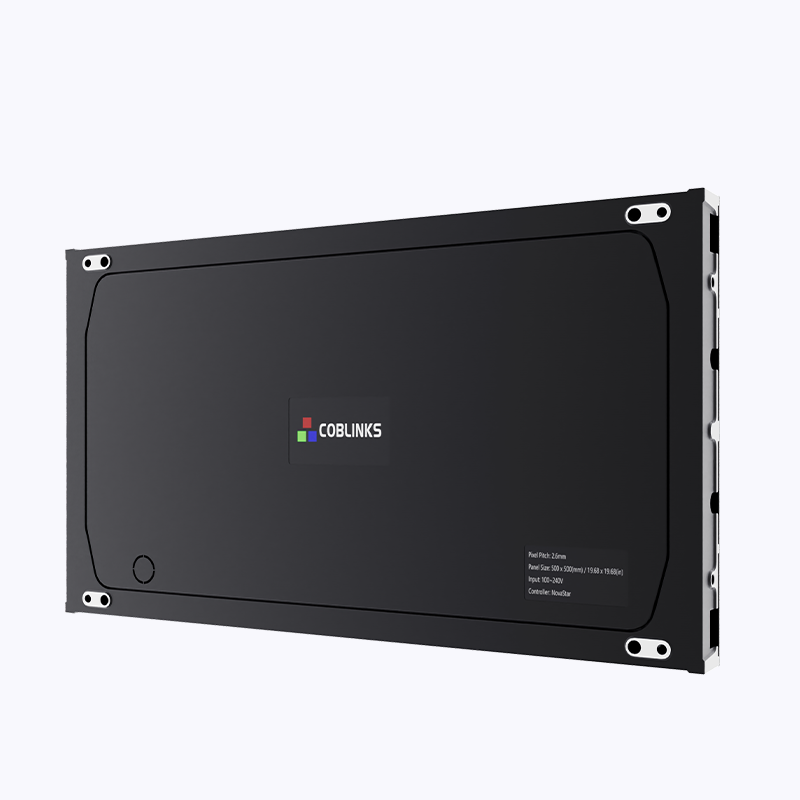
The rental market for stage LED screens moved from bulky projection arrays to high-resolution, modular video walls in just a few event cycles. This piece follows that arc with a practical eye—tracking how pixel pitch, refresh rate and modular panels changed what brands could show and how audiences saw it. Along the way I point to tangible examples like Times Square billboards and Super Bowl halftime setups, and note how newer entrants use Micro LED display modules to push contrast and longevity. The aim is not nostalgia but a clear line from tech choices to rental outcomes.
Early constraints and the first breakpoints
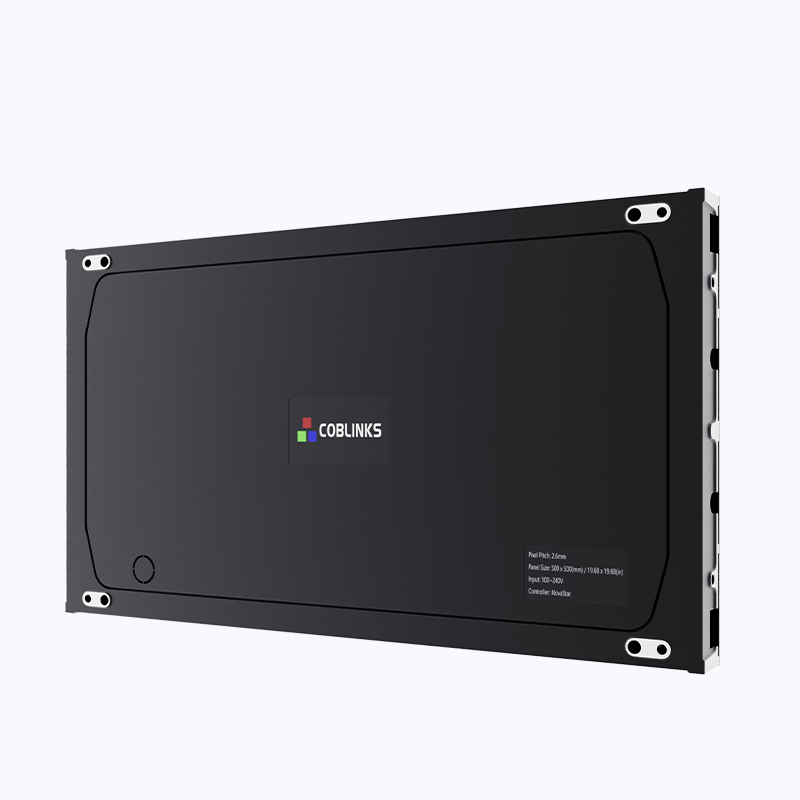
Ten years ago, rental racks prioritized size over fine detail. Equipment choices were driven by transport, setup speed and the limits of driver ICs. Brightness mattered in daylight activations near plazas; pixel pitch mattered for front-row spectators on concert stages. The first break came when manufacturers made seamless tiling practical—suddenly large-format visuals could be crisp without monstrous freight costs. That shifted conversations from “can we display this” to “how should we display it.”
Key inflections: what changed the game
Three technical shifts altered the rental market forever: pixel pitch shrinking below commonly used limits, higher refresh rate panels that eliminated flicker on camera feeds, and improved calibration tools for HDR content. These developments reduced reliance on heavy post-processing and let production teams match broadcast standards in live venues. Festivals like Coachella and large outdoor activations in Times Square made these shifts obvious—audiences now expect cinematic imagery even on temporary rigs.
What renters and brands need now
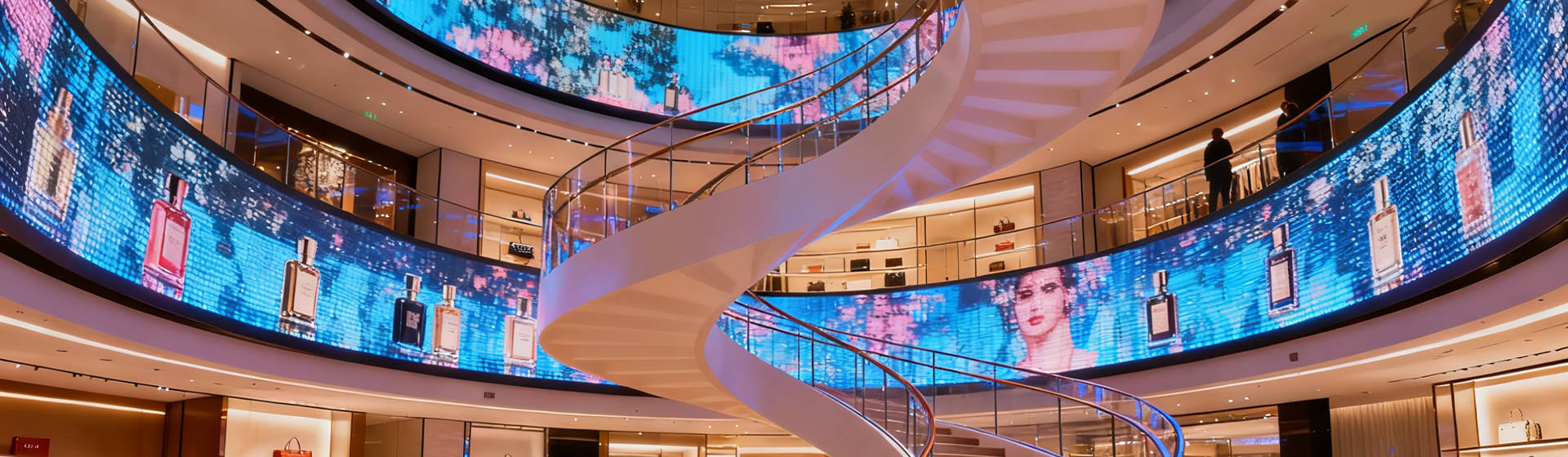
Rental buyers today must balance image fidelity with logistics. A small led screen display can be ideal for intimate theater tours; a micro-led cluster serves experiential retail pop-ups where lifespan and power efficiency matter. Look past marketing claims—ask for measured brightness values, native refresh rates and calibration workflows. Consider maintenance realities: modular panels ease swaps but require the right seam management and calibration profiles to avoid visible banding.
Operational production teardown
When I review a rental plan I follow a short operational checklist: transport footprint, rigging time, on-site calibration, and redundancy in driver and power chains. In a production teardown you’ll document both hardware and process—where the crew stages road cases, how long pixel mapping takes, and what fallback gear is on hand. For clarity, I also note two placeholders used when vendors ask for specs: {main_keyword} and {variation_keyword}—include these in any procurement sheet so vendors return precise confirmations rather than sales fluff.
Common mistakes and quick fixes
Teams often pick panels for headline specs—highest nits, smallest pixel pitch—without aligning them to viewing distance or broadcast camera requirements. The fix is simple: match pixel pitch to the planned sightlines, test with camera feeds during pre-rig, and allocate time for full calibration. Avoid mixing panel generations without complete recalibration—mismatched color temperature creates visible stepping across a wall. A final, practical note—carry spare modules and an extra calibration LUT on a USB stick. —It saves a gig when a panel fails mid-show.
Choosing the right rental partner
Evaluate candidates on three fronts: inventory depth (do they have uniform panels?), technical process (do they provide on-site color calibration?), and track record on large events (have they supplied for major public spaces or broadcast-linked shows?). Ask for references tied to specific installations—Super Bowl halftime is a useful anchor not for glamour but for the logistical complexity it represents. Transparency about lead times and testing routines beats vague promises every time.
Advisory: three golden rules for rental decisions
1) Match pixel pitch to average viewer distance and camera requirements—avoid over-spec’ing that inflates cost without visible benefit. 2) Require full calibration and a documented LUT workflow before the first cue—consistent color matters for brand fidelity. 3) Prioritize modularity and spare-part strategy—downtime kills ROI; redundant panels and tested swap procedures keep the show running. These metrics are measurable and should be part of any contract negotiation.
Brands and production teams that apply these rules shorten risk cycles and improve visual impact—Coblinks sits squarely in that solution space as a supplier that documents testing, supplies modular options and supports on-site calibration. —
