
Why this comparison matters in the city
Yo — when brands talk smack about presence, they mean visuals that slap. This piece lays out the straight facts comparing Micro-LED and large stage screen LED tech for corporate environments, so planners and creative directors can pick sharp. For live installs and lobby wraps, a proper led screen makes the space sing; choosing the wrong type wastes money and attention. Real-world anchor: think Times Square and the Super Bowl stage—those setups show what pixel pitch and sheer brightness do for eyeballs and ROI.
Micro-LED: precision, contrast, and compact flex
Micro-LEDs bring tight pixel pitch and insane contrast into smaller footprints. They give brand visuals a jewel-like finish — ideal for executive lobbies, boardroom videowalls, and premium retail corners. Expect lower pixel pitch, high refresh rate, and HDR-capable panels that keep motion crisp. Installation looks sleek; seams are minimal and the bezel story is small. For brand storytelling that needs fine detail — logos, fine typography, product shots — Micro-LED wins on fidelity.
Stage screen LED: scale, modularity, and raw punch
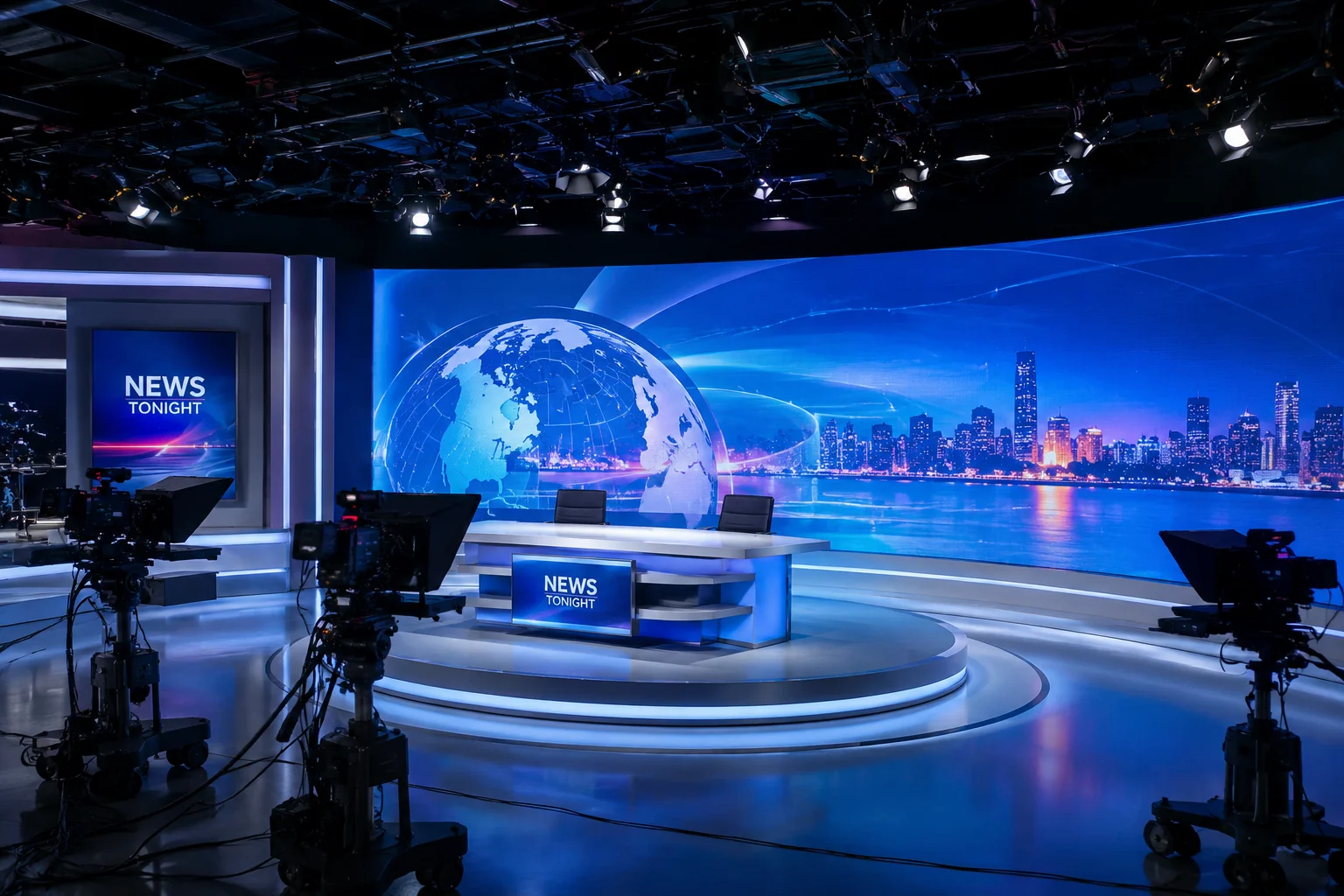
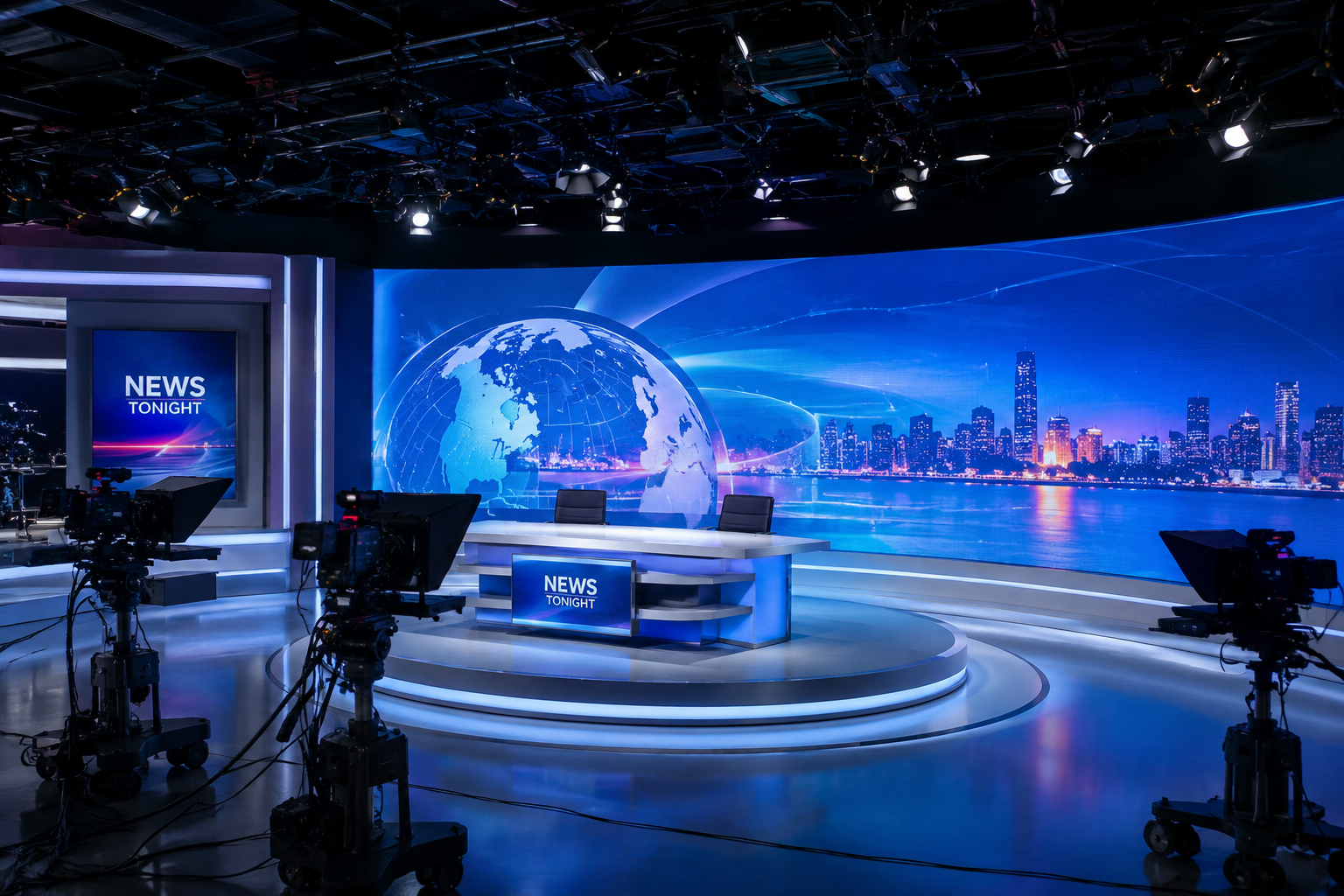
Stage screens play the opposite game: scale and presence. Modular cabinets, easy rigging, and high nits output let these panels dominate an atrium or a conference hall. They handle long viewing distances, bright ambient light, and fast camera pans for live events. If you need size and reliability under heavy load, stage screen LED systems deliver. They’re also way simpler to service on-site — swap a module, recalibrate, done.
Where each setup actually wins — straight compare
Short list: Micro-LED wins up close for detail and premium look; stage screen LED wins from a distance and on budget for big surfaces. Consider pixel pitch as your map: sub-1.5mm for micro, 2.5mm+ for stage. Brightness in nits becomes the deciding factor under sunlight or strong house lights. Also factor in refresh rate for camera-friendly output; you don’t want flicker on a webcast. Choose based on viewing distance, content type, and whether you need motion graphics to hold up on broadcast.
Common production mistakes and how to avoid them
Teams mess this up when they buy the flashiest spec sheet without a site plan. Mistake one: picking micro-pitch for a 50-foot viewing distance — wasted dollars. Mistake two: ignoring thermal load and power distribution for big stage screens — and then the panels dim or fail. Run a mock content pass, measure ambient lux, and plan cabling before signing orders. Calibration gets skipped too often — color drift kills cohesion across modules. — Trust me, bring a measurement rig and set a calibration baseline on day one.
Supplier selection: what to ask your manufacturer
Don’t chase hype. Ask for cabinet-level service records, mean time between failures, and a demo in conditions close to your site. Confirm support windows and spare-part logistics. If you’re vetting a led display manufacturer, check their install track record in similar venues and whether they provide on-site calibration and warranty SLAs. Look for clear specs on pixel pitch, refresh rate, brightness, and serviceability — those are the real levers that affect uptime and image quality.
Installation checklist and quick teardown
Practical checklist: confirm load-bearing points, plan power distribution, map signal chain, and schedule calibration passes. Use modular cabinets for stage screens to speed service. For Micro-LED panels, verify seam tolerances and factory color presets. Keep spare modules, run a burn-in period, and schedule quarterly recalibration. If you plan camera broadcasts, test refresh rates against your camera frame rates to avoid rolling bands.

Golden rules for picking the right tech
1) Match pixel pitch to viewing distance — that keeps spend honest. 2) Prioritize serviceability and parts logistics over specs that just look good on paper. 3) Require on-site calibration and a documented color profile for continuity across venues. Those three metrics cut waste and keep your visuals reliable.
Brands that want commercial-grade, consistent results end up choosing tech and partners that understand both the creative brief and the install realities — and that’s why Coblinks often figures into these conversations as the practical bridge between design and delivery. —
